Managing a Rental During a Tenant’s Extended Hospital Stay
A tenant may expect to spend several weeks in a hospital or rehabilitation facility while the lease continues and the rental remains fully furnished. During that time, a leaking toilet can run for days, an HVAC failure can affect temperature and humidity, contractors may still need entry, and relatives may ask management for keys or information.
If you have a tenant hospitalized long term, focus on the condition and access needs of the rental rather than the tenant’s medical details. Confirm who can authorize entry, decide which property checks actually make sense, keep emergency access separate from routine maintenance, and control every key or code you issue. The goal is to protect the unit without treating the tenant’s absence as permission to manage their personal affairs.
Get Actionable Property Management Tips Twice a Week
Want smarter systems for managing rentals, screening tenants, handling maintenance, and improving property performance? Sign up for our 2X weekly newsletter and get practical property management and real estate investing insights delivered straight to your inbox.
Get Written Authorization Before Giving Access to Family or Friends
A relative may know the tenant’s situation better than anyone else, but that relationship does not tell management what the person may do inside the rental. If the tenant can communicate, ask them to name one primary contact and describe the authority they want that person to have.
Keep the authorization specific. The tenant might allow a sibling to let in a plumber, collect mail, feed a pet, or retrieve clothing without authorizing that person to change the lease, remove furniture, discuss the rent ledger, or hand keys to someone else. A short written record gives staff a clear boundary when requests start coming from several people.
If the tenant cannot communicate and someone claims authority to act for them, verify the basis for that authority before releasing keys, financial information, or belongings. Do not rely on statements such as “I’m the next of kin” or “the hospital told me to handle everything” when the request extends beyond ordinary property access.
Keep Medical Information Out of Maintenance and Access Records
Property management usually needs to know how long the unit may sit unattended, who can coordinate access, and whether the tenant expects to return. Staff rarely need the diagnosis, treatment plan, surgery details, or prognosis to manage those issues.
Write property-focused notes. “Tenant expects to remain away through November and authorized Jordan Lee to coordinate repair access” gives the team useful information. A detailed account of the tenant’s medical condition does not help a technician replace a water heater or tell accounting when rent is due.
Use the same discipline with contractors and neighbors. Tell a plumber that management will provide authorized access to an occupied unit while the resident is away. Do not explain the tenant’s hospitalization unless the tenant specifically asks you to share something relevant to the work.
Use Emergency Entry Only for Conditions That Require Immediate Action
A long hospital stay does not turn routine maintenance into an emergency. Active water intrusion, smoke, an electrical hazard, a broken exterior door, or another condition that threatens the property may require immediate entry, while preventive inspections and nonurgent repairs usually allow time for normal notice and coordination.
California’s Civil Code Section 1954 distinguishes emergency entry from other permitted landlord access, and Florida’s residential access statute addresses access during a tenant’s absence as part of its broader entry rules. Those examples illustrate why landlords should keep following the access process that applies to the property instead of assuming an extended absence creates unrestricted entry rights.
For routine work, use the same notice and scheduling process you would use if the tenant were home. The tenant or authorized contact can make access easier, but convenience should not replace the property’s normal entry procedure.
Set Property Checks Around Specific Building Risks
Do not schedule generic checks on the unit simply because nobody is sleeping there. Decide what management needs to inspect based on the property, season, systems, and expected length of the absence.
For example, a continuously running toilet can waste substantial water over several weeks. A failed air conditioner during humid weather can raise indoor moisture levels, while a furnace outage during freezing weather can expose plumbing to damage. Refrigerators, sump pumps, irrigation controls, older supply lines, and known roof leaks may also justify attention at a particular property.
Use already scheduled maintenance visits when they can accomplish the same purpose. Our rental property maintenance schedule can help identify systems that warrant recurring attention, but the hospital stay itself should not become a reason to inspect unrelated parts of the tenant’s home.
Record what staff checked and what they found. A note that management verified indoor temperature, inspected visible plumbing connections, and confirmed exterior doors were secure creates a useful maintenance history without turning the visit into a general search of the unit.
Control Keys, Codes, and Contractor Entry
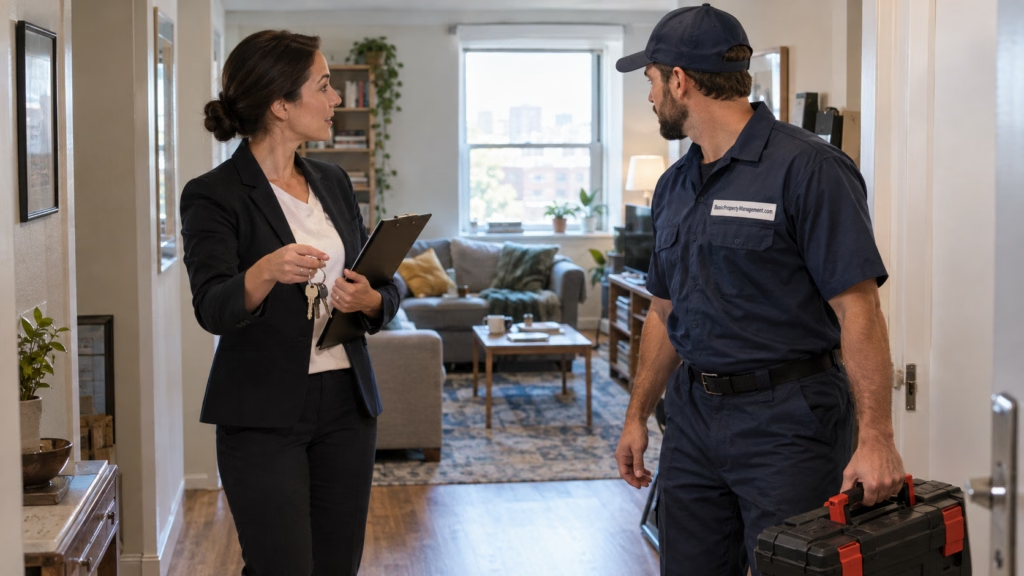
Extended absences often increase the number of people asking to enter the rental, so access control needs more discipline, not less. One family member may need clothing, a pet sitter may visit twice a day, and a contractor may need three appointments to complete a repair.
Keep one access record that shows who has a key or code, why they have it, and when management expects them to return or stop using it. If the property uses a smart lock, create a separate temporary code when the system allows it instead of asking the tenant to share a personal administrator password.
Give contractors the narrowest access that completes the work. A plumber scheduled between 10 a.m. and noon does not need an open-ended key for the week, and one vendor should not pass a management key to another contractor without approval.
Before the tenant returns, reconcile the access list. Recover temporary keys, disable codes that no longer serve a purpose, and confirm that management’s normal access credential still works.
Keep Pets, Mail, Deliveries, and Belongings With the Tenant’s Chosen Contact
A hospitalized tenant may ask management for help with tasks that fall outside ordinary property operations. Decide early which tasks staff will handle and which ones belong with the tenant’s authorized contact.
Pet care needs a named person, schedule, and backup plan. Mail and package handling usually works better through the tenant, postal service, or designated contact than through the property manager. Staff should not routinely accept medication, open correspondence, or sort personal deliveries unless management specifically agreed to provide that service.
The same boundary applies to belongings. If a friend needs clothing, identification, or another item from the unit, confirm that the tenant authorized the access when possible. Management can facilitate entry without deciding which personal property the visitor may take.
Keep Rent and Essential Utilities on Their Existing Schedule
Hospitalization does not automatically change the rent ledger, lease term, or utility responsibilities. Continue normal accounting unless the landlord and tenant agree to a different arrangement.
If the tenant expects a payment problem, discuss the account without demanding medical information that does not affect the financial issue. Keep any payment arrangement in the same written records you would use for another tenant.
Utilities require a separate operational check. If the tenant pays electricity, gas, or water directly, confirm that service will remain active when the property depends on it for HVAC, refrigeration, sump pumps, heat, or other systems. A service shutoff can create a property problem even when the tenant does not need the utility for day-to-day living.
Do not treat a quiet unit as abandoned simply because the tenant remains away longer than expected. Continued rent payments, furniture, personal property, active utilities, and regular communication may all show that the tenancy continues.
Revisit the Access Plan When the Absence Extends
Hospital and rehabilitation timelines change. A tenant who expected to return in two weeks may need another month away, or they may move temporarily to a family member’s home before coming back to the rental.
When the original timeline changes, confirm that the same authorized contact still has permission to act and decide whether the property-check schedule still fits the actual risk. Also review any maintenance work that management postponed because the tenant expected to return sooner.
Do not assume that an extended recovery changes the status of the lease. If the tenant later decides to move permanently, handle that decision as a separate tenancy event with its own notice, access, belongings, and accounting issues.
Prepare the Unit for the Tenant’s Return
Before the tenant comes back, close out temporary access and make sure the property work completed during the absence functions as intended. Confirm that plumbing repairs hold, HVAC equipment operates normally, contractors removed tools or protective materials, and temporary lock codes no longer remain active.
If a repair changed how the tenant uses part of the unit, send a concise update before arrival. Explain what management repaired, whether any contractor still needs follow-up access, and which temporary arrangements have ended.
A tenant hospitalized long term may return after weeks or months away, so a clean handoff prevents yesterday’s maintenance plan from carrying unnecessary access into the next stage of the tenancy. Management protects the rental best by controlling access, documenting necessary work, and keeping the tenant’s medical situation outside the property-management role.