Lease Termination Letter for Landlords [Free Template]
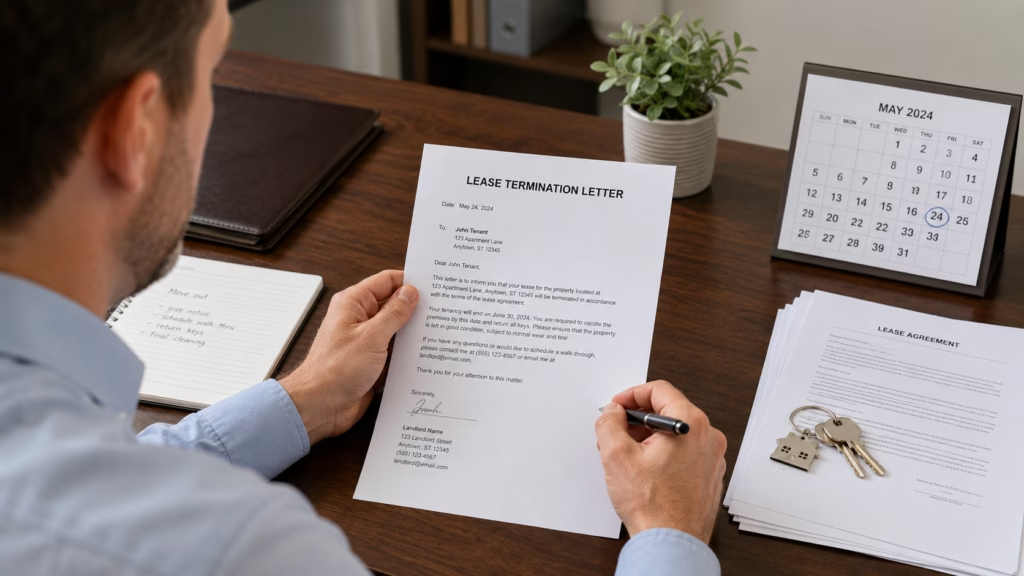
A lease termination letter is one of the most important written notices a landlord may need to send during the rental relationship. It documents that the lease is ending, explains the reason when appropriate, and gives the tenant clear instructions about move-out expectations.
For landlords, the goal is not simply to “put something in writing.” A good lease termination letter should protect the rental record, reduce confusion, and help avoid unnecessary disputes. It should also be prepared carefully because lease termination rules vary by state, city, property type, and lease structure.
This guide explains when landlords use a lease termination letter, what to include, and how to avoid common mistakes.
Download the Free Lease Termination Letter Template
Get the editable lease termination letter template in Word or PDF format when you sign up for our 2X weekly newsletter. You’ll also receive practical tips on real estate investing, rental property management, leasing, tenant issues, and landlord best practices.
What Is a Lease Termination Letter?
A lease termination letter is a written notice stating that a rental agreement will end on a specific date. Depending on the situation, it may be used to end a month-to-month tenancy, confirm that a fixed-term lease will not be renewed, or notify a tenant that the landlord is terminating the lease because of a lease violation.
A lease termination letter is different from an eviction filing. Termination is the notice step that explains the landlord’s position. Eviction is a legal court process used if the tenant does not move out or cure the issue after proper notice. Landlords should avoid treating the two as the same thing.
When Landlords Use a Lease Termination Letter
Landlords commonly use lease termination letters in several situations.
Ending a Month-to-Month Tenancy
For month-to-month leases, either party may usually end the tenancy by giving advance written notice. The required notice period depends on state and local law. Common notice periods include 30 days, 60 days, or another period stated in the lease.
Before sending the letter, review the lease and local law. Some rent-controlled or “just cause” jurisdictions limit when a landlord may terminate even a month-to-month tenancy.
Non-Renewal of a Fixed-Term Lease
If a fixed-term lease is ending, the landlord may send a lease termination or non-renewal letter to confirm that the lease will not continue after the expiration date.
This is useful even when the lease naturally expires. A written letter helps prevent confusion about whether the tenancy is continuing, whether the tenant is expected to vacate, and what move-out procedures apply.
Lease Violations
A landlord may also send a termination letter when the tenant has violated the lease. Examples may include unpaid rent, unauthorized occupants, repeated nuisance complaints, unauthorized pets, property damage, or illegal activity.
In some cases, the landlord may need to give the tenant an opportunity to fix the issue before termination. In other cases, the law may permit a more immediate notice. This is highly jurisdiction-specific, so landlords should verify local rules before sending a violation-based termination notice.
Owner Move-In, Sale, or Major Property Change
Some landlords terminate a lease because they plan to sell the property, move into it, perform major renovations, or remove it from the rental market. These situations can trigger special notice requirements in some cities and states.
A simple letter may not be enough if local law requires a specific notice form, relocation assistance, or a legally recognized reason for termination.
What to Include in a Lease Termination Letter
A lease termination letter should be clear, factual, and specific. Avoid emotional language or unnecessary accusations.
Basic Tenant and Property Information
Include the tenant’s full name, the rental property address, and the date the letter is sent. If multiple tenants signed the lease, name each tenant in the notice.
This helps establish that the notice applies to the correct lease and property.
Lease Details
Reference the lease date if available. For example, the letter may state: “This letter relates to the lease agreement dated March 1, 2025, for the property located at…”
This is especially helpful when a landlord owns multiple units or has renewed the lease more than once.
Termination Date
State the exact date the tenancy will end. Do not rely only on phrases like “next month” or “at the end of the lease.” Use a specific calendar date.
For example: “Your tenancy will terminate on June 30, 2026.”
Reason for Termination
If the law or lease requires a reason, include it. If the termination is for non-renewal and no reason is legally required, the landlord may keep the explanation brief.
For lease violations, describe the issue factually. Include dates, lease clauses, unpaid amounts, or prior notices where relevant. Keep the wording professional and avoid exaggeration.
Landlords should also remember that housing decisions cannot be based on protected characteristics. The federal Fair Housing Act prohibits discrimination in most housing based on protected classes, including race, color, national origin, religion, sex, familial status, and disability.
Move-Out Instructions
A good lease termination letter should explain what the tenant needs to do before leaving. This may include:
- Return all keys, garage openers, access cards, and parking permits.
- Remove personal property and trash.
- Leave the unit clean and in the condition required by the lease.
- Provide a forwarding address for security deposit correspondence.
- Schedule a move-out inspection, if applicable.
Keep this section practical. The letter should help the tenant understand the process and reduce back-and-forth communication.
Security Deposit Information
Briefly explain that the security deposit will be handled according to the lease and applicable law. Avoid promising a full refund before the unit has been inspected.
For example: “Your security deposit will be processed in accordance with the lease and applicable state law after possession is returned and the property is inspected.”
Delivery Method
The letter should be delivered using a method allowed by the lease and local law. This may include certified mail, personal delivery, posting, email, or another approved method.
Some jurisdictions have strict rules about notice delivery. If the notice is not served correctly, the termination may be challenged later.
Lease Termination Letter Sample
Landlords can adapt the following language, but it should be reviewed against the lease and local requirements before use.
Sample Lease Termination Letter
Date: [Insert Date]
Tenant Name: [Insert Tenant Name]
Rental Property Address: [Insert Address]
Dear [Tenant Name],
This letter serves as written notice that your tenancy at [Rental Property Address] will terminate on [Termination Date].
This notice is being provided in accordance with the lease agreement dated [Lease Date] and applicable landlord-tenant law. You are expected to vacate the property and return possession to the landlord on or before [Termination Date].
Before moving out, please remove all personal belongings, clean the rental unit, dispose of trash, and return all keys, access devices, parking permits, and other property-related items. Please also provide a forwarding address for future correspondence regarding your security deposit.
Your security deposit will be reviewed and processed in accordance with the lease and applicable law after the property has been vacated, possession has been returned, and the move-out condition has been evaluated.
Please contact [Landlord/Property Manager Name] at [Phone Number] or [Email Address] to coordinate move-out procedures or ask any questions about the process.
Sincerely,
[Landlord/Property Manager Name]
[Company Name, if applicable]
[Contact Information]
Download the Free Lease Termination Letter Template
Get the editable lease termination letter template in Word or PDF format when you sign up for our 2X weekly newsletter. You’ll also receive practical tips on real estate investing, rental property management, leasing, tenant issues, and landlord best practices.
Common Mistakes to Avoid
Giving the Wrong Notice Period
One of the most common mistakes is using the wrong notice period. The lease may say one thing, while state or local law may require something else. When in doubt, use the longer legally required period or consult a qualified local attorney.
Using Informal or Emotional Language
A lease termination letter should read like a business document. Avoid threats, insults, or personal commentary. The letter may become evidence in a dispute, so write it with that possibility in mind.
Failing to Document Delivery
A landlord should keep a copy of the signed letter and proof of delivery. This may include certified mail receipts, delivery confirmation, email records, or a signed acknowledgment from the tenant.
Confusing Termination With Self-Help Eviction
A landlord generally cannot remove a tenant by changing locks, shutting off utilities, removing belongings, or using intimidation. If the tenant does not leave after proper notice, the landlord may need to follow the legal eviction process.
Landlord-tenant rules are primarily governed by state and local law, and the Legal Information Institute provides a useful general overview of landlord-tenant law as a legal framework.
Fair Housing and Retaliation Concerns
Lease termination decisions should be consistent, documented, and based on legitimate business or lease-related reasons. Landlords should be especially careful when terminating shortly after a tenant complains about repairs, requests a reasonable accommodation, reports discrimination, or exercises a legal right.
HUD notes that retaliation related to fair housing complaints or protected activity can itself violate federal housing law. Landlords should review HUD’s guidance on reporting housing discrimination to understand how retaliation and discrimination issues may arise.
Are You Looking To Connect With Property Owners, Landlords, and Real Estate Investors?
Grow your business by connecting with property professionals with our cost-effective advertising options.