Posts Tagged ‘Intermediate’
How Expense Stops Keep Lease Costs From Drifting

An expense stop is a commercial lease provision that determines how much of the property’s operating expenses are included in the rent and how much may be passed through to the tenant. It is common in office leases, modified gross leases, and full-service gross leases where the landlord initially pays many property expenses. If you…
Read MoreHow to Raise Rent Without Losing Good Tenants

A lease renewal rent increase strategy should do more than push rent higher. The better goal is to grow income without creating avoidable vacancy, turnover costs, or tenant problems. If you own rental property, rent growth matters. Taxes rise. Insurance rises. Repairs get more expensive. Market rents change. But a rent increase that looks profitable…
Read MoreHow an Expansion Option Gives Tenants Room to Grow

An expansion option can be a valuable lease right for a growing commercial tenant, but it can also restrict a landlord’s future leasing flexibility. If you own, manage, or invest in commercial property, you need to understand how this clause works before you agree to reserve future space. An expansion option gives a tenant some…
Read MoreOut-of-State Landlord Tips to Help Stay in Control

Out-of-state landlord tips are most useful when they help you build a system. If you own rental property in another city or state, you cannot rely on casual oversight, quick drive-bys, or last-minute repair coordination. Remote ownership can work well, but only when the property has local support, clear access rules, reliable vendors, and documented…
Read MoreHow Exclusivity Clauses Can Shape Tenant Mix and Rent

An exclusivity clause can protect a tenant’s business model, but it can also limit a landlord’s future leasing options. In retail and mixed-use properties, this clause may determine which tenants can operate in the same center, what products they can sell, and how much flexibility the landlord has as the market changes. If you are…
Read MoreSingle-Family Rental Maintenance Costs That Bite

Single family rental maintenance costs can look manageable until one major system fails. A few small repairs may not seem serious, but HVAC service, roof issues, plumbing leaks, landscaping, tenant turnover, and reserve planning can quickly change your cash flow. The challenge with a single-family rental is that one property carries the full burden. If…
Read MoreDouble Net Lease Risks Hiding Below the Rent
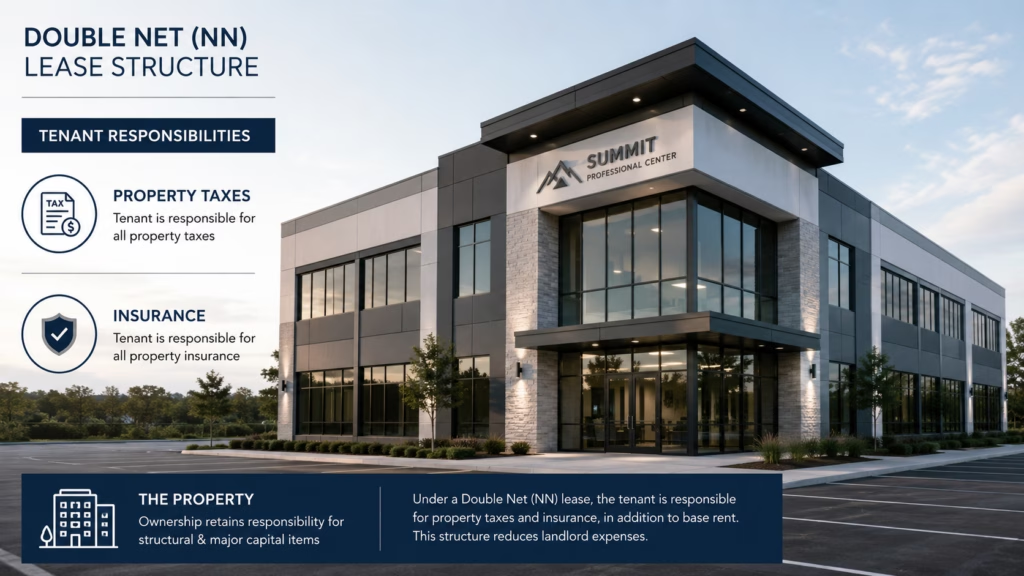
A double net lease, often written as an NN lease, sits between a single net lease and a triple net lease. It can give landlords more expense protection than a gross lease, while giving tenants less responsibility than a full triple net lease. That middle position is useful, but it can also create confusion. If…
Read MoreOne Vacancy Can Trigger Co-Tenancy Clause Risk

A co-tenancy clause can turn one retail vacancy into a much larger financial issue. If an anchor tenant leaves, occupancy drops, or a required tenant mix is not maintained, other tenants may gain the right to pay reduced rent, delay opening, or even terminate their leases. That makes co-tenancy language especially important in shopping centers,…
Read More