Assignment and Subletting Without Losing Control
Assignment and subletting provisions can seem like routine lease language until a tenant wants out, sells its business, downsizes, expands, or brings in another occupant. At that point, the clause becomes one of the most important control points in the lease.
If you own or manage rental property, especially commercial property, you need to know the difference between an assignment and a sublease. The two are related, but they do not create the same legal or financial result.
You can also compare this term with other leasing concepts in our real estate glossary as you review related lease provisions.
Get Practical Property Management Tips Twice a Week
Want smarter systems for managing rentals, screening tenants, handling maintenance, and improving property performance? Sign up for our 2X weekly newsletter and get practical property management and real estate investing insights delivered straight to your inbox.
What Assignment and Subletting Mean
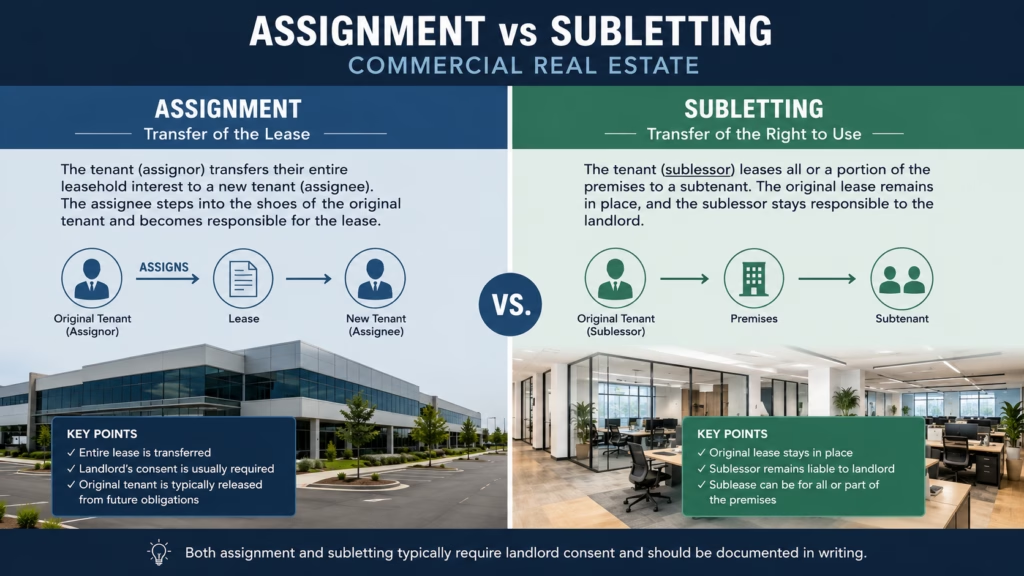
An assignment usually occurs when the original tenant transfers its lease rights and obligations to another party. The new party, often called the assignee, steps into the tenant’s position under the lease. Depending on the lease and applicable law, the original tenant may still remain liable unless the landlord expressly releases it.
A sublease is different. With a sublease, the original tenant keeps its lease with the landlord but rents some or all of the premises to another party. That new party is usually called the subtenant. The original tenant remains between the landlord and the subtenant, which means the landlord may still look to the original tenant for rent, compliance, and lease obligations.
Nolo’s discussion of commercial sublet and assignment clauses explains that these provisions are often negotiated because tenants want flexibility while landlords want control over who occupies the property.
The Practical Difference for Landlords
From your perspective as a landlord or property manager, assignment and subletting create different risks.
With an assignment, you may be dealing with a new primary occupant that takes over the lease position. That can be acceptable if the replacement tenant is financially strong, experienced, and compatible with the property. It can be a problem if the assignee has weaker credit, limited operating history, or a use that does not fit the building.
With a sublease, the original tenant usually remains responsible, but you now have another occupant using the space. That can create operational issues even if the rent continues to be paid. The subtenant’s business, hours, signage, customer traffic, parking demand, insurance coverage, and maintenance behavior may affect the property.
The key point is simple: the person paying rent is not the only concern. You also need to know who is physically using the property and whether that use fits the lease, zoning, insurance, and tenant mix.
Consent Rights and Approval Standards
Most landlord-friendly leases restrict assignment and subletting unless the tenant first obtains the landlord’s written consent. That gives you a chance to evaluate the proposed assignee or subtenant before control of the space changes.
The consent language matters. Some leases say consent is at the landlord’s sole discretion. Others say consent may not be unreasonably withheld, conditioned, or delayed. Those are very different standards.
If the lease uses a reasonableness standard, your approval process should be consistent and well documented. Appropriate review factors may include financial strength, business experience, proposed use, reputation, insurance, compliance history, compatibility with other tenants, and whether the transfer would violate exclusive-use rights or other lease obligations.
A useful clause should also say what information the tenant must provide with a transfer request. That may include financial statements, business plans, ownership information, proposed sublease or assignment documents, insurance evidence, and details about the intended use.
Lease Control Points to Review
Before approving an assignment or sublease, look beyond the tenant’s request and review the lease as a whole.
Original Tenant Liability
Do not assume the original tenant is automatically released. In many landlord-friendly structures, the original tenant remains liable after an assignment unless the landlord signs a release. That can be valuable if the new tenant later defaults.
If the tenant asks for a release, evaluate that request separately from the transfer itself. A release may reduce your recovery options if the assignee fails.
Use Restrictions
A proposed assignee or subtenant may want to operate a different business than the original tenant. That can create problems if the new use conflicts with zoning, parking limits, insurance requirements, building systems, or exclusive-use rights granted to another tenant.
For example, replacing a quiet office user with a high-traffic medical clinic, restaurant, fitness use, or late-night retail concept may change the property’s risk profile.
Recapture Rights
Some commercial leases give the landlord a recapture right. That means when the tenant asks to assign or sublease, the landlord may have the option to take back the space instead of approving the transfer.
This can be useful if market rents have increased, the space is strategically important, or the proposed transfer would weaken the property. The Colorado Lawyer’s discussion of recapture rights in commercial leases notes that leases may allow a landlord to terminate the lease and retake the space when a tenant seeks to assign or sublet.
Profit Sharing
If the tenant subleases the space for more than it pays under the original lease, the lease may require some or all of that excess rent to be shared with the landlord. This is especially relevant when market rents have increased or the tenant negotiated favorable rent years earlier.
Without this language, the tenant may capture value that was created by the property, location, or below-market lease terms.
Tenant Flexibility Still Has Value
A strict assignment and subletting clause protects the landlord, but too much rigidity can also create practical problems. Good tenants may need flexibility if they merge, sell their business, restructure, expand, contract, or bring in an affiliated entity.
For that reason, the best clause is not always the most restrictive clause. The better goal is controlled flexibility.
You want a process that allows reasonable business changes while protecting the property, income stream, and tenant mix. That usually means written consent, clear review standards, required documentation, continuing liability, use restrictions, and the right to recover legal or administrative costs.
Mistakes to Avoid
One common mistake is approving a transfer informally. Verbal approval, casual emails, or incomplete documentation can create confusion later. If the lease requires written consent, use written consent.
Another mistake is focusing only on rent. A proposed subtenant may be able to pay but still create parking issues, insurance problems, nuisance complaints, or conflicts with other tenants.
You should also avoid ignoring unauthorized occupants. If a tenant quietly allows another business to operate from the space, address it quickly. Delayed enforcement can weaken your position and create avoidable disputes.
Want To Skip the Costly Learning Curve in Real Estate Investing and Property Management?
Access comprehensive real estate investing guides written by a CCIM-certified expert with over three decades of experience.