Legal/Compliance
How an Expansion Option Gives Tenants Room to Grow

An expansion option can be a valuable lease right for a growing commercial tenant, but it can also restrict a landlord’s future leasing flexibility. If you own, manage, or invest in commercial property, you need to understand how this clause works before you agree to reserve future space. An expansion option gives a tenant some…
Read MoreHow Exclusivity Clauses Can Shape Tenant Mix and Rent

An exclusivity clause can protect a tenant’s business model, but it can also limit a landlord’s future leasing options. In retail and mixed-use properties, this clause may determine which tenants can operate in the same center, what products they can sell, and how much flexibility the landlord has as the market changes. If you are…
Read MoreLandlord Insurance Mistakes That Can Wreck Cash Flow

Landlord insurance mistakes are easy to overlook because insurance often feels like a back-office task. You buy a policy, pay the premium, file it away, and hope you never need it. That approach can become expensive. The wrong policy, low coverage limits, vacancy exclusions, missing flood coverage, or weak liability protection can leave you exposed…
Read MoreOne Vacancy Can Trigger Co-Tenancy Clause Risk

A co-tenancy clause can turn one retail vacancy into a much larger financial issue. If an anchor tenant leaves, occupancy drops, or a required tenant mix is not maintained, other tenants may gain the right to pay reduced rent, delay opening, or even terminate their leases. That makes co-tenancy language especially important in shopping centers,…
Read MoreLetter to Tenants Regarding Pets: Landlord Guide [Free Template]

Pets can be a sensitive subject in rental housing. Some tenants are responsible pet owners who follow the lease, clean up after their animals, and prevent property damage. Others may bring in an unauthorized pet, ignore breed or size restrictions, fail to pay required pet fees, or misunderstand the difference between a pet and an…
Read MoreHow Base Year Rent Can Quietly Change Your Lease Costs

Base year rent is one of those commercial lease concepts that can look simple during negotiation but become expensive later. If you are reviewing an office lease, mixed-use lease, or modified gross lease, the base year language can determine who pays when operating expenses increase. The phrase is sometimes used loosely, so it helps to…
Read MoreAssignment and Subletting Without Losing Control
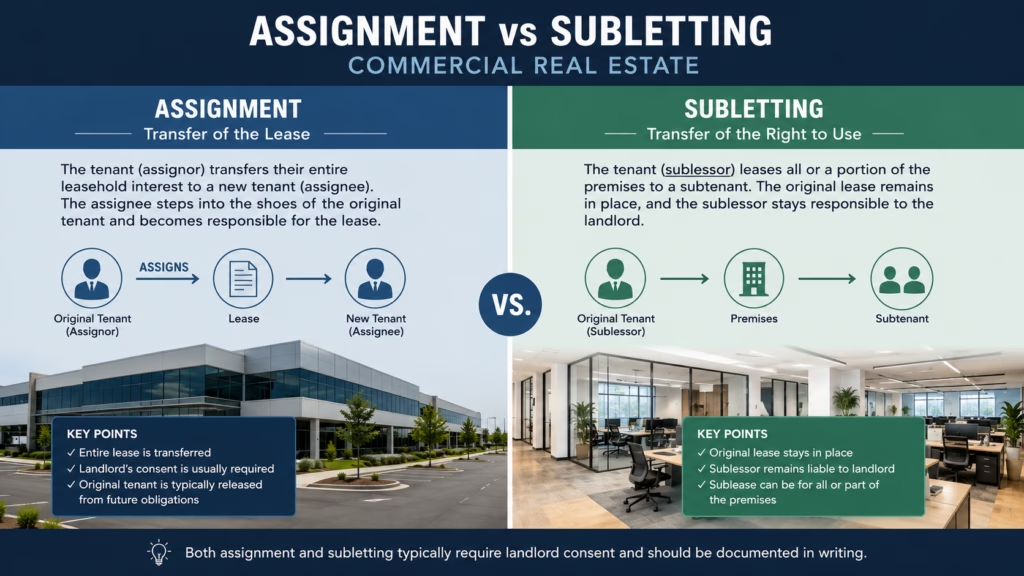
Assignment and subletting provisions can seem like routine lease language until a tenant wants out, sells its business, downsizes, expands, or brings in another occupant. At that point, the clause becomes one of the most important control points in the lease. If you own or manage rental property, especially commercial property, you need to know…
Read MoreLandlord Self Management Mistakes That Cost Owners Money

Self-managing a rental property can be a smart financial decision. Many landlords choose this route to avoid monthly property management fees, stay closer to the asset, and maintain direct control over tenant relationships. That can work well, especially for organized owners with one or two properties. The problem is that self-management only saves money when…
Read More