Legal/Compliance
Notice to Vacate Letter for Landlords [Free Template]

A notice to vacate is one of the most important written notices a landlord may need to prepare. It tells a tenant that the landlord is ending the tenancy, declining to renew the lease, or requiring the tenant to leave by a specific date. For landlords, the goal is not simply to send a letter.…
Read MoreBest Landlord Insurance Sources for Landlords

Landlord insurance is not the same as homeowners insurance. A homeowners policy is typically designed for an owner-occupied residence, while a landlord policy is designed for a property rented to tenants. That distinction matters because rental properties create different risks, including tenant-related damage, premises liability, vacancy exposure, loss of rental income, and property damage that…
Read MoreTop Tax Deductions for Residential Landlords [Free Download]

Owning rental property can create strong long-term income, but taxable income is not the same thing as rent collected. Residential landlords are generally allowed to deduct ordinary and necessary expenses for managing, conserving, and maintaining rental property. The key is knowing which expenses are deductible, which must be depreciated over time, and which records should…
Read MoreFirst-Time Landlord Guide to Getting Started

Becoming a landlord for the first time can be both exciting and intimidating. Rental property can create monthly income, long-term equity, and valuable tax advantages, but it also comes with legal, financial, and operational responsibilities that should not be treated casually. This first-time landlord guide is designed to help new rental owners understand the basics…
Read MoreTop Detroit Property Management Companies

Detroit can be attractive to rental property investors because entry prices are often lower than in many major metros. That does not mean the market is easy. Landlords must pay close attention to property condition, neighborhood selection, city compliance, repairs, tenant quality, and rent collection. A Detroit rental can perform well when the numbers are…
Read MoreTop Chicago Property Management Companies
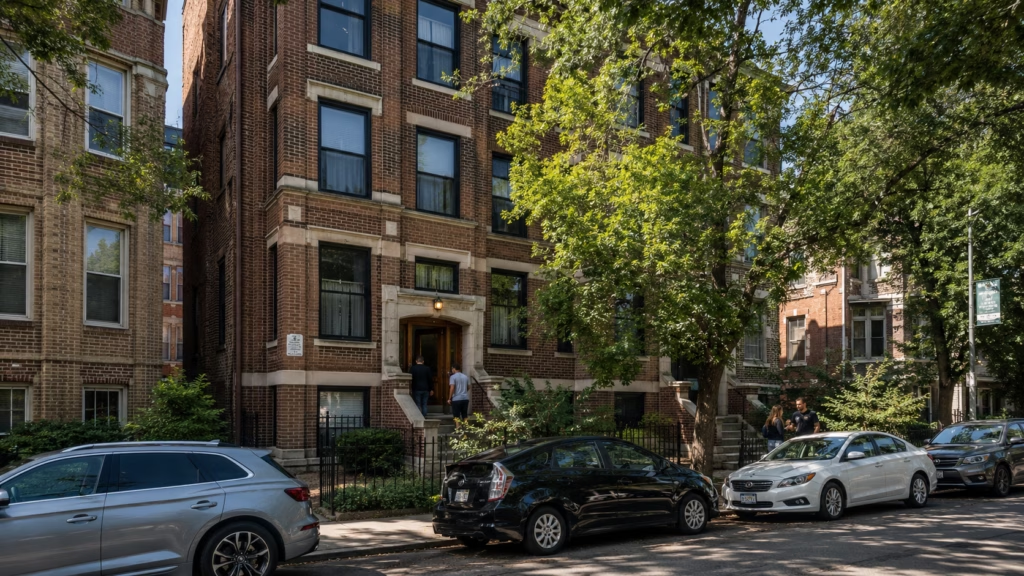
Chicago is a different kind of rental market than many newer Sun Belt metros. Landlords often deal with older buildings, dense neighborhoods, multifamily properties, condo associations, strict local rules, and wide rent differences from one neighborhood to the next. A rental in Lincoln Park will not operate like a building in Logan Square, Bronzeville, Bridgeport,…
Read MoreTop Raleigh-Cary Property Management Companies

Raleigh-Cary is not a one-size-fits-all rental market. The area includes downtown Raleigh rentals, Cary single-family homes, Apex and Holly Springs suburban properties, Research Triangle Park commuter housing, and investor-owned homes across Wake County. That variety matters for landlords. A good property manager should know how to price the rental home, screen the tenant, coordinate repairs,…
Read MoreLandlord Legal Obligations: Compliance and Risk Management

Becoming a landlord is often framed as a straightforward path to passive income. Buy a property, find a tenant, collect rent. However, the reality of property management is far more complex, governed by a web of federal, state, and local laws designed to protect both property owners and tenants. Understanding your landlord legal obligations isn’t…
Read More