Posts Tagged ‘Commercial Investors’
How Expense Stops Keep Lease Costs From Drifting

An expense stop is a commercial lease provision that determines how much of the property’s operating expenses are included in the rent and how much may be passed through to the tenant. It is common in office leases, modified gross leases, and full-service gross leases where the landlord initially pays many property expenses. If you…
Read MoreHow an Expansion Option Gives Tenants Room to Grow
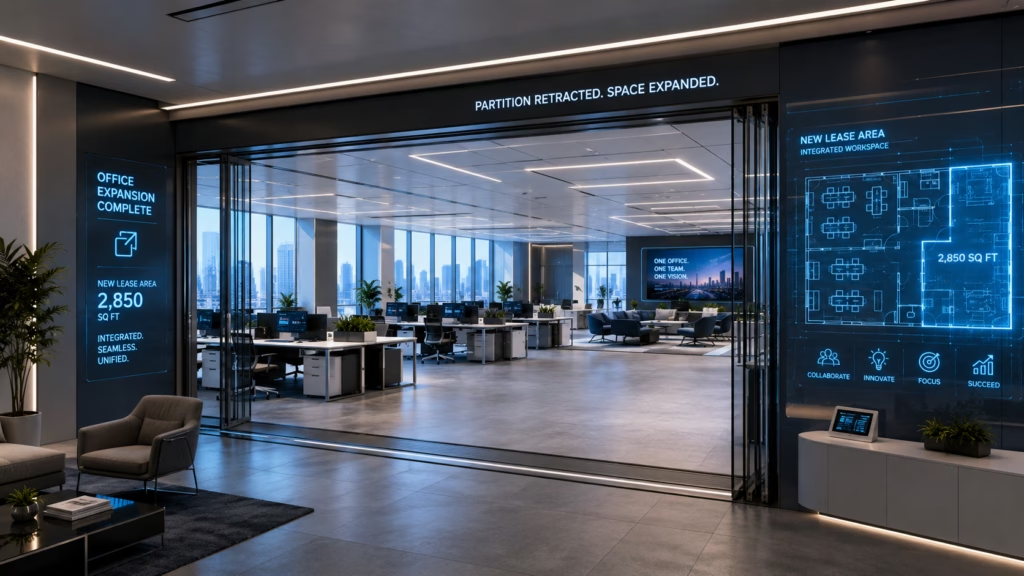
An expansion option can be a valuable lease right for a growing commercial tenant, but it can also restrict a landlord’s future leasing flexibility. If you own, manage, or invest in commercial property, you need to understand how this clause works before you agree to reserve future space. An expansion option gives a tenant some…
Read MoreHow Exclusivity Clauses Can Shape Tenant Mix and Rent

An exclusivity clause can protect a tenant’s business model, but it can also limit a landlord’s future leasing options. In retail and mixed-use properties, this clause may determine which tenants can operate in the same center, what products they can sell, and how much flexibility the landlord has as the market changes. If you are…
Read MoreDouble Net Lease Risks Hiding Below the Rent
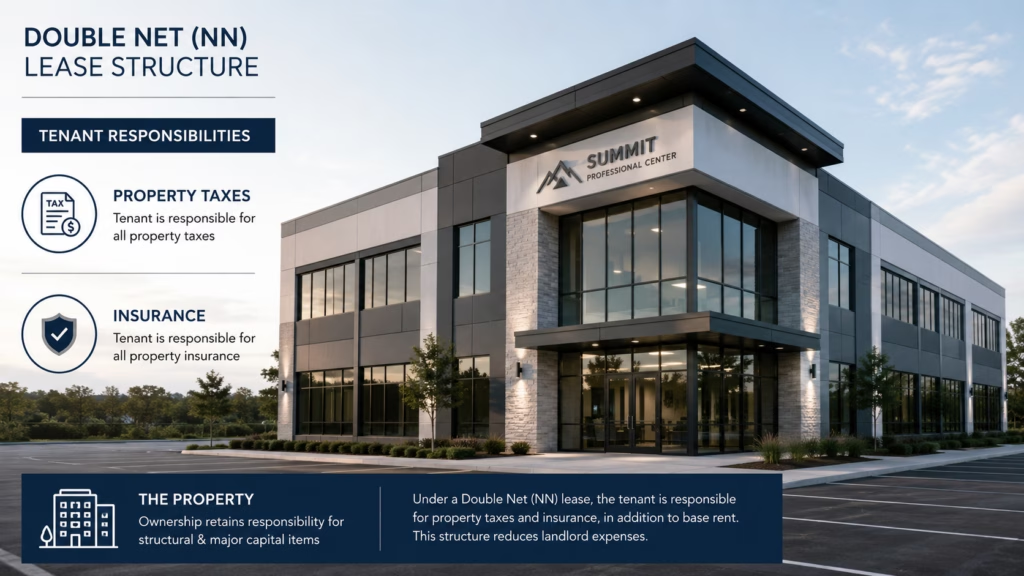
A double net lease, often written as an NN lease, sits between a single net lease and a triple net lease. It can give landlords more expense protection than a gross lease, while giving tenants less responsibility than a full triple net lease. That middle position is useful, but it can also create confusion. If…
Read MoreRent Concessions That Help Protect Cash Flow

Rent concessions can help you fill a vacancy, retain a tenant, or compete in a softer rental market. Used carefully, they can protect income by reducing downtime. Used poorly, they can train tenants to expect discounts, weaken your rent roll, and make your property look less stable to buyers or lenders. A concession is an…
Read MoreOne Vacancy Can Trigger Co-Tenancy Clause Risk

A co-tenancy clause can turn one retail vacancy into a much larger financial issue. If an anchor tenant leaves, occupancy drops, or a required tenant mix is not maintained, other tenants may gain the right to pay reduced rent, delay opening, or even terminate their leases. That makes co-tenancy language especially important in shopping centers,…
Read MoreHow CAM Common Area Maintenance Can Change Lease Costs
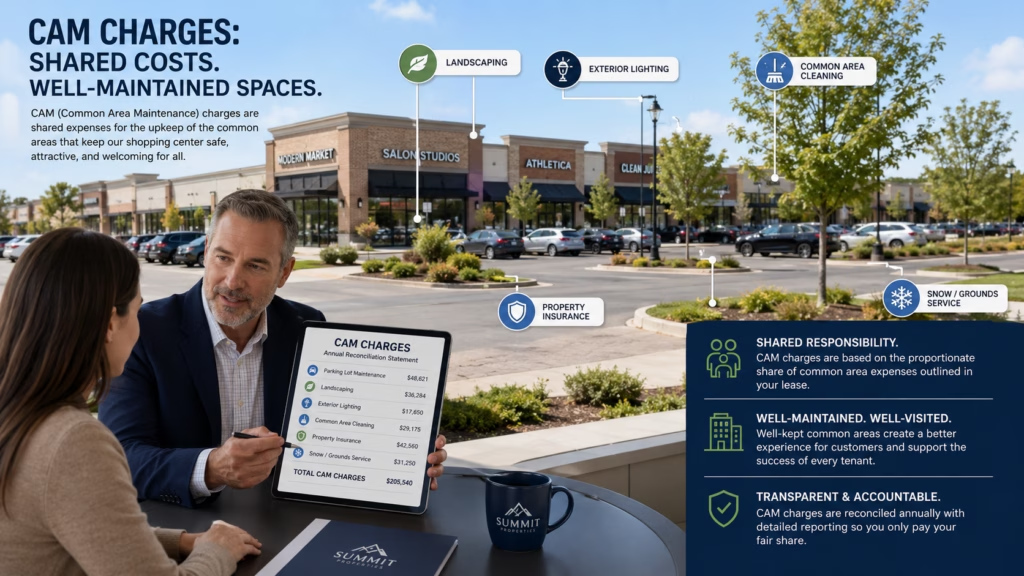
CAM, or common area maintenance, is one of the most important expense items in many commercial leases. It affects landlords, tenants, property managers, and investors because it determines how shared property costs are paid, estimated, reconciled, and disputed. If you are reviewing a retail, office, industrial, or mixed-use lease, CAM language deserves careful attention. The…
Read MoreBuildout Allowance Mistakes That Shrink Returns
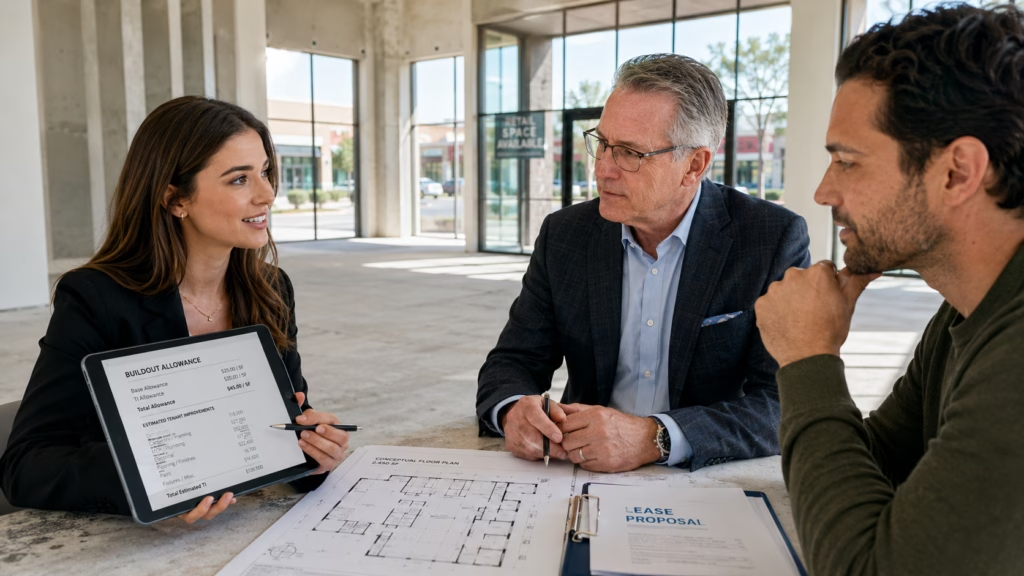
A buildout allowance can help get a commercial lease signed, but it can also quietly change the economics of the entire deal. If you are a landlord, the allowance affects your upfront cash, return on cost, lease structure, and risk if the tenant fails. If you are a tenant, it affects how much capital you…
Read More