Posts Tagged ‘Commercial Investors’
Buildout Allowance Mistakes That Shrink Returns

A buildout allowance can help get a commercial lease signed, but it can also quietly change the economics of the entire deal. If you are a landlord, the allowance affects your upfront cash, return on cost, lease structure, and risk if the tenant fails. If you are a tenant, it affects how much capital you…
Read MoreHow AI Can Help Keep Property Projects On Schedule

AI property delivery is becoming more practical because construction delays are rarely caused by one isolated mistake. More often, they come from small issues that compound: late approvals, missing materials, slow submittals, labor gaps, design conflicts, weather interruptions, and poor communication between contractors. If you own, develop, manage, or invest in property, the key lesson…
Read MoreWhy Broker Commission Can Change the Real Cost of a Deal

Broker commission is one of the most visible transaction costs in real estate, but it is also one of the most misunderstood. Whether you are buying a rental house, selling a small multifamily property, leasing a retail space, or purchasing a commercial building, the commission structure can affect your net proceeds, cash needed to close,…
Read MoreHow to Read CRE Loan Maturity Stress

Commercial real estate loan maturity stress is one of the most important risk signals in today’s market. But it is also one of the easiest to misunderstand. When a loan reaches maturity and does not pay off immediately, the common reaction is to call it “extend and pretend.” The phrase suggests that lenders are simply…
Read MoreHow Base Year Rent Can Quietly Change Your Lease Costs

Base year rent is one of those commercial lease concepts that can look simple during negotiation but become expensive later. If you are reviewing an office lease, mixed-use lease, or modified gross lease, the base year language can determine who pays when operating expenses increase. The phrase is sometimes used loosely, so it helps to…
Read MoreAssignment and Subletting Without Losing Control
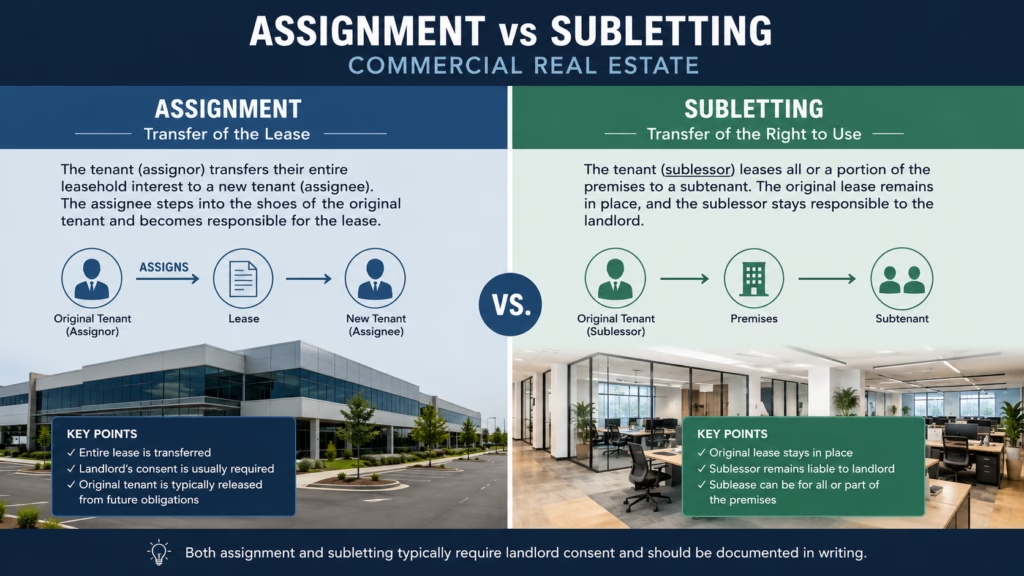
Assignment and subletting provisions can seem like routine lease language until a tenant wants out, sells its business, downsizes, expands, or brings in another occupant. At that point, the clause becomes one of the most important control points in the lease. If you own or manage rental property, especially commercial property, you need to know…
Read MoreWhy an Anchor Tenant Can Make or Break a Deal
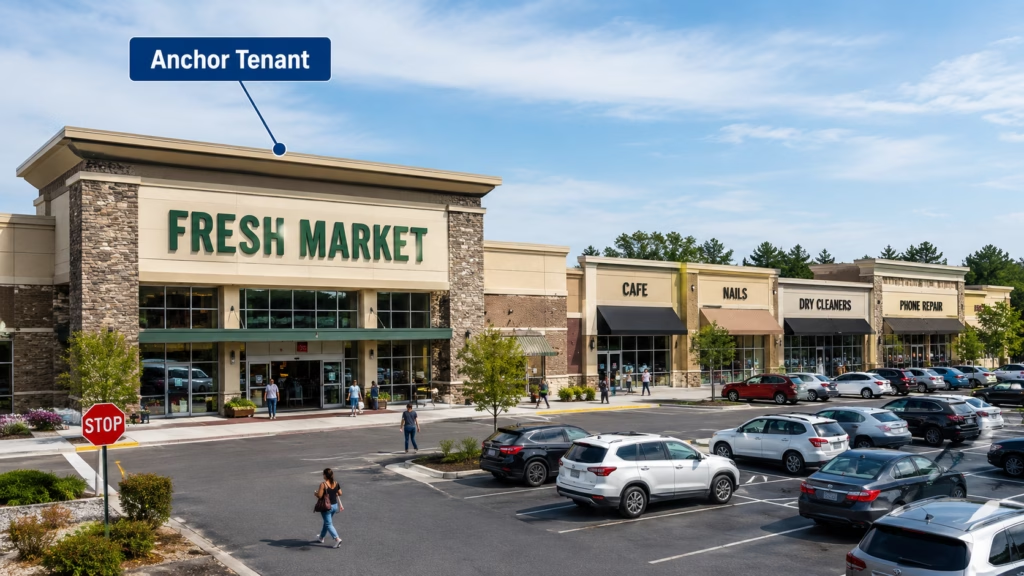
An anchor tenant is one of the most important tenants in a commercial property, especially in a shopping center, strip center, power center, or mixed-use development. If you are evaluating a retail property, the anchor tenant can influence foot traffic, leasing demand, financing, cap rate, tenant mix, and long-term property value. That makes the anchor…
Read MoreAbsolute Triple Net Lease: What Investors Must Know
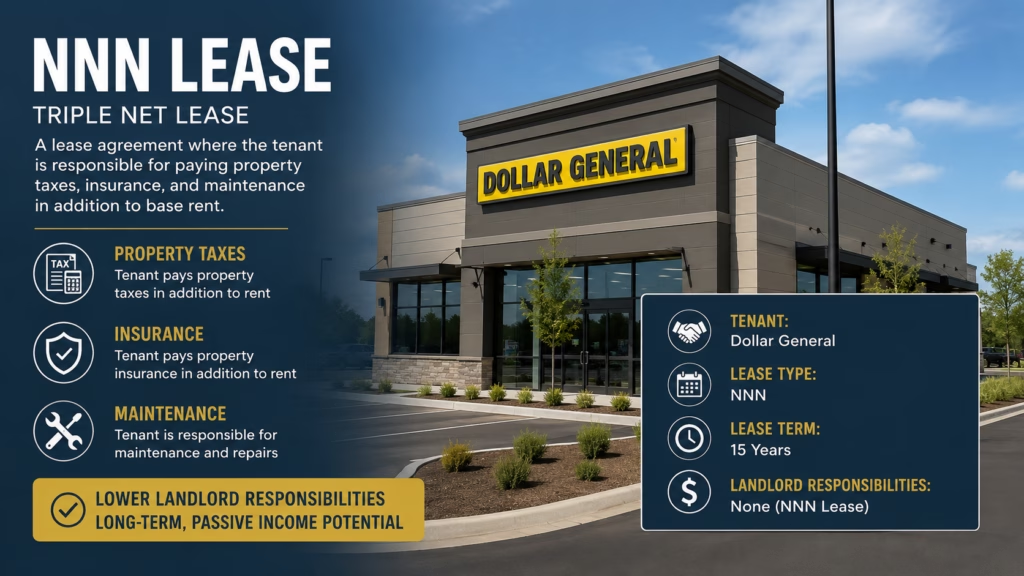
An absolute triple net lease, often called an absolute NNN lease, is one of the most landlord-friendly lease structures in commercial real estate. It can create predictable income, shift major property expenses to the tenant, and reduce day-to-day management responsibilities. That does not make it risk-free. If you are evaluating a property with an absolute…
Read More