
Why an Anchor Tenant Can Make or Break a Deal
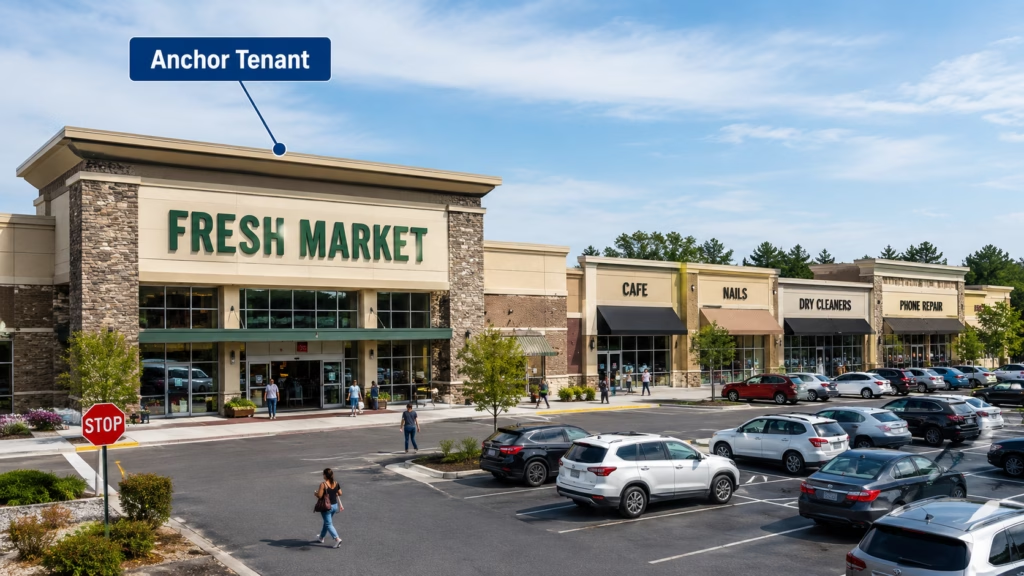
An anchor tenant is one of the most important tenants in a commercial property, especially in a shopping center, strip center, power center, or mixed-use development. If you are evaluating a retail property, the anchor tenant can influence foot traffic, leasing demand, financing, cap rate, tenant mix, and long-term property value.
That makes the anchor tenant more than just a large occupant. It can be a major part of the investment thesis.
If you are reviewing this term as part of your broader real estate education, our comprehensive real estate glossary can help you compare related leasing, valuation, and property management terms.
Get Practical Property Management Tips Twice a Week
Want smarter systems for managing rentals, screening tenants, handling maintenance, and improving property performance? Sign up for our 2X weekly newsletter and get practical property management and real estate investing insights delivered straight to your inbox.
What Is an Anchor Tenant?
An anchor tenant is typically the largest, most recognized, or most traffic-generating tenant in a commercial property. In a neighborhood shopping center, that might be a grocery store. In a power center, it might be a national big-box retailer. In a regional mall, it might be a department store, entertainment use, or another large-format retailer.
NAIOP’s commercial real estate terms and definitions describe an anchor tenant as the primary and usually largest tenant in a shopping center, noting that larger centers may have more than one anchor tenant. NAIOP also notes that anchor tenants often pay significantly lower rent than smaller tenants because they help draw consumers to the center.
That last point is important. An anchor tenant may not always produce the highest rent per square foot, but it can support the overall value of the property by attracting customers and helping smaller tenants succeed.
The Role of an Anchor Tenant in Commercial Property Performance
An anchor tenant affects a property in several ways. The most obvious is customer traffic. A strong grocery store, pharmacy, fitness operator, discount retailer, or home improvement store can bring recurring visitors to the property. Those visitors may also shop at restaurants, service businesses, medical tenants, salons, banks, or smaller retailers in the same center.
The anchor also helps define the property’s identity. A grocery-anchored center feels different from a fitness-anchored center, a discount-anchored center, or an entertainment-anchored center. That identity influences which tenants want to lease space, how often customers visit, and how lenders or buyers view the asset.
ICSC’s U.S. shopping-center definition standard uses anchors as part of how several shopping center formats are classified, including larger neighborhood, community, and power centers. For example, the standard identifies certain center types by typical number of anchors and the share of gross leasable area occupied by anchor tenants.
How an Anchor Tenant Affects Property Value
When you value a commercial property, you are not just looking at rent. You are also looking at the durability of the income stream. A strong anchor tenant can make income feel more stable because it may support occupancy, customer traffic, and leasing momentum.
That can affect cap rates. If buyers believe the anchor tenant is strong, committed, and relevant to the local market, they may be willing to accept a lower cap rate. If the anchor tenant is weak, overpaying rent, nearing lease expiration, or operating in a declining retail category, buyers may demand a higher return to compensate for risk.
Anchor Tenant Strength Can Support Smaller Tenants
Smaller tenants often benefit from the traffic created by the anchor. A coffee shop, quick-service restaurant, insurance office, nail salon, or urgent care clinic may perform better when located near a high-traffic anchor.
That relationship is one reason landlords often accept lower rent from an anchor tenant. The anchor may create indirect value by making the rest of the space easier to lease.
Anchor Tenant Loss Can Create a Valuation Problem
The reverse is also true. If the anchor leaves, the property may suffer. You could lose foot traffic, face co-tenancy issues, and struggle to replace the tenant quickly. Smaller tenants may ask for rent relief, decline to renew, or use lease clauses that were triggered by the anchor vacancy.
For investors, this means the anchor lease expiration date matters. A center with a strong anchor on a 12-year lease is very different from a center where the anchor has 18 months remaining and no clear renewal commitment.
What to Review Before Buying a Property With an Anchor Tenant

You should not assume that a recognizable tenant automatically makes a deal safe. Brand name alone is not enough.
Review the Anchor Lease
Start with the lease. Look at the remaining term, renewal options, rent escalations, expense reimbursements, assignment rights, use restrictions, co-tenancy language, and termination rights. You also want to know whether the tenant has any special control over signage, parking, operating hours, or the type of tenants the landlord can lease to nearby.
Anchor tenants often have more negotiating power than small tenants. That can lead to favorable lease terms for the anchor but less flexibility for the owner.
Study the Tenant’s Local Performance
A national brand may be strong overall while a specific location underperforms. When possible, review store-level sales, traffic patterns, occupancy cost ratio, lease renewal history, and whether the tenant has invested in the location.
If store-level sales are not available, look for indirect signs. Is the tenant maintaining the space? Has it recently remodeled? Is the parking lot active? Does the store appear aligned with current consumer demand in that trade area?
Understand the Co-Tenancy Risk
Co-tenancy clauses can give other tenants rent reductions or termination rights if an anchor closes or if occupancy falls below a required threshold. These clauses can turn one vacancy into a broader income problem.
Before you buy, confirm which leases include co-tenancy provisions, what triggers them, and how much rent could be affected.
What Makes a Good Anchor Tenant?
A good anchor tenant usually has a strong reason to stay. That may include a profitable location, a dense customer base, strong demographics, limited nearby competition, favorable access, strong visibility, or a specialized buildout that would be costly to replicate elsewhere.
Grocery stores, pharmacies, medical users, fitness centers, discount retailers, and essential-service tenants can be attractive anchors when they serve regular customer needs. However, no category is automatically safe. You still need to evaluate the tenant, lease, location, and market.
Are You Looking To Connect With Property Owners, Landlords, and Real Estate Investors?
Grow your business by connecting with property professionals with our cost-effective advertising options.