Property Analysis
Double Net Lease Risks Hiding Below the Rent
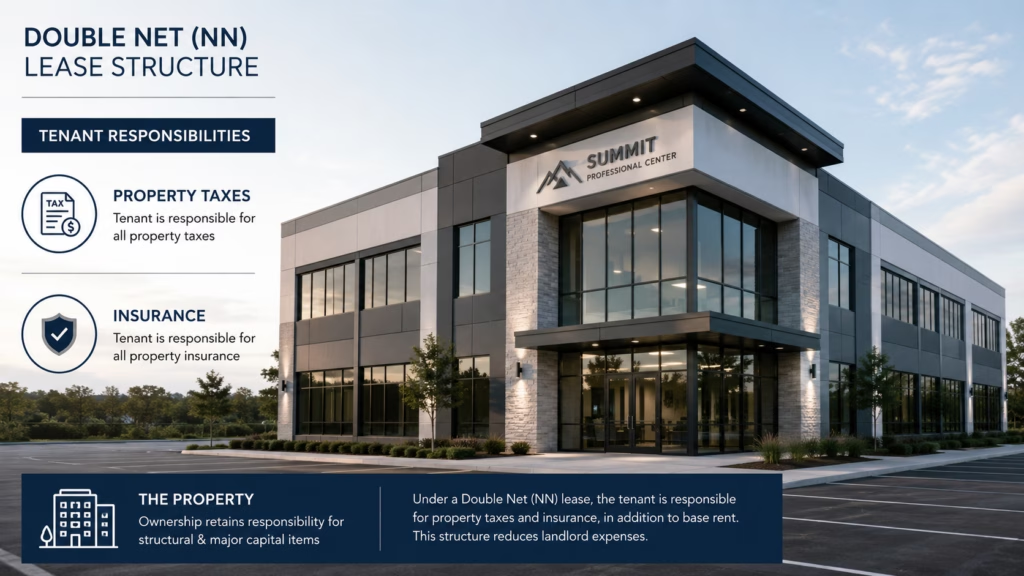
A double net lease, often written as an NN lease, sits between a single net lease and a triple net lease. It can give landlords more expense protection than a gross lease, while giving tenants less responsibility than a full triple net lease. That middle position is useful, but it can also create confusion. If…
Read MoreWhy Vacancy Costs More Than One Month’s Rent

Rental property vacancy cost is often underestimated because landlords focus only on the obvious number: one month of lost rent. That is a start, but it is rarely the full cost. A vacant rental can also create turnover repairs, cleaning costs, utilities, lawn care, advertising, leasing fees, concessions, insurance exposure, security concerns, and additional owner…
Read MoreHow CAM Common Area Maintenance Can Change Lease Costs
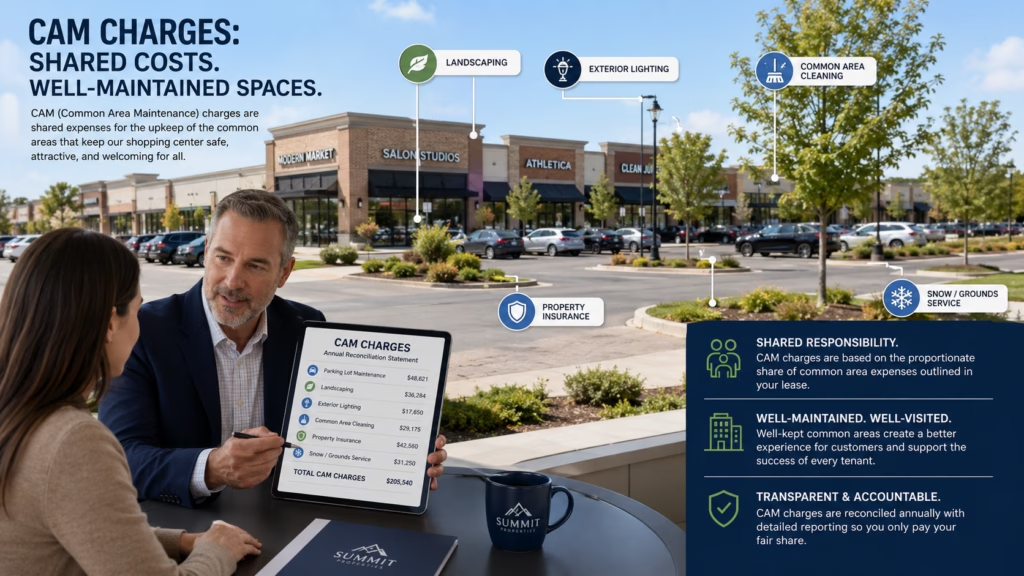
CAM, or common area maintenance, is one of the most important expense items in many commercial leases. It affects landlords, tenants, property managers, and investors because it determines how shared property costs are paid, estimated, reconciled, and disputed. If you are reviewing a retail, office, industrial, or mixed-use lease, CAM language deserves careful attention. The…
Read MoreBuildout Allowance Mistakes That Shrink Returns

A buildout allowance can help get a commercial lease signed, but it can also quietly change the economics of the entire deal. If you are a landlord, the allowance affects your upfront cash, return on cost, lease structure, and risk if the tenant fails. If you are a tenant, it affects how much capital you…
Read MoreHow AI Can Help Keep Property Projects On Schedule

AI property delivery is becoming more practical because construction delays are rarely caused by one isolated mistake. More often, they come from small issues that compound: late approvals, missing materials, slow submittals, labor gaps, design conflicts, weather interruptions, and poor communication between contractors. If you own, develop, manage, or invest in property, the key lesson…
Read MoreProperty Management Fee Red Flags Before You Sign

Property management fee red flags are easiest to catch before you sign the management agreement. Once the contract is active, it becomes much harder to question charges, cancel the relationship, or compare the manager’s pricing against the actual service you’re receiving. If you own one rental property or a small portfolio, you don’t need the…
Read MoreWhy an Anchor Tenant Can Make or Break a Deal
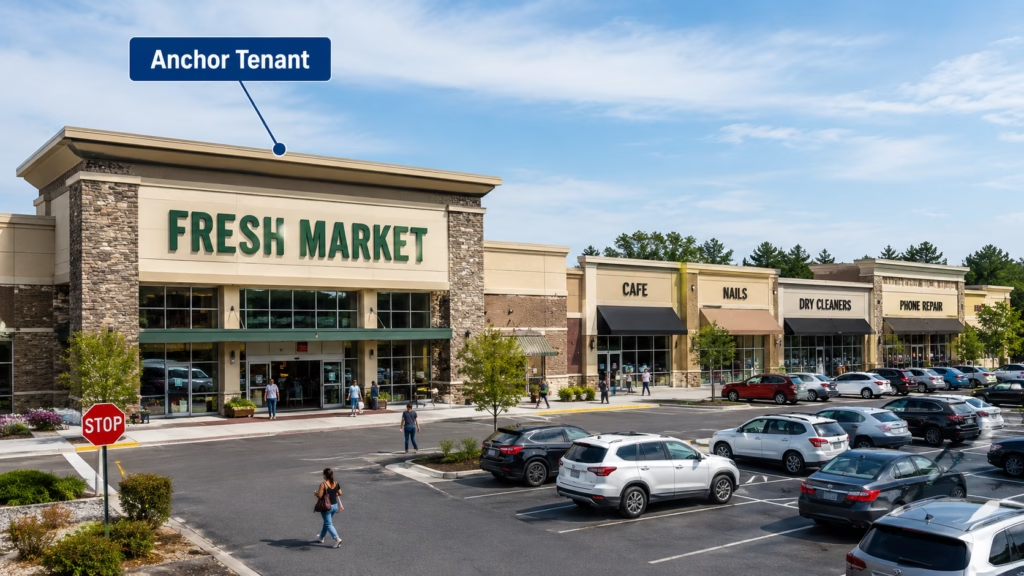
An anchor tenant is one of the most important tenants in a commercial property, especially in a shopping center, strip center, power center, or mixed-use development. If you are evaluating a retail property, the anchor tenant can influence foot traffic, leasing demand, financing, cap rate, tenant mix, and long-term property value. That makes the anchor…
Read MoreAbsolute Triple Net Lease: What Investors Must Know
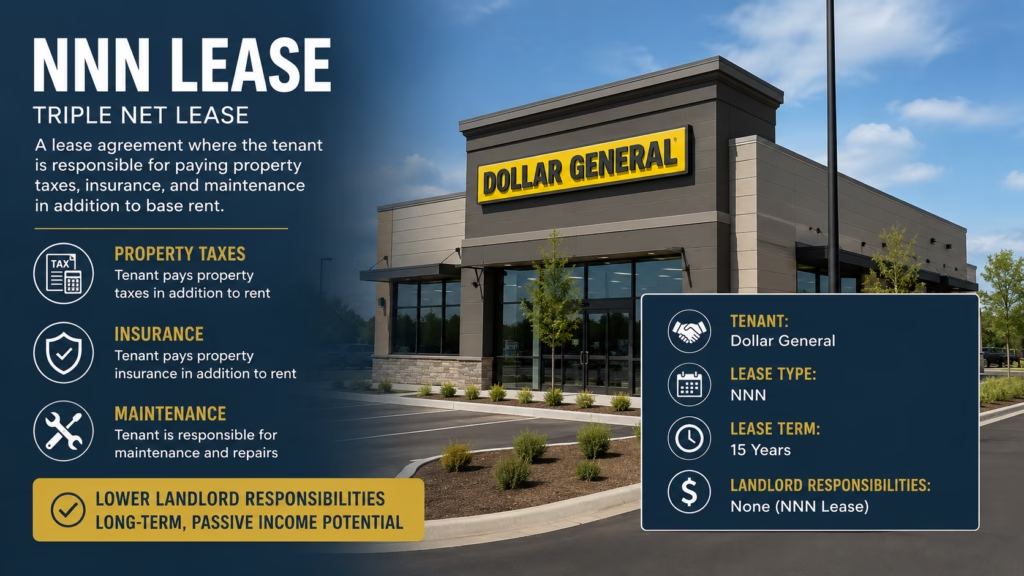
An absolute triple net lease, often called an absolute NNN lease, is one of the most landlord-friendly lease structures in commercial real estate. It can create predictable income, shift major property expenses to the tenant, and reduce day-to-day management responsibilities. That does not make it risk-free. If you are evaluating a property with an absolute…
Read More