The Rental Cycle: Where Profit Is Won or Lost
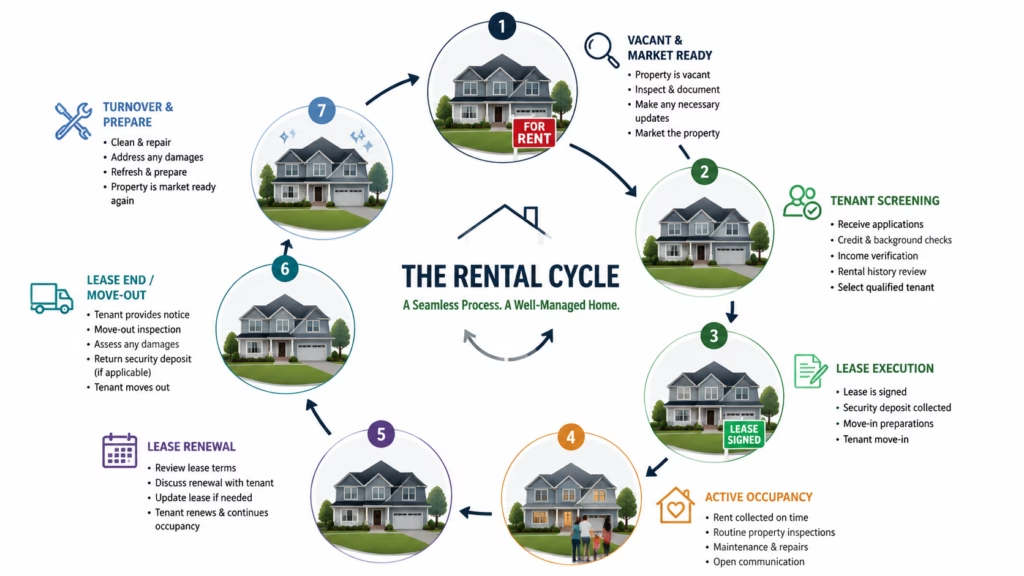
The rental cycle is the operating sequence your property moves through from vacancy to vacancy. It begins before a tenant signs a lease and continues through marketing, screening, move-in, occupancy, renewal, and eventual turnover.
You may think of each lease as a separate transaction. In practice, every stage affects the next one. Poor screening can create collection problems during occupancy. Weak move-in documentation can complicate the security deposit at move-out. Delayed renewal decisions can create avoidable vacancy. Slow turnover work can postpone the start of the next lease.
When you manage the rental cycle as one connected process, you can reduce downtime, improve tenant selection, and make the property’s financial performance more predictable.
Learn How Better Landlords Manage Better Rentals
Join our 2X weekly newsletter for clear, actionable guidance on property management, leasing, tenant issues, rental property operations, and real estate investing strategies you can actually use.
See the Property as a Loop, Not a Lease
The rental cycle does not stop when a tenant moves in. It simply moves into a different operating phase.
A typical cycle looks like this:
Vacancy planning → make-ready work → marketing → screening → lease signing → move-in → occupancy → renewal decision → move-out → turnover
Each stage has a different objective.
| Rental cycle stage | Primary objective | Useful performance measure |
|---|---|---|
| Vacancy and make-ready | Return the property to market quickly | Days from possession to listing |
| Marketing | Generate qualified inquiries | Inquiries and applications |
| Screening | Select a tenant using consistent criteria | Approval quality and completion time |
| Move-in | Establish condition and expectations | Signed documents and inspection record |
| Occupancy | Collect rent and preserve the property | Delinquency and maintenance trends |
| Renewal | Balance rent growth with retention | Renewal acceptance rate |
| Turnover | Close the tenancy and prepare the next cycle | Total vacancy and turnover cost |
A delay or weak process at one stage often creates costs elsewhere in the cycle.
Vacancy Starts the Next Cycle
Vacancy should trigger a prepared process, not a series of improvised decisions.
Before the prior tenant leaves, confirm the move-out date, access arrangements, inspection procedure, utility responsibilities, key return process, and expected work. If local law permits a pre-move-out inspection, schedule it early enough to identify obvious issues.
Once you regain possession, separate the work into four categories:
- Cleaning and ordinary turnover
- Tenant-caused damage
- Deferred maintenance
- Improvements or upgrades
This distinction affects the security deposit, accounting, project schedule, and asking rent. Repainting worn walls may be an ownership cost. Repairing a door damaged by impact may be tenant damage. Replacing dated fixtures may be an improvement intended to support a higher rent.
Make-ready work should follow a sequence
Complete work in the right order. Remove abandoned items first, then handle repairs, painting, flooring, cleaning, landscaping, safety checks, and final photography.
Listing a property before you understand the repair scope can lead to canceled showings or an unrealistic availability date. Waiting until every minor detail is finished before beginning any marketing can also extend vacancy unnecessarily.
The better approach is to establish a credible ready date and coordinate the listing around it.
Screening Sets the Operating Risk
Tenant screening is not just about filling the vacancy. It influences payment reliability, lease compliance, property care, communication, and the likelihood of an early turnover.
Use written screening criteria before applications arrive. Your standards might address income, credit history, rental history, occupancy limits, pets, and other lawful factors. Apply the same criteria consistently to comparable applicants.
A screening service such as TransUnion SmartMove can provide credit, eviction, and other applicant information without requiring you to collect sensitive account details directly. A report should support your decision, not replace judgment or a consistent policy.
Verify information rather than relying only on a score. Confirm income, contact prior landlords where appropriate, review identity documentation carefully, and investigate material inconsistencies.
If you deny an application or impose different conditions because of information in a tenant screening report, the CFPB explains that federal law may require an adverse action notice. Build that step into your process rather than trying to recreate it after the applicant asks questions.
Move-In Creates the Baseline
The move-in stage determines what both parties believe was promised and what condition the property was in at the beginning.
Before releasing possession, confirm that the lease and required addenda are signed, funds have cleared, utilities are arranged, insurance requirements are satisfied, and keys or access codes are documented.
Complete a detailed condition report with dated photographs. Record existing wall marks, flooring wear, appliance condition, landscaping issues, missing items, and prior repairs. Give the tenant a defined period to report additional conditions that may not have been visible during the initial walkthrough.
This record becomes the comparison point for inspections, maintenance decisions, and the eventual move-out review.
Use the first month as an operating test
The first 30 days can reveal whether the tenant understands payment procedures, maintenance reporting, trash rules, parking, pet requirements, and other property expectations.
A short welcome message or early check-in can prevent avoidable confusion. This is also the time to correct missing paperwork, clarify access procedures, and confirm how emergencies should be reported.
Occupancy Is Where Profit Quietly Leaks
Most of the rental cycle occurs during occupancy. This is also where small operational problems accumulate.
Late payments, unresolved work orders, recurring plumbing calls, unauthorized occupants, weak inspection records, and inconsistent communication may not create an immediate crisis. Over time, however, they affect cash flow and property condition.
A simple monthly operating review should cover:
Rent: Was the full amount collected, and are any balances growing?
Maintenance: Which issues remain open, and are any repairs repeating?
Lease compliance: Are there documented concerns that require follow-up?
Property condition: Is a seasonal or mid-lease inspection due?
Future dates: When do the lease, insurance policy, registrations, and vendor contracts expire?
The objective is not to micromanage the tenant. It is to identify changes before they become expensive.
Renewal Is a Portfolio Decision
A renewal should not be treated as an automatic extension of the current lease.
Review the tenant’s payment history, property care, communication, maintenance record, current rent, local market, and expected turnover cost. Then decide whether to renew at the current rent, propose an increase, revise lease terms, offer a different lease length, or allow the tenancy to end.
Begin the review well before the legal notice deadline. Waiting until the final weeks reduces your options and gives you little time to prepare if the tenant declines.
A strong tenant paying slightly below the highest possible market rent may still produce the better financial result. A higher rent is not automatically more profitable if achieving it requires vacancy, repairs, concessions, and leasing expenses.
Turnover Closes One Cycle and Opens Another
Move-out is both the end of the current tenancy and the beginning of the next vacancy period.
Document the condition before vendors begin work. Compare it with the move-in report, identify normal wear separately from damage, collect invoices, and complete the security-deposit process within the required timeline.
At the same time, start the next make-ready schedule. Security-deposit accounting and turnover work can proceed as related but separate processes.
An organized tenant turnover checklist can help you track tasks such as changing locks, inspecting systems, cleaning, completing repairs, and preparing updated marketing photographs.
Conduct a post-cycle review
After the property is occupied again, review the completed cycle.
Ask what caused the vacancy, how many days the property was offline, which repairs took longest, how much the turnover cost, whether the asking rent was realistic, and whether your screening and leasing process worked as intended.
This review turns one tenancy into useful information for the next.
Measure the Cycle, Not Just the Monthly Rent
Monthly rent tells you what the property can earn when occupied. Rental cycle metrics show how much of that income you actually keep.
Useful measures include:
- Total vacant days
- Days from move-out to market-ready
- Days from listing to approved application
- Turnover repair and cleaning cost
- Leasing and advertising cost
- Delinquency frequency
- Renewal acceptance rate
- Average length of tenancy
- Maintenance cost during occupancy
- Total cost from one tenant’s departure to the next tenant’s move-in
These numbers help you locate the weak stage. A property may have strong demand but slow make-ready work. Another may lease quickly but experience frequent turnover because renewal decisions are poorly handled.