Posts Tagged ‘Residential Investors’
Property Management Fee Red Flags Before You Sign

Property management fee red flags are easiest to catch before you sign the management agreement. Once the contract is active, it becomes much harder to question charges, cancel the relationship, or compare the manager’s pricing against the actual service you’re receiving. If you own one rental property or a small portfolio, you don’t need the…
Read MoreRepairs or CapEx? Don’t Misread the Bill

Rental property CapEx vs repairs is one of those topics that sounds technical until it affects your cash flow. Then it becomes very practical. A $275 plumbing repair, a $1,200 appliance replacement, and a $14,000 roof project should not all be treated the same way in your operating plan. Some costs are routine repairs. Some…
Read MoreLandlord Vendor Management That Cuts Repair Chaos

Landlord vendor management is one of the most underrated parts of owning rental property. A good vendor can protect your property, keep tenants satisfied, and prevent small repairs from becoming expensive problems. A poor vendor can overcharge, miss appointments, create liability issues, or leave work unfinished. If you’re a small landlord, you don’t need a…
Read MoreHow Often Should You Inspect a Rental Property? [Free Checklist]

Rental property inspection frequency is not one-size-fits-all. Some properties may need only a few scheduled inspections each year. Others may need closer oversight because of age, tenant history, maintenance problems, weather exposure, or local compliance rules. If you inspect too rarely, small issues can turn into expensive repairs. If you inspect too often, you may…
Read MoreRental Property Lease Renewal Strategy That Pays
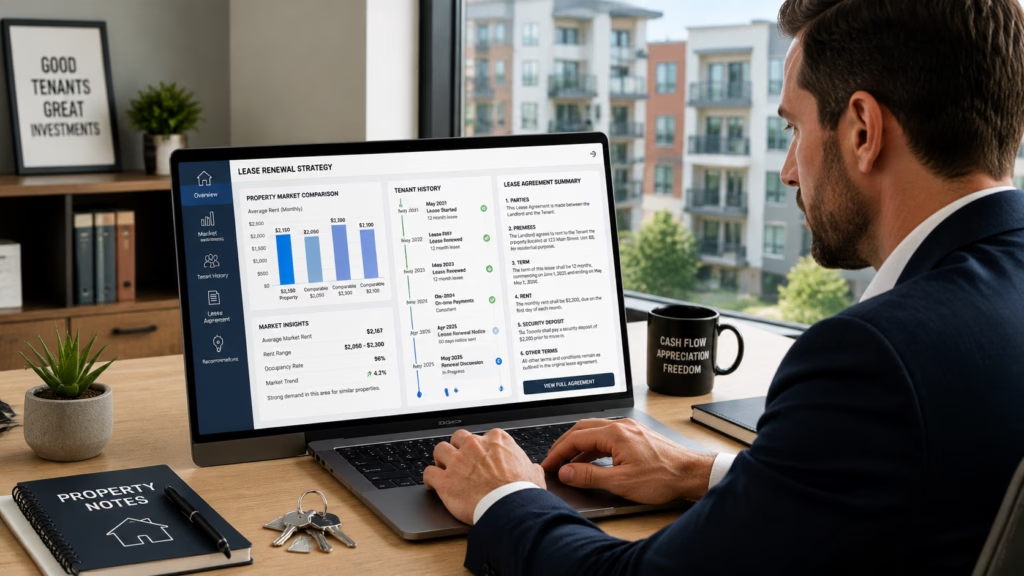
A rental property lease renewal strategy should not be a last-minute decision made a few days before the lease expires. It should be a planned review of rent, tenant performance, lease terms, property condition, and market demand. If you handle renewals casually, you may leave money on the table, keep the wrong tenant too long,…
Read MoreIs Your Rental Property Maintenance Budget Too Low?
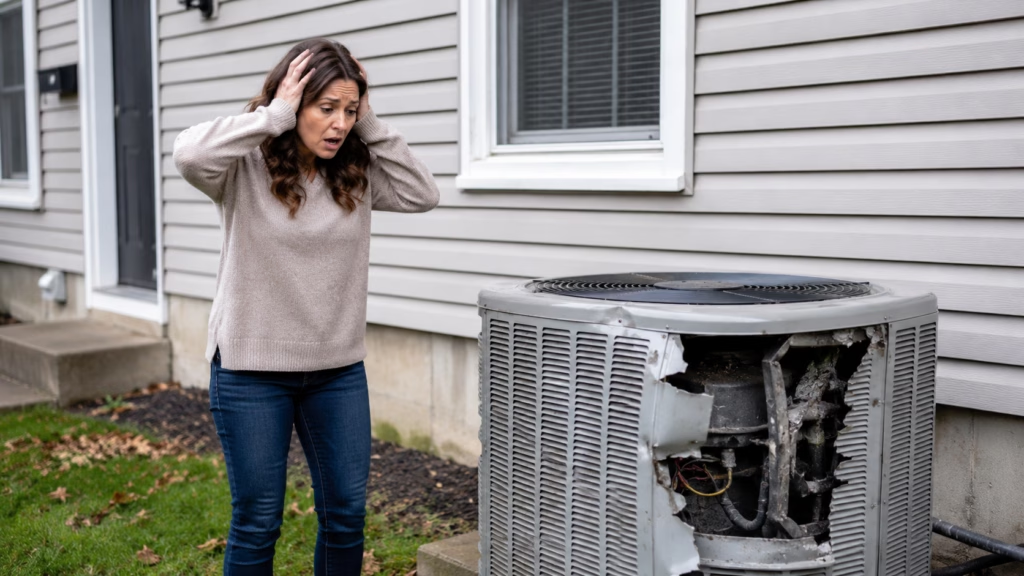
A rental property maintenance budget should do more than cover the occasional repair call. It should help you plan for routine wear, seasonal service, tenant turnover, and larger capital expenses before they create cash flow problems. If you own rental property, you already know repairs are part of the business. The harder question is whether…
Read MoreProperty Management Reporting for Owners

Property management reporting for owners should do more than summarize last month’s activity. A good monthly report helps you understand whether tenant screening is being done properly, rent is being collected, expenses are under control, maintenance is being handled properly, and small issues are starting to become larger problems. If you own rental property, you…
Read MoreRental Property Reserve Fund Guide

A rental property reserve fund is money set aside to protect the property and the owner when expenses do not arrive on a predictable schedule. Rent may come in monthly, but repairs, vacancies, insurance deductibles, and capital replacements rarely follow a neat calendar. A landlord who collects $2,000 per month in rent may feel profitable…
Read More