Single-Family Rental Maintenance Costs That Bite
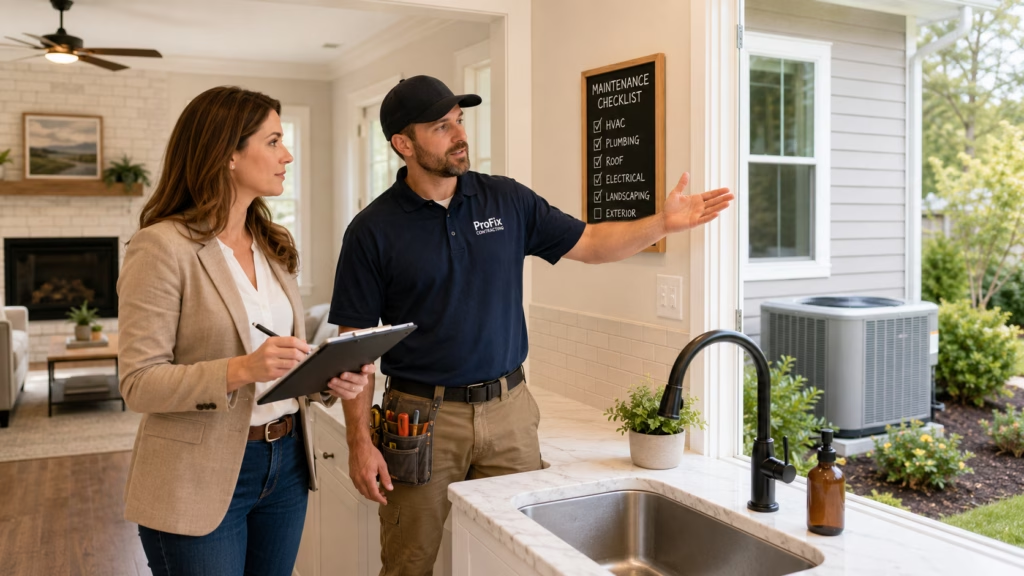
Single family rental maintenance costs can look manageable until one major system fails. A few small repairs may not seem serious, but HVAC service, roof issues, plumbing leaks, landscaping, tenant turnover, and reserve planning can quickly change your cash flow.
The challenge with a single-family rental is that one property carries the full burden. If the roof leaks, the whole asset is affected. If the HVAC stops working, the tenant may need immediate service. If the tenant moves out, your occupancy drops to zero until the property is ready and leased again.
You do not need to predict every repair perfectly. But you do need a maintenance budget that reflects the way a single-family rental actually operates.
Learn How Better Landlords Manage Better Rentals
Join our 2X weekly newsletter for clear, actionable guidance on property management, leasing, tenant issues, rental property operations, and real estate investing strategies you can actually use.
Price the Whole House, Not Just the Repair Call
A single-family rental is not just an interior unit. You are usually responsible for the structure, roof, yard, driveway, fencing, exterior paint, major systems, appliances, drainage, and sometimes trees or irrigation.
That makes the maintenance profile very different from a condo or apartment unit where the association or building owner may handle many exterior items. With an SFR, the landlord often owns the entire repair ecosystem.
Your annual maintenance planning should include three buckets: routine repairs, seasonal maintenance, and capital reserves. Routine repairs keep the tenant comfortable and the property functioning. Seasonal maintenance reduces preventable problems. Capital reserves prepare you for the larger replacements that do not happen every year but can erase cash flow when they arrive.
HVAC Can Become the Urgent Repair
Service Before Peak Season
HVAC is one of the most important cost categories for single-family rental owners. In hot and cold climates, a failed system can become urgent quickly. Tenants may tolerate a loose cabinet pull or dripping faucet for a short time, but they usually won’t tolerate no heat or no air conditioning during extreme weather.
A smart HVAC plan includes filter changes, seasonal service, condensate drain checks, outdoor unit clearance, thermostat checks, and documentation of tenant responsibilities. ENERGY STAR’s heating and cooling maintenance checklist recommends monthly filter checks and includes contractor tasks such as cleaning coils, checking refrigerant, and inspecting system controls.
Tenant Habits Affect Cost
Your lease should explain who changes filters, how often they must be changed, and whether proof is required. A neglected filter can reduce airflow, strain the system, and increase repair risk.
If the HVAC system is older, do not rely only on repair history. Track the system age, service calls, repair cost trend, and replacement estimate. Once annual repairs become frequent, replacement planning may be more rational than continuing to approve emergency fixes.
Roofs Are Quiet Until They Are Expensive
Inspect Before Leaks Show Up Inside
Roof costs can be deceptive because the roof may look fine from the ground until a storm, clogged gutter, failed flashing detail, or aging shingle exposes the problem.
You should not wait for a tenant to report ceiling stains. A seasonal exterior inspection can catch missing shingles, cracked sealant, damaged flashing, clogged gutters, tree contact, and drainage issues before interior damage begins.
The National Roofing Contractors Association advises homeowners to limit their own roof maintenance to safer tasks such as fall and spring visual inspections and gutter cleaning, while leaving repair or replacement work to trained roofing contractors. That guidance is directly relevant to landlords because roof safety and proper repair technique both matter when protecting a rental asset.
Roof Age Belongs in Your Reserve Plan
A roof replacement is not an ordinary maintenance item. It is a capital expense that should be anticipated years in advance.
For each single-family rental, track roof age, material type, visible condition, storm history, tree exposure, gutter condition, and any prior repairs. If the roof is nearing the end of its useful life, the property may still cash flow monthly, but the long-term reserve requirement is rising.
Plumbing Problems Can Spread Fast
Small Leaks Create Big Damage
Plumbing repairs are common in single-family rentals because tenants use every fixture in the home. Toilets, faucets, supply lines, shutoff valves, water heaters, disposals, hose bibs, and drain lines all create potential repair calls.
Water is especially dangerous because a small leak can spread into cabinets, flooring, drywall, baseboards, insulation, and mold concerns. The EPA WaterSense home maintenance guidance recommends regular checks for leaks, water heater issues, loose connections, corrosion, and sediment buildup.
Know Your High-Risk Plumbing Items
For SFR owners, the highest-risk plumbing items often include aging water heaters, old supply lines, running toilets, slow drains, exterior hose bibs, irrigation systems, and poorly maintained caulking around tubs or showers.
Your inspection checklist should include under-sink checks, toilet stability, visible water stains, water heater condition, drain speed, exterior water lines, and tenant reports of intermittent leaks. Intermittent problems are easy to ignore, but they often become larger failures.
Landscaping Is a Maintenance Cost, Not Decoration
Landscaping affects curb appeal, tenant satisfaction, HOA compliance, pest risk, drainage, and exterior preservation. It is not just cosmetic.
If the tenant is responsible for lawn care, your lease should be specific. “Maintain the yard” is vague. Better language explains mowing, watering, weeds, shrubs, irrigation, leaves, snow, debris, and HOA violations if applicable.
If you handle landscaping directly, budget for mowing, seasonal cleanup, tree trimming, irrigation repairs, mulch, weed control, and storm debris. Trees deserve special attention. Overhanging limbs can damage roofs, gutters, fences, vehicles, and neighboring property.
Turnover Repairs Hit SFR Owners Hard
One Vacancy Means Full Income Loss
In a single-family rental, turnover can be expensive because the entire property must be made ready before rent resumes. You may need cleaning, paint, flooring repairs, lock changes, appliance work, landscaping cleanup, junk removal, pest treatment, and safety checks.
Unlike a multifamily property, you do not have other occupied units offsetting the vacancy. Every day of downtime affects the full monthly rent.
Separate Wear From Damage
At move-out, separate normal wear, tenant-caused damage, deferred maintenance, and owner upgrades. This makes your accounting cleaner and helps avoid emotional decisions.
A move-out inspection should produce a repair scope, cost estimate, photo record, security deposit decision, and leasing timeline. The faster you define the work, the faster you can return the property to market.
Build a Reserve That Matches the Property
A strong SFR reserve is not based only on last year’s repairs. It should reflect system age, property condition, tenant profile, climate, and expected replacement timing.
At a minimum, track HVAC, roof, water heater, appliances, flooring, exterior paint, plumbing, electrical, fencing, driveway, landscaping, and major drainage items. For each category, estimate current condition, likely replacement window, and replacement cost.
You can keep this simple. A spreadsheet is enough. What matters is that you stop treating predictable replacements as surprises.
Final Thoughts
Single family rental maintenance costs are not limited to the repair calls you receive each month. The real cost includes HVAC readiness, roof preservation, plumbing risk, landscaping, turnover work, and long-term reserve planning.
When you budget for the full property, you make better decisions. You can respond faster to tenant issues, reduce emergency repairs, price renewals more accurately, and protect the property’s long-term value.
A single-family rental can be a strong investment, but only if the maintenance budget reflects the whole house.