Normal Wear or Tenant Damage? Know the Difference
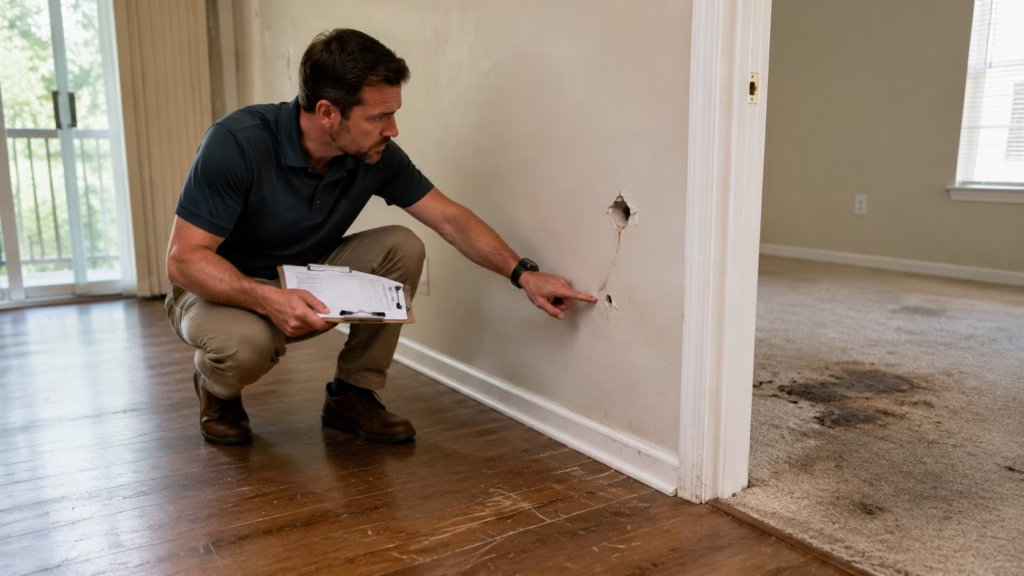
Normal wear and tear versus damage is one of the most disputed parts of rental property management. At move-out, you may see stained carpet, marked walls, worn flooring, loose fixtures, or damaged landscaping. The difficult part is deciding which costs belong to you and which may be charged to the tenant.
The distinction is not based only on whether the property looks worse than it did at move-in. Rental homes naturally deteriorate through ordinary use. Your decision should consider what caused the condition, how severe it is, how old the item was, and whether the tenant used the property reasonably.
A defensible process helps you avoid improper security-deposit deductions while still holding tenants responsible for actual damage.
Gain Confidence as a Landlord or Investor
Sign up for our 2X weekly newsletter and receive useful tips on property management, rental property investing, landlord best practices, and tools that help you manage smarter.
Judge the Condition by Cause, Age, and Severity
There is no single national list that classifies every mark, stain, or broken item. State law, local rules, lease terms, and the facts of the tenancy all matter.
You can still make a more consistent initial assessment by asking three questions.
Did the condition develop through ordinary use?
Faded paint, worn carpet paths, minor floor scuffs, and aging grout often develop even when a tenant uses the property responsibly.
Was the condition caused by misuse, neglect, or an avoidable incident?
Large wall holes, carpet burns, broken doors, pet urine damage, missing fixtures, and cracked surfaces caused by impact are more likely to qualify as tenant damage.
How much useful life remained?
An item’s age affects the financial calculation. A tenant who damages nearly new carpet may be responsible for a meaningful portion of its replacement cost. If the carpet was already at the end of its expected life, charging the tenant for brand-new flooring may be difficult to justify.
Official guidance follows the same general distinction. The California Courts security-deposit guide, for example, separates tenant-caused damage from ordinary deterioration and limits cleaning deductions to restoring the unit to its move-in level of cleanliness.
A Room-by-Room Comparison
The following examples provide a practical starting point. They are not substitutes for the rules in your jurisdiction.
| Area | More likely normal wear | More likely tenant damage |
|---|---|---|
| Walls | Faded paint, light scuffs, small marks from ordinary occupancy | Large holes, unauthorized paint, heavy staining, drawings, impact damage |
| Carpet | Flattened traffic paths, gradual fading, ordinary aging | Burns, large stains, pet urine, tears, missing sections |
| Hard flooring | Light surface scratches and gradual finish wear | Deep gouges, broken boards, water damage caused by an unreported spill or leak |
| Doors | Loose hardware from age, minor rubbing or sticking | Punch holes, cracked panels, broken locks from misuse |
| Kitchen | Worn cabinet finish, aging appliance parts, minor countertop wear | Burned counters, broken cabinet doors, missing shelves, damaged appliances from misuse |
| Bathroom | Aging caulk, faded grout, worn fixture finish | Broken tiles, damaged toilet from improper use, severe mold linked to unreported water problems |
| Windows and blinds | Faded blinds, worn cords, age-related operation problems | Bent slats, torn screens, broken glass caused by impact |
| Yard | Seasonal thinning, ordinary plant loss, weather-related wear | Neglected mowing, pet destruction, damaged irrigation, removed plants |
| Cleaning | Minor dust or signs of routine occupancy | Excessive trash, heavy grease, animal waste, abandoned belongings, unusual odor remediation |
Context can change the result. A few picture-hook holes may be ordinary in one jurisdiction or lease setting, while numerous anchors or large mounting holes may cross into damage. A slow drain may result from aging plumbing or from prohibited materials placed into the system.
Avoid making the decision from appearance alone. Identify the likely cause.
Separate Cleaning From Physical Damage
Cleaning charges often become mixed together with damage deductions, but they should be evaluated separately.
A dirty oven is not necessarily damaged. A stained carpet may need cleaning rather than replacement. Abandoned furniture creates removal costs but does not automatically mean the unit itself was damaged.
Your comparison point should usually be the documented condition at the beginning of the tenancy—not a newly renovated or professionally staged standard that did not exist when the tenant moved in.
If the property was handed over with worn paint, an older carpet, and imperfect cleaning, you should not charge the departing tenant to return it in better condition than they received it.
This is why your move-in report matters. Without photographs and written notes, arguments about cleanliness become subjective.
Charge for the Loss, Not the Upgrade
When tenant damage requires replacement, the cost of a new item may not equal the amount fairly attributable to the tenant.
Suppose carpet has an expected useful life of five years. The carpet was two years old at move-in, the tenant occupied the property for two years, and severe pet damage now requires replacement. At move-out, the carpet had approximately one year of expected life remaining.
If replacement costs $2,500, charging the tenant the full $2,500 could give you new carpet in place of flooring that was already mostly used up.
A simple remaining-life calculation
You can estimate the depreciated value using:
Replacement cost × remaining useful life ÷ total useful life
Using the example:
$2,500 × 1 remaining year ÷ 5 years = $500
That does not establish the legally permitted deduction in every jurisdiction, but it provides a more rational starting point than charging the full replacement price.
Minnesota Housing’s damage guide similarly distinguishes worn materials from extraordinary damage and uses expected life spans when evaluating replacement charges.
Keep records showing the original installation date, invoice, condition before the tenancy, expected useful life, and replacement cost. Without those details, your calculation is harder to support.
Build the Evidence Before Move-Out

The best time to prepare for a security-deposit decision is at move-in, not after the tenant returns the keys.
At move-in: Complete a signed condition report and take dated photographs or video. Record existing stains, scratches, worn finishes, appliance condition, landscaping issues, and missing items.
During the tenancy: Keep inspection reports, repair requests, vendor notes, and tenant communications. If a tenant reports a leak promptly, resulting deterioration may need to be evaluated differently from damage caused by ignoring the problem.
Before move-out: Provide any inspection opportunity, cleaning guidance, or notice required locally. Give the tenant a reasonable chance to address correctable issues when the law or lease calls for it.
After possession is returned: Photograph each condition before repairs or cleaning begin. Collect invoices, estimates, labor records, and receipts. Connect every proposed deduction to a specific condition and cost.
Massachusetts, for example, requires landlords making damage deductions to provide detailed information and written evidence of actual or estimated repair costs. Its security-deposit guidance demonstrates why a vague statement such as “repairs and cleaning” is weaker than an itemized record.
Avoid Automatic Turnover Charges
Blanket charges can create problems even when they appear in a lease or move-out form.
Be cautious about automatically charging every tenant for carpet cleaning, repainting, light bulbs, filter replacement, or a fixed “turnover fee.” Some of those costs may be ordinary operating expenses, may reflect the age of the item, or may be restricted by local law.
Instead, connect the charge to actual work made necessary by the tenant’s condition of the property.
Compare these two descriptions:
Weak: General cleaning — $450
Stronger: Remove abandoned food and trash, degrease oven and range hood, clean excessive residue from refrigerator, and sanitize pet-waste area — vendor invoice attached
The second description explains what was done, why it exceeded routine turnover, and how the amount was established.
Keep Maintenance Failures Out of the Tenant’s Column
A tenant should not be charged for problems caused by property age, defective materials, poor installation, deferred maintenance, or conditions you failed to repair.
Peeling paint may result from age or moisture behind the wall. A cracked tile may result from a weak subfloor. Repeated drain backups may indicate an aging sewer line. Mold may be connected to a roof leak or ventilation problem rather than tenant behavior.
Investigate the source before assigning responsibility.
You should also distinguish delayed reporting from the original defect. A pipe may fail through no fault of the tenant, but additional cabinet or flooring damage could result if the tenant notices active water and does not report it. The facts and documentation will determine how responsibility should be evaluated.
Make the Decision Defensible
Normal wear and tear versus damage is not simply a choice between “old” and “broken.” You need to consider ordinary use, tenant conduct, property condition, item age, remaining useful life, and the evidence available.
Use consistent inspections. Photograph the property at move-in and move-out. Keep maintenance records. Obtain itemized invoices. Account for depreciation when replacement creates a better or newer item than the tenant damaged.
Most importantly, check the security-deposit rules where the property is located. Deadlines, permitted deductions, inspection rights, documentation standards, and penalty provisions vary.
When your decision is supported by condition records and reasonable calculations, you are better positioned to recover legitimate damage costs without treating normal rental ownership expenses as tenant obligations.