New Landlord Tips for First-Time Property Owners
Becoming a landlord for the first time is a major step toward building long-term wealth, but it also comes with responsibilities that many new investors underestimate. These new landlord tips are designed to help you avoid common mistakes, manage your property effectively, and create a strong foundation for success.
While owning rental property can generate steady income and appreciation over time, the difference between a profitable investment and a stressful experience often comes down to preparation and execution.
Understand Your Legal Responsibilities
One of the most important new landlord tips is to fully understand the legal framework governing rental properties. Landlord-tenant laws vary by state and local jurisdiction, and failing to comply can lead to fines, disputes, or even lawsuits.
Key areas to focus on include lease agreements, security deposit handling, eviction procedures, and fair housing compliance. The U.S. Department of Housing and Urban Development provides guidance on fair housing laws, which every landlord must follow.
Taking the time to understand these requirements upfront will protect you and help establish a professional relationship with your tenants.
Screen Tenants Thoroughly
Tenant selection is one of the most critical factors in your success as a landlord. A well-screened tenant is far more likely to pay rent on time, take care of the property, and stay longer.
A strong screening process typically includes:
- Reviewing credit history and income verification
- Checking rental history and references
- Conducting background checks where permitted
Consistency is essential. Applying the same screening criteria to every applicant helps ensure fairness and reduces legal risk.
Set the Right Rent Price

Pricing your rental correctly is essential for balancing occupancy and profitability. Setting the rent too high can lead to extended vacancies, while pricing too low reduces your return.
Research comparable properties in your area and consider factors such as location, property condition, and included amenities. Data from sources like the Zillow Research platform can help you understand local rental trends and pricing benchmarks.
The goal is to find a competitive rate that attracts qualified tenants while maximizing income.
Create a Strong Lease Agreement
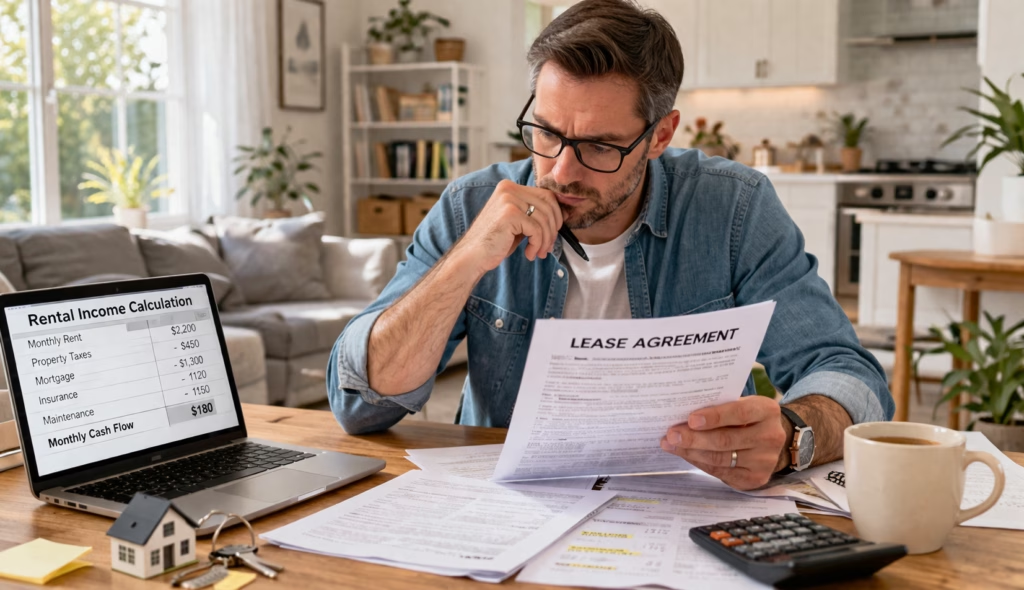
A clear and comprehensive lease agreement sets expectations and reduces the likelihood of disputes. It should outline all key terms, including rent amount, due dates, maintenance responsibilities, and policies on late payments.
Avoid using overly generic templates without customization. Instead, ensure your lease reflects your specific property and complies with local laws. When in doubt, consulting a real estate attorney can provide added protection.
Plan for Maintenance and Repairs
Maintenance is an unavoidable part of being a landlord, and planning for it in advance can prevent small issues from becoming major expenses.
Budgeting for ongoing maintenance is one of the most practical new landlord tips. Many investors set aside a percentage of rental income each month to cover repairs and unexpected costs.
Being proactive with maintenance also improves tenant satisfaction and reduces turnover, which directly impacts your bottom line.
Establish Clear Communication with Tenants
Strong communication helps build trust and prevents misunderstandings. From the beginning of the tenancy, make it clear how tenants should report issues, ask questions, and make payments.
Responding promptly to concerns shows professionalism and encourages tenants to treat the property with respect. It also helps identify and resolve problems before they escalate.
Keep Detailed Financial Records
Accurate record-keeping is essential for tracking performance and preparing for tax season. As a landlord, you should maintain organized records of:
- Rental income
- Operating expenses
- Maintenance and repair costs
- Lease agreements and tenant communications
Tools and guidance from the Internal Revenue Service can help you understand how to properly report rental income and expenses.
Good records not only simplify tax filing but also provide valuable insight into your property’s financial performance.
Consider Professional Property Management
Managing a property on your own can be time-consuming, especially if you have multiple units or live far from your rental. Hiring a property management company can help streamline operations and reduce day-to-day responsibilities while keeping expenses under control.
While this comes at a cost, professional management can improve tenant retention, ensure legal compliance, and provide consistent oversight. For many first-time landlords, it offers peace of mind and a more passive investment experience.
Prepare for Vacancies

Even well-managed properties experience vacancies. Planning for these periods is an important part of financial stability.
Maintaining a reserve fund can help cover mortgage payments and expenses during vacancy periods. Additionally, keeping your property in good condition and pricing it competitively will reduce downtime between tenants.
Think Long-Term
One of the most valuable new landlord tips is to approach rental property as a long-term investment. Short-term challenges are inevitable, but consistent management and strategic decision-making can lead to strong returns over time.
Focus on building equity, maintaining your property, and improving tenant relationships. Over time, these efforts contribute to both financial growth and a more stable investment.
Want To Skip the Costly Learning Curve in Real Estate Investing and Property Management?
Access comprehensive real estate investing guides written by a CCIM-certified expert with over three decades of experience.

Discover the secret to stress-free property management with How To Find & Keep Great Tenants.
This essential guide reveals proven strategies for attracting high-quality renters and creating long-term, mutually beneficial relationships.
But finding great tenants is only half the battle….
Uncover the art of tenant retention, from creating a positive living environment to addressing concerns promptly and professionally.
With this book, you’ll transform your rental property into a sought-after home that tenants won’t want to leave.
Minimize vacancies, reduce turnover costs, and maximize your investment’s potential by mastering the skills to find and keep exceptional tenants.