Tenant Management
Real Estate Rental Management: Essential Guide for Landlords

Managing rental properties requires juggling responsibilities such as rent collection, tenant screening, repairs, and financial record-keeping. Whether you own a single-family home or manage a portfolio, effective property management directly impacts profitability and long-term asset value. Real estate rental management covers operational activities needed to maintain and optimize rental properties, including tenant relations, financial tracking,…
Read MoreHow to Remotely Manage Real Estate
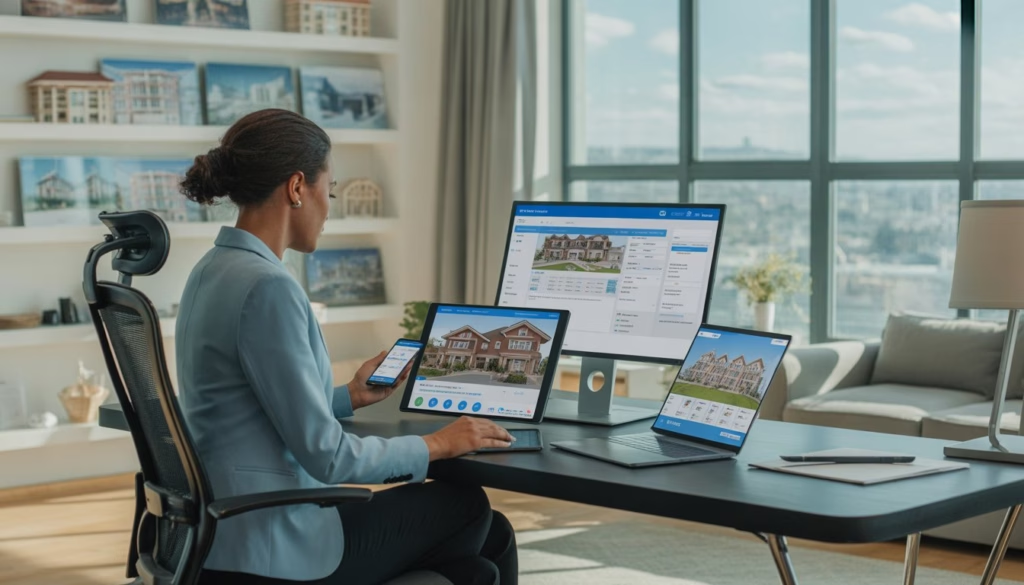
Owning rental properties in different cities or states can expand your investment portfolio, but managing assets from afar requires effective systems to maintain property standards and tenant satisfaction. To manage rental properties remotely, build a reliable local team, automate routine tasks with technology, and establish clear communication channels with tenants and service providers. Managing property…
Read MoreWhat Is a Modified Gross Lease? CRE Guide

A modified gross lease is a commercial rental agreement where landlords and tenants share responsibility for operating expenses. Unlike traditional gross leases when landlords cover all costs or net leases where tenants bear most expenses, this hybrid approach splits costs like utilities, property taxes, and maintenance between both parties. In a modified gross lease, you…
Read MoreMixed-Use Development in Real Estate: Modern Urban Solutions

Developers and investors increasingly recognize the value of combining multiple property types within single developments. Mixed-use real estate integrates residential, commercial, retail, and office spaces into unified projects that serve diverse community needs while creating more profitable investments. These properties have become mainstream development strategies across cities of all sizes. Rising land costs and evolving…
Read MoreSmart Building Technology Secrets Big Firms Use
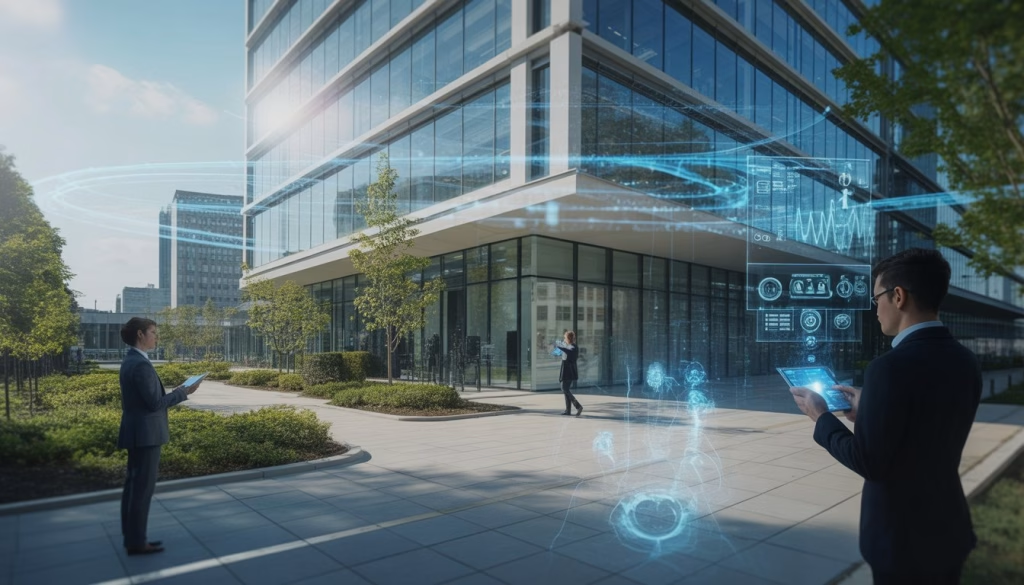
Smart buildings revolutionize how structures operate by integrating Internet of Things sensors, artificial intelligence, and automation systems to create self-regulating environments. Smart buildings are self-regulating, energy-efficient, and data-driven powerhouses that adapt to occupants’ needs in real time while optimizing energy consumption and operational costs. These intelligent structures go far beyond basic automation by converging various…
Read MoreHow Gross Rent Lease Works: A Complete Guide

A gross lease is a commercial lease where the tenant pays a flat fee that encompasses rent and all costs associated with ownership. This lease structure shifts the responsibility of operating expenses like property taxes, insurance, utilities, and maintenance from the tenant to the landlord. Understanding how gross leases work will help your commercial space…
Read MoreAdvanced Foreclosure Portfolio Management Strategies

Managing a foreclosure portfolio requires a systematic approach that differs significantly from traditional rental property management. Successful foreclosure portfolio management centers on developing well-defined exit strategies, maintaining detailed operational systems, and implementing risk mitigation techniques that protect capital while maximizing returns across multiple distressed properties. Most real estate investors either avoid foreclosures entirely or jump…
Read MoreWhy Choose a Gross Lease in Commercial Real Estate?

A gross lease is a commercial lease where the tenant pays a flat fee that covers rent and most property-related expenses. In this structure, the landlord assumes responsibility for taxes, insurance, utilities, and maintenance costs, streamlining payments for tenants. This lease type provides tenants with predictable monthly expenses and reduces the administrative burden of managing…
Read More