Maintenance & Repairs
Carrying Costs in Real Estate: A Complete Investor Guide

If you’re investing in property, understanding all the expenses that come with ownership is essential for protecting your profits and making strategic decisions. Carrying costs in real estate are the recurring expenses you must pay to maintain your investment property, such as mortgage payments, taxes, insurance, utilities, and HOA fees. These ongoing costs continue for…
Read MoreWhy 3D Printing in CRE Construction is A Game Changer
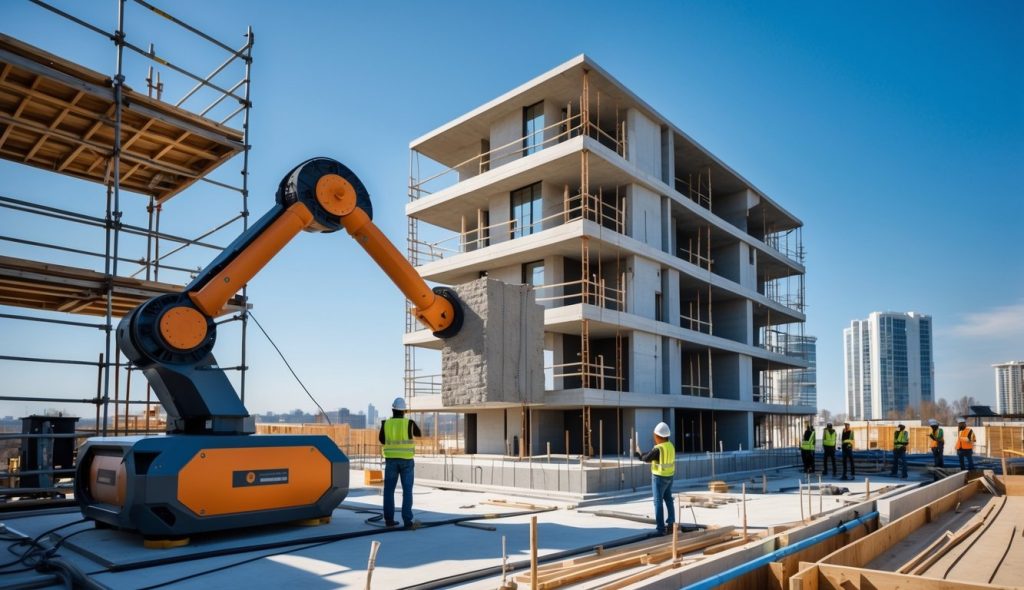
3D printing is changing the landscape of commercial real estate construction by rapidly producing three-dimensional objects, significantly cutting costs and timelines. As you look for innovative ways to streamline construction and boost project efficiency, this technology stands out as a practical tool for developers, property owners, and investors. Instead of relying solely on traditional building…
Read MoreHow to Vet Contractors for Your Next Flip Project

Choosing the right contractor can make or break your next flip project. You need a proven process to evaluate experience, communication, licensing, and pricing before anyone steps onto your property. If you skip this step, you risk costly delays, poor workmanship, and even legal problems that could eat into your profits. The best investors know…
Read More70% Rule in Real Estate: A Practical Guide for Property Investors

If you’re looking for a straightforward way to analyze real estate investments, the 70% rule can be a handy shortcut. The 70% rule says you shouldn’t pay more than 70% of a property’s after-repair value (ARV), minus the cost of needed repairs, when flipping a house. By sticking to this, you can get a sense…
Read MoreBeginner’s Guide to Real Estate SaaS Implementation

Whether you’re investing, managing, or leasing properties, adopting real estate SaaS can really shake up how you run your business. These cloud-based platforms bring together lead management, property listings, client communications, and portfolio tracking—all in one spot. They’ve become almost essential if you want to stay competitive and efficient in today’s real estate world. Maybe…
Read MoreSmart Home Solutions for Real Estate Investors: Boosting ROI

If you’re searching for practical ways to grow your real estate portfolio’s value, smart home technology is quickly shifting from a luxury to a must-have for investors who want to stay ahead. Adding smart home solutions to your properties can boost your returns, lower operational costs, and attract tenants who’ll pay a premium for convenience.…
Read MoreHow to Maximize ROI on Your Mixed Use Property Investment

Investing in mixed-use properties offers a unique opportunity to diversify your real estate portfolio while maximizing potential returns. These versatile properties combine multiple uses – like retail, residential, and office space – all within a single development, creating vibrant spaces that serve various community needs. Your mixed-use property investment can generate multiple income streams, with…
Read MoreReal Estate Flipping Business: A Complete Guide to Getting Started

Starting a real estate flipping business can be an exciting and profitable venture when done correctly. A successful house flipping business requires identifying undervalued properties, renovating them efficiently, and selling them quickly for a profit. The key to success lies in building the right team and understanding the market dynamics. You’ll need to work with…
Read More