Accounting
Real Estate Chart of Accounts: The Ultimate Guide

Whether you manage one rental or oversee multiple investment properties, a real estate chart of accounts is an essential tool for keeping your finances organized. A well-structured real estate chart of accounts gives you a clear picture of your income, expenses, assets, and liabilities, making it easier to track performance and make informed decisions. This…
Read MoreExcel for Real Estate: Secrets Every Investor Should Know
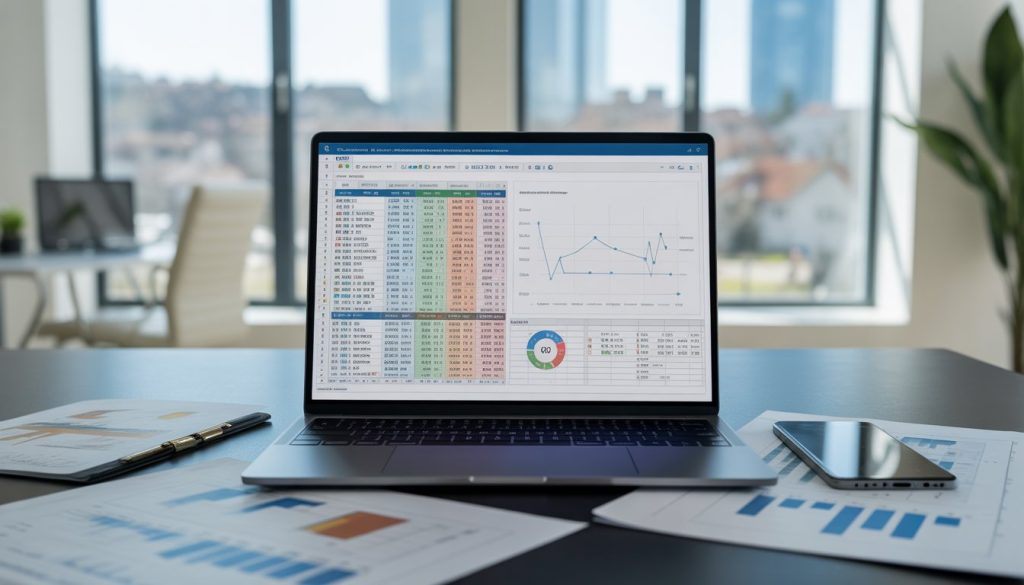
With the right Excel tools, you can streamline everything from evaluating deals to tracking expenses and forecasting returns. Whether you’re an experienced investor or a DIY owner, mastering these Excel techniques empowers you to make informed decisions and optimize your real estate portfolio. From custom spreadsheets for commissions and market analysis to free templates for…
Read MoreHow to Calculate Net Income in Real Estate

Understanding how to calculate net income in real estate is essential if you want to assess the true profitability of your property investments. Net income in real estate is the amount left after subtracting all operating expenses, including maintenance, property management, and taxes, from your total property revenue. Knowing this number helps you make informed…
Read MoreGross Income in Real Estate vs. Net Income: Key Differences

When evaluating real estate investments, understanding gross income is essential for making informed decisions and comparing properties apples to apples. Gross income in real estate refers to the total revenue a property generates from all sources before any expenses or deductions are made. This figure gives you a straightforward measure of a property’s income potential,…
Read MoreHow a Cost Segregation Study Boosts Cash Flow

If you’re looking for a way to maximize returns on your investment properties, consider how a cost segregation study can make a significant impact on your bottom line. A cost segregation study allows you to accelerate depreciation on certain parts of your real estate, which can lead to substantial tax savings and increased cash flow.…
Read MoreReal Estate Bookkeeping Best Practices for Landlords Explained

Staying on top of your finances as a landlord is critical, but mastering real estate bookkeeping can feel overwhelming without the right systems in place. Effective real estate bookkeeping helps you monitor income, control expenses, and ensures you stay compliant with tax laws and reporting requirements. Unlike general accounting, real estate bookkeeping is focused on…
Read MoreIs Your Real Estate Pro-Forma Accurate Enough?

A real estate pro-forma is one of the most important tools you have for projecting the future performance of your property investments. A pro-forma provides a detailed forecast of your property’s expected income, expenses, and cash flow, helping you evaluate risk and opportunity before you invest. When your decisions depend on accurate data, even small…
Read MoreSurprising Tax Benefits of Rental Property You Should Know

Investing in rental properties offers significant tax advantages that can boost your bottom line and build long-term wealth. Rental property owners can deduct expenses like mortgage interest, property taxes, maintenance costs, and depreciation from their rental income, reducing their overall tax burden while generating passive income. All rental income must be reported on your tax…
Read More