Posts Tagged ‘Landlords’
Dubai Leads the Way in Real Estate Tokenization Revolution

Dubai is revolutionizing property investment through blockchain technology, making real estate ownership more accessible and efficient than ever before. The Dubai Land Department has launched a real estate tokenization pilot project that will transform property title deeds into digital tokens, with projections indicating a $16 billion market by 2033. This groundbreaking initiative enables you to…
Read MoreBeat the Competition with Superior Rental Property Comps

Setting the right rental price can make or break your real estate investment success. Rental comps help investors analyze similar properties to determine optimal pricing and maximize returns. Using accurate rental property comparables enables you to price your units competitively while maintaining healthy profit margins. Professional investors use specialized tools like Rentometer, RentCast, and Zillow…
Read MoreHow to Maximize ROI on Your Mixed Use Property Investment

Investing in mixed-use properties offers a unique opportunity to diversify your real estate portfolio while maximizing potential returns. These versatile properties combine multiple uses – like retail, residential, and office space – all within a single development, creating vibrant spaces that serve various community needs. Your mixed-use property investment can generate multiple income streams, with…
Read MoreCMBS Distress Rate Drops: What Investors Need to Know
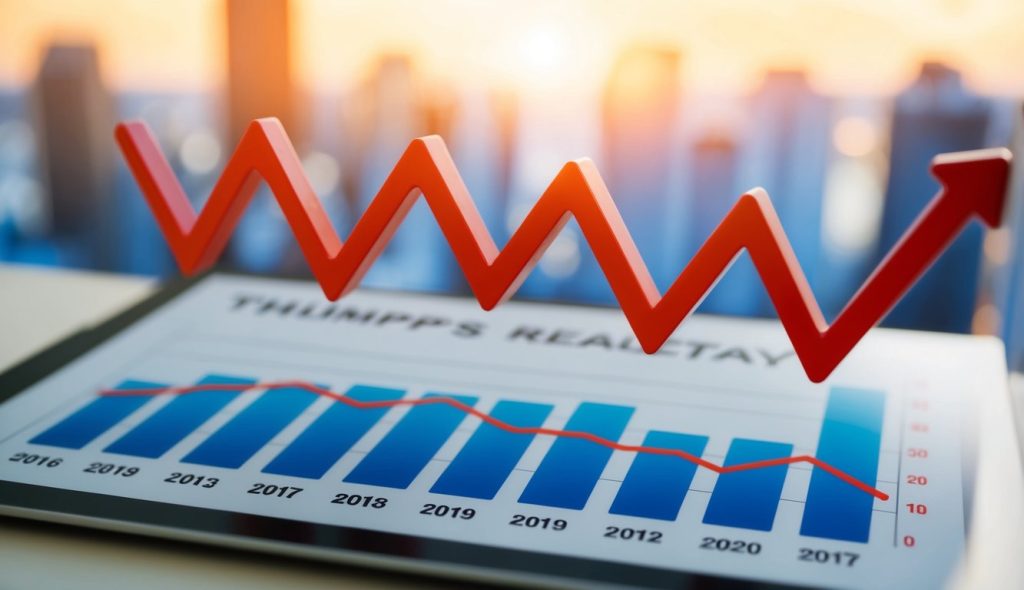
Commercial mortgage-backed securities (CMBS) serve as vital financial instruments that provide liquidity to the real estate market. Recent market data reveals a promising trend as the CMBS distress rate declined to 10.6% in March 2025, marking the second consecutive monthly decrease and signaling potential market stabilization. The commercial real estate landscape continues to evolve, with…
Read MoreRental Property Portfolio Secrets: What No One Tells You

Building a real estate portfolio requires more than just purchasing properties and collecting rent checks. Many aspiring investors focus solely on acquisition while overlooking crucial elements that determine long-term success. Your rental property portfolio success depends on strategic planning, proper financial structuring, and implementing systems that allow for sustainable growth. The path to creating wealth…
Read MoreHow to Set Fair Market Rent Prices That Attract Quality Tenants

Setting the right rental price for your investment property requires understanding fair market rent – the amount a property would typically rent for in your local market. As a property owner, pricing your rental strategically helps maximize returns while maintaining competitive occupancy rates. The rental amount you choose directly impacts your property’s profitability and ability…
Read MoreHow to Spot Promising Hybrid Office Space Opportunities

The commercial real estate landscape continues to evolve as hybrid office spaces reshape traditional workplace environments. These innovative spaces reflect a fundamental shift in how businesses operate, creating exciting opportunities for real estate investors in 2025. A hybrid office space combines flexible workstations, collaborative areas, and traditional office layouts to create a versatile workspace environment…
Read MoreTrump Tariffs Recession Impact on Real Estate Investors

Recent tariff policies are reshaping the economic landscape, with significant implications for real estate investors. Rising construction costs and market uncertainties are creating new challenges and opportunities in property markets across the country. The combination of tariffs and economic pressures has led to falling mortgage rates, yet housing costs remain elevated due to increased material…
Read More