Posts Tagged ‘Landlords’
Top 10 Landlord Bookkeeping Mistakes to Avoid

Landlord bookkeeping mistakes can quietly create tax problems, cash-flow confusion, missed deductions, and poor investment decisions. Many rental owners focus on finding tenants, collecting rent, and handling repairs, but the financial recordkeeping behind the rental is just as important. Good bookkeeping does not need to be complicated. A landlord with one or two properties can…
Read MoreLease Extension Agreement Guide for Landlords + Free Template

A lease extension agreement is a practical document landlords can use when both parties want the tenant to remain in the rental property beyond the original lease end date. Instead of drafting an entirely new lease, the landlord and tenant agree to extend the existing lease for a specific additional period, often with limited changes.…
Read More10 Rental Property Cash Flow Killers to Watch

Rental property cash flow killers are the expenses, delays, and management problems that quietly reduce the money an owner keeps each month. A rental property may look profitable on paper, but small leaks in the numbers can turn a good investment into a weak one. The challenge is that cash flow problems do not always…
Read MoreTenant Screening Red Flags Landlords Should Know
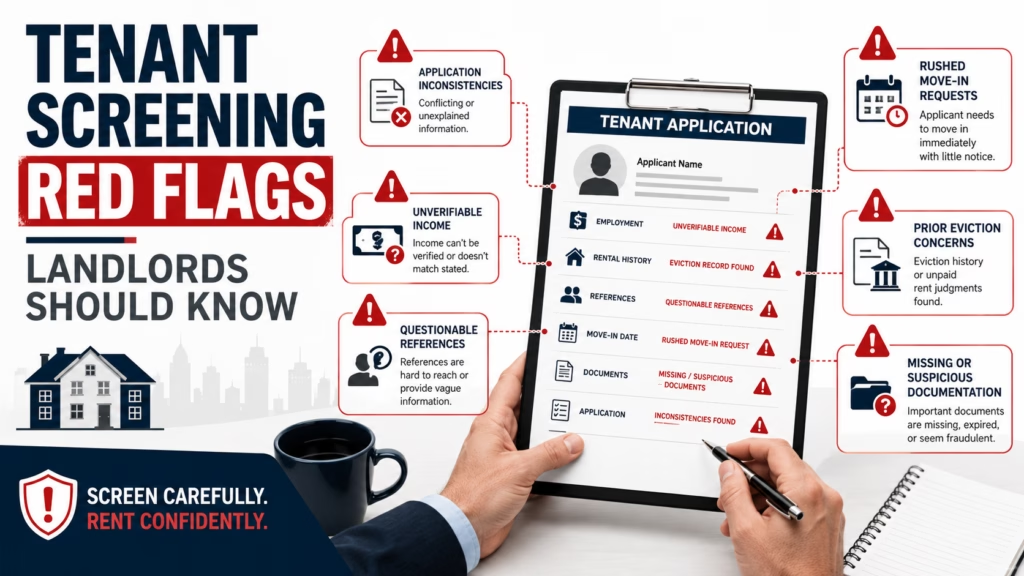
Tenant screening red flags are warning signs that an applicant may create financial, legal, or management problems after moving into a rental property. These red flags do not always mean the applicant should be denied. They do mean the landlord should slow down, verify the information, and apply the same written screening standards to every…
Read MoreProperty Management Owner Portal Guide

A property management owner portal should give rental property owners a clear view of what is happening financially and operationally with their properties. That may mean a portal provided by a professional property management company, or it may mean a landlord app or rental management platform used by a self-managing owner. The purpose is the…
Read MoreHow to Write and Send a Rent Increase Notice [Free Download]

Raising rent is a normal part of owning rental property, but the way a landlord handles the increase matters. A clear, professional rent increase notice gives the tenant time to review the new rent amount, ask questions, and decide whether to renew or move out. A rent increase should never be handled casually by text…
Read MoreLandlord Self Management Mistakes That Cost Owners Money

Self-managing a rental property can be a smart financial decision. Many landlords choose this route to avoid monthly property management fees, stay closer to the asset, and maintain direct control over tenant relationships. That can work well, especially for organized owners with one or two properties. The problem is that self-management only saves money when…
Read MoreRental Property Expenses Spreadsheet for Landlords + Free Download

A rental property expenses spreadsheet is one of the simplest tools a landlord can use to stay organized, protect cash flow, and prepare cleaner records for tax season. Even if you only own one rental home, expenses can quickly become difficult to track once mortgage payments, repairs, utilities, insurance, property taxes, and tenant-related costs start…
Read More