Posts Tagged ‘Property Managers’
Rental Property Reserve Fund Guide

A rental property reserve fund is money set aside to protect the property and the owner when expenses do not arrive on a predictable schedule. Rent may come in monthly, but repairs, vacancies, insurance deductibles, and capital replacements rarely follow a neat calendar. A landlord who collects $2,000 per month in rent may feel profitable…
Read MoreTenant Screening Red Flags Landlords Should Know
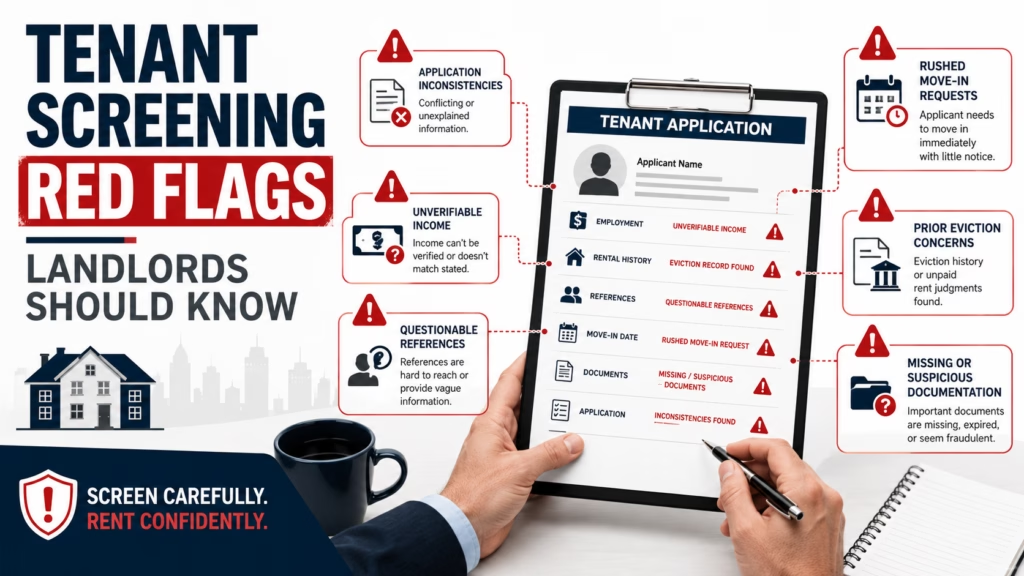
Tenant screening red flags are warning signs that an applicant may create financial, legal, or management problems after moving into a rental property. These red flags do not always mean the applicant should be denied. They do mean the landlord should slow down, verify the information, and apply the same written screening standards to every…
Read MoreProperty Management Owner Portal Guide

A property management owner portal should give rental property owners a clear view of what is happening financially and operationally with their properties. That may mean a portal provided by a professional property management company, or it may mean a landlord app or rental management platform used by a self-managing owner. The purpose is the…
Read MoreHow to Write and Send a Rent Increase Notice [Free Download]

Raising rent is a normal part of owning rental property, but the way a landlord handles the increase matters. A clear, professional rent increase notice gives the tenant time to review the new rent amount, ask questions, and decide whether to renew or move out. A rent increase should never be handled casually by text…
Read MoreRental Property Expenses Spreadsheet for Landlords + Free Download
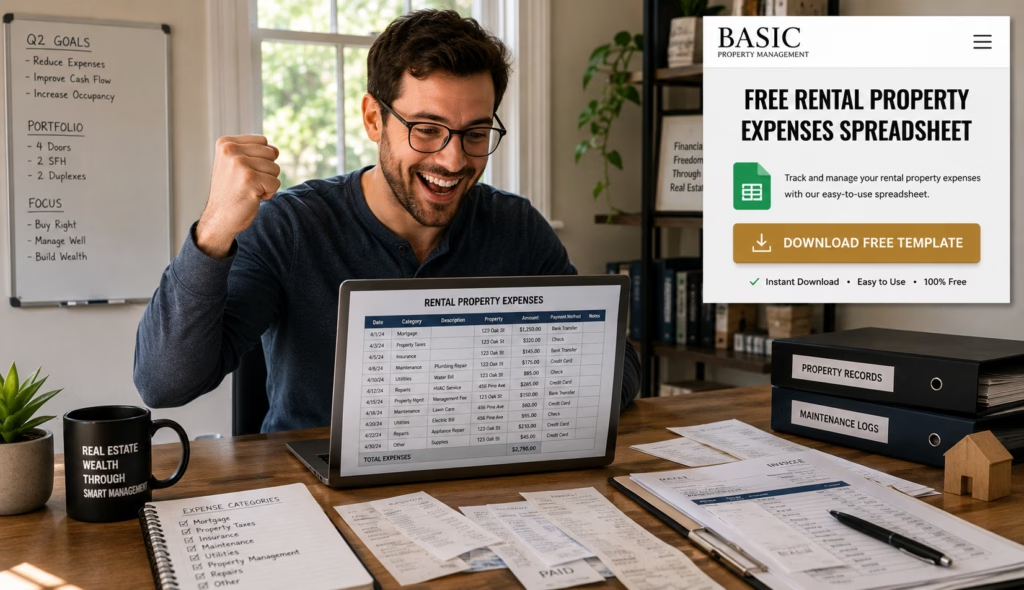
A rental property expenses spreadsheet is one of the simplest tools a landlord can use to stay organized, protect cash flow, and prepare cleaner records for tax season. Even if you only own one rental home, expenses can quickly become difficult to track once mortgage payments, repairs, utilities, insurance, property taxes, and tenant-related costs start…
Read MoreOpen House Sign In Sheet for Landlords

An open house sign in sheet is one of the simplest tools a landlord can use to make a rental showing more organized, professional, and productive. It helps you record who visited the property, collect contact information, improve safety, and follow up with prospective tenants after the open house. Many landlords treat an open house…
Read MoreLease Renewal Letter Guide for Landlords [Free Template]

A lease renewal letter is one of the simplest tools a landlord can use to reduce vacancy, protect rental income, and keep tenant communication organized. Instead of waiting until the lease is about to expire, a renewal letter gives both the landlord and tenant enough time to decide what happens next. For landlords, the goal…
Read MoreRental Property Owner Statements Explained

Rental property owner statements are one of the most important financial reports a landlord receives from a property manager. They show what happened financially during the reporting period: rent collected, expenses paid, management fees deducted, reserves held, and money distributed to the owner. For landlords who use professional property management, the owner statement is the…
Read More