Posts Tagged ‘Property Managers’
How to Write Landlord Utility Agreement With Tenants [Template]
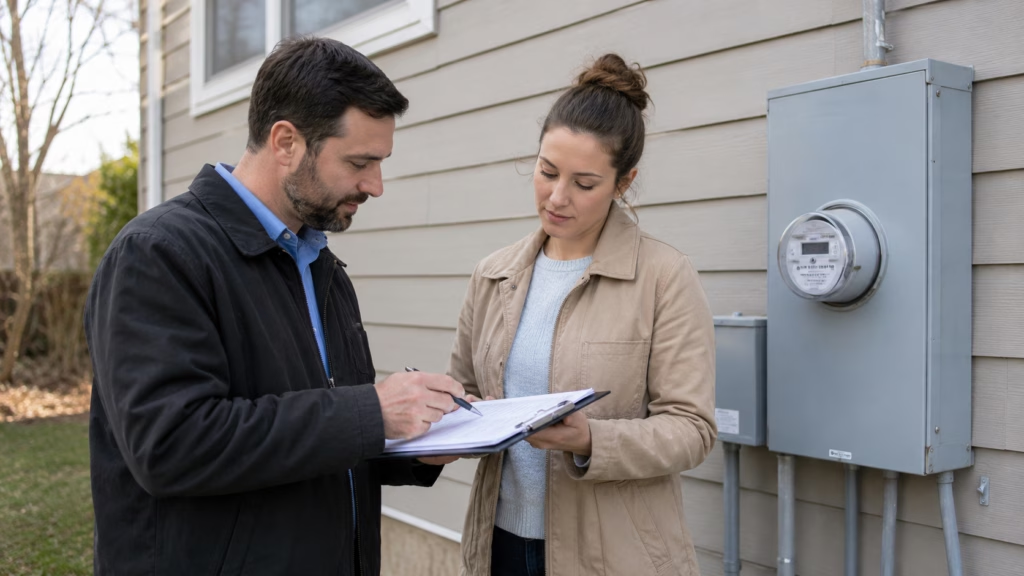
A landlord utility agreement with tenants is one of the most important lease addenda a rental property owner can use. Utilities affect monthly housing costs, tenant expectations, property operations, and potential disputes. If the lease does not clearly explain who pays for electricity, gas, water, sewer, trash, internet, or other services, disagreements can develop quickly.…
Read MoreProperty Management Fee Red Flags Before You Sign

Property management fee red flags are easiest to catch before you sign the management agreement. Once the contract is active, it becomes much harder to question charges, cancel the relationship, or compare the manager’s pricing against the actual service you’re receiving. If you own one rental property or a small portfolio, you don’t need the…
Read MoreLetter to Tenants Regarding Pets: Landlord Guide [Free Template]

Pets can be a sensitive subject in rental housing. Some tenants are responsible pet owners who follow the lease, clean up after their animals, and prevent property damage. Others may bring in an unauthorized pet, ignore breed or size restrictions, fail to pay required pet fees, or misunderstand the difference between a pet and an…
Read MoreHow Base Year Rent Can Quietly Change Your Lease Costs

Base year rent is one of those commercial lease concepts that can look simple during negotiation but become expensive later. If you are reviewing an office lease, mixed-use lease, or modified gross lease, the base year language can determine who pays when operating expenses increase. The phrase is sometimes used loosely, so it helps to…
Read MoreRepairs or CapEx? Don’t Misread the Bill
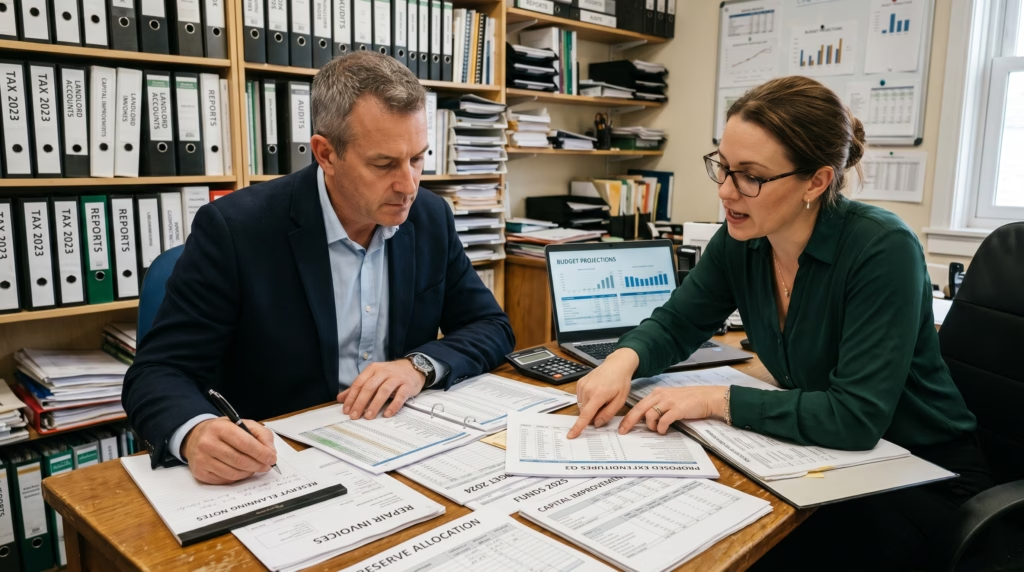
Rental property CapEx vs repairs is one of those topics that sounds technical until it affects your cash flow. Then it becomes very practical. A $275 plumbing repair, a $1,200 appliance replacement, and a $14,000 roof project should not all be treated the same way in your operating plan. Some costs are routine repairs. Some…
Read MoreAssignment and Subletting Without Losing Control
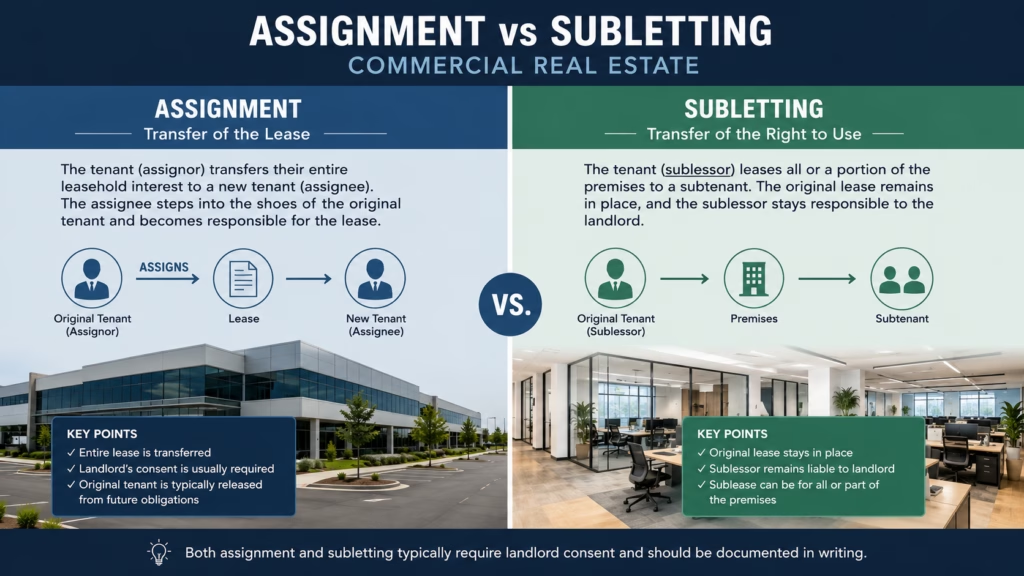
Assignment and subletting provisions can seem like routine lease language until a tenant wants out, sells its business, downsizes, expands, or brings in another occupant. At that point, the clause becomes one of the most important control points in the lease. If you own or manage rental property, especially commercial property, you need to know…
Read MoreWhy an Anchor Tenant Can Make or Break a Deal
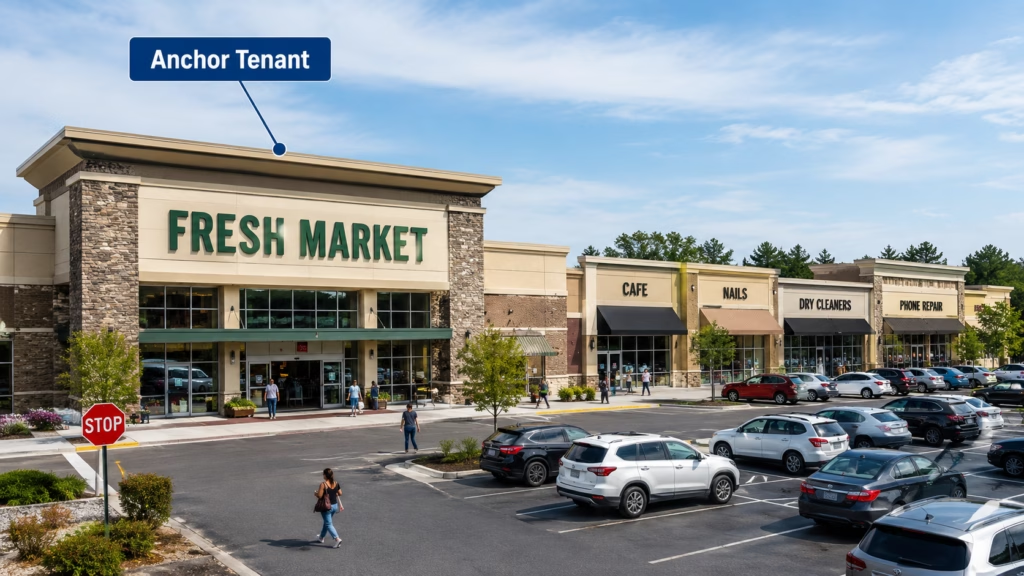
An anchor tenant is one of the most important tenants in a commercial property, especially in a shopping center, strip center, power center, or mixed-use development. If you are evaluating a retail property, the anchor tenant can influence foot traffic, leasing demand, financing, cap rate, tenant mix, and long-term property value. That makes the anchor…
Read MoreAbsolute Triple Net Lease: What Investors Must Know
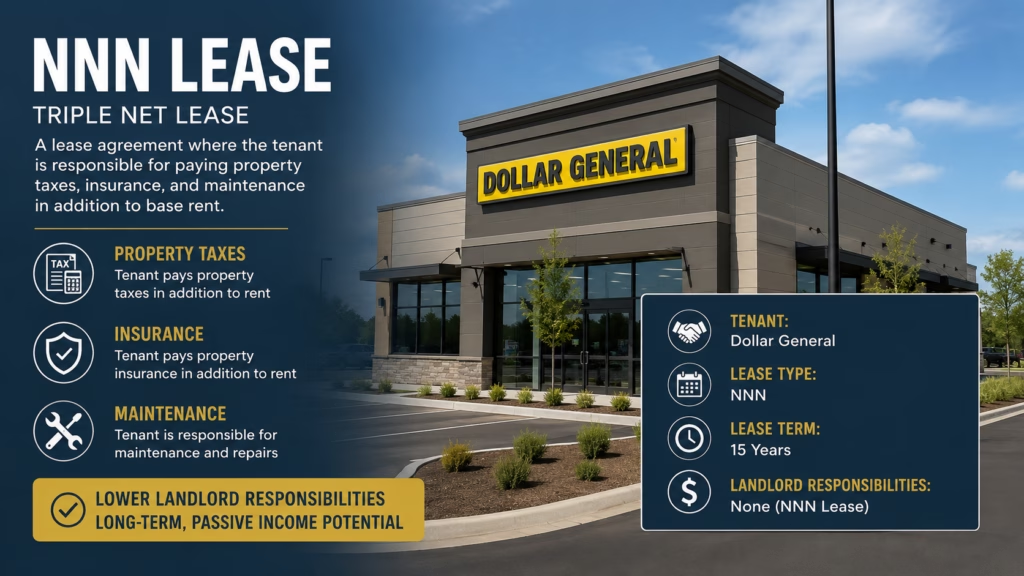
An absolute triple net lease, often called an absolute NNN lease, is one of the most landlord-friendly lease structures in commercial real estate. It can create predictable income, shift major property expenses to the tenant, and reduce day-to-day management responsibilities. That does not make it risk-free. If you are evaluating a property with an absolute…
Read More