Posts Tagged ‘Intermediate’
Repairs or CapEx? Don’t Misread the Bill

Rental property CapEx vs repairs is one of those topics that sounds technical until it affects your cash flow. Then it becomes very practical. A $275 plumbing repair, a $1,200 appliance replacement, and a $14,000 roof project should not all be treated the same way in your operating plan. Some costs are routine repairs. Some…
Read MoreAssignment and Subletting Without Losing Control
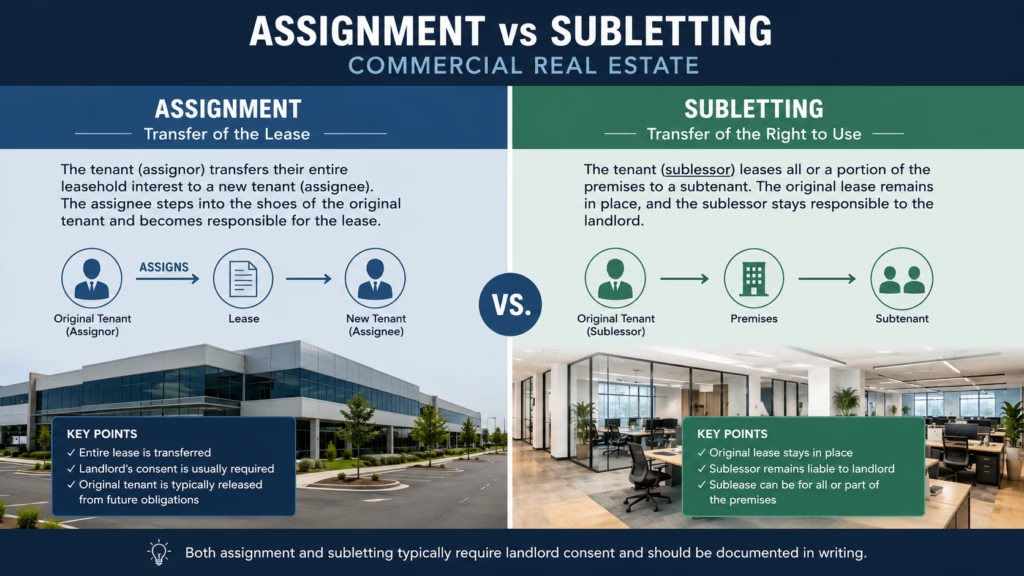
Assignment and subletting provisions can seem like routine lease language until a tenant wants out, sells its business, downsizes, expands, or brings in another occupant. At that point, the clause becomes one of the most important control points in the lease. If you own or manage rental property, especially commercial property, you need to know…
Read MoreWhy an Anchor Tenant Can Make or Break a Deal
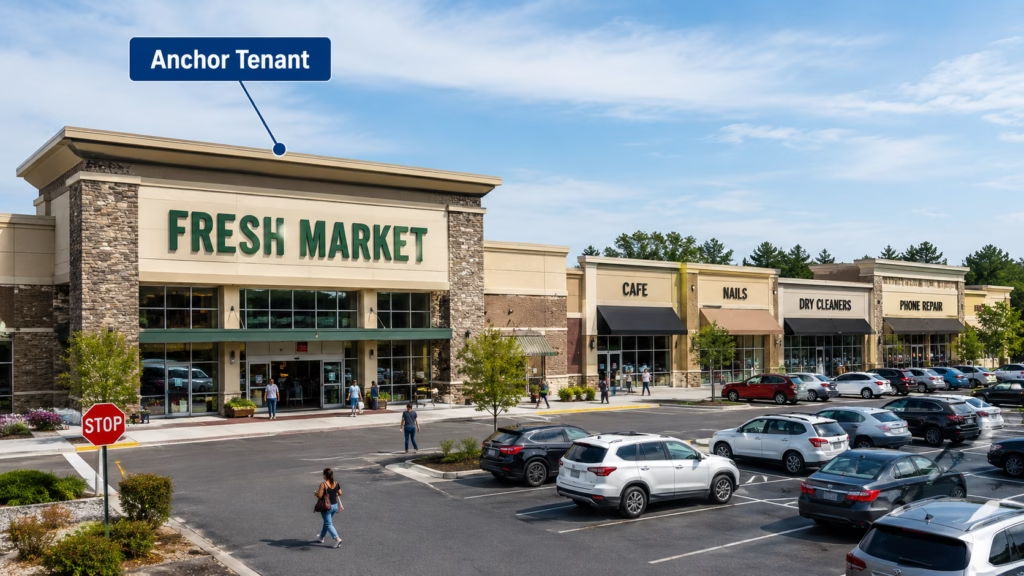
An anchor tenant is one of the most important tenants in a commercial property, especially in a shopping center, strip center, power center, or mixed-use development. If you are evaluating a retail property, the anchor tenant can influence foot traffic, leasing demand, financing, cap rate, tenant mix, and long-term property value. That makes the anchor…
Read MoreAbsolute Triple Net Lease: What Investors Must Know
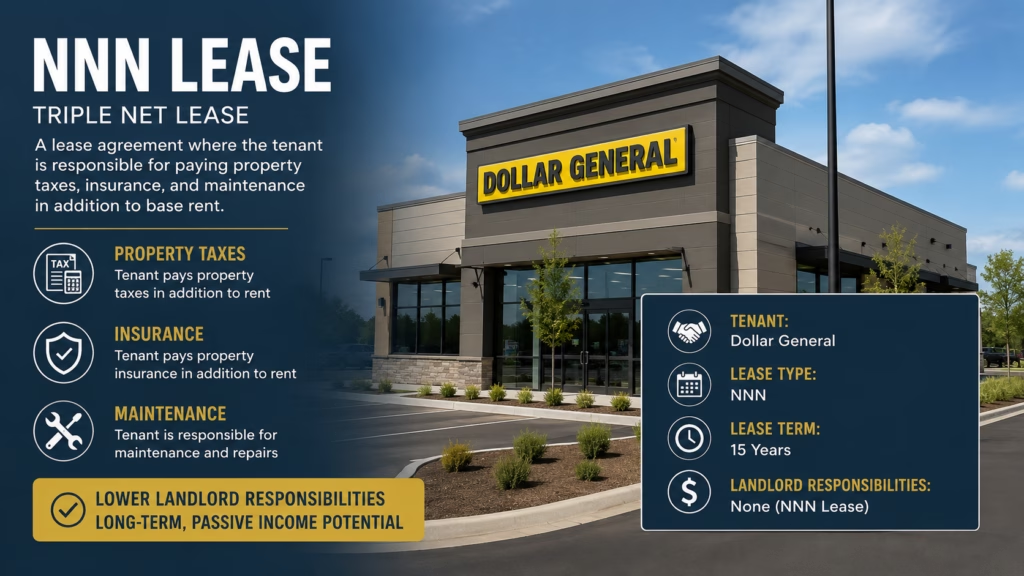
An absolute triple net lease, often called an absolute NNN lease, is one of the most landlord-friendly lease structures in commercial real estate. It can create predictable income, shift major property expenses to the tenant, and reduce day-to-day management responsibilities. That does not make it risk-free. If you are evaluating a property with an absolute…
Read MoreLandlord Vendor Management That Cuts Repair Chaos

Landlord vendor management is one of the most underrated parts of owning rental property. A good vendor can protect your property, keep tenants satisfied, and prevent small repairs from becoming expensive problems. A poor vendor can overcharge, miss appointments, create liability issues, or leave work unfinished. If you’re a small landlord, you don’t need a…
Read MoreLease Termination Letter for Landlords [Free Template]
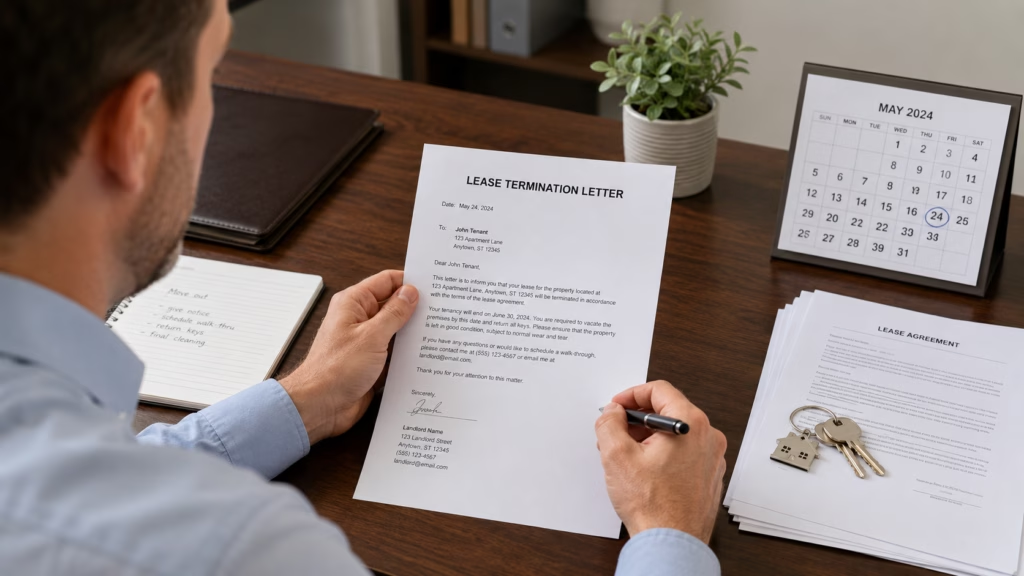
A lease termination letter is one of the most important written notices a landlord may need to send during the rental relationship. It documents that the lease is ending, explains the reason when appropriate, and gives the tenant clear instructions about move-out expectations. For landlords, the goal is not simply to “put something in writing.”…
Read MoreRental Property Lease Renewal Strategy That Pays

A rental property lease renewal strategy should not be a last-minute decision made a few days before the lease expires. It should be a planned review of rent, tenant performance, lease terms, property condition, and market demand. If you handle renewals casually, you may leave money on the table, keep the wrong tenant too long,…
Read MoreLease Extension Agreement Guide for Landlords + Free Template

A lease extension agreement is a practical document landlords can use when both parties want the tenant to remain in the rental property beyond the original lease end date. Instead of drafting an entirely new lease, the landlord and tenant agree to extend the existing lease for a specific additional period, often with limited changes.…
Read More