Financing
Real Estate Tokenization: Future Investment or Overhyped Trend?

Real estate investing is undergoing a dramatic transformation through blockchain-based tokenization. By converting physical properties into digital tokens, you can now own fractional shares of real estate assets with minimal capital, revolutionizing how properties are bought, sold, and managed. Digital tokens representing real estate are changing property investment dynamics by increasing liquidity and lowering barriers…
Read MoreDubai Leads the Way in Real Estate Tokenization Revolution

Dubai is revolutionizing property investment through blockchain technology, making real estate ownership more accessible and efficient than ever before. The Dubai Land Department has launched a real estate tokenization pilot project that will transform property title deeds into digital tokens, with projections indicating a $16 billion market by 2033. This groundbreaking initiative enables you to…
Read MoreThe Investor’s Guide to Off Market Real Estate Deals

Off-market real estate deals represent a hidden opportunity for savvy investors seeking properties before they hit the Multiple Listing Service (MLS). These exclusive pocket listings offer a unique advantage in today’s competitive market, letting you bypass the typical bidding wars and secure better terms. Finding off-market properties gives you access to reduced competition and potentially…
Read MoreCMBS Distress Rate Drops: What Investors Need to Know
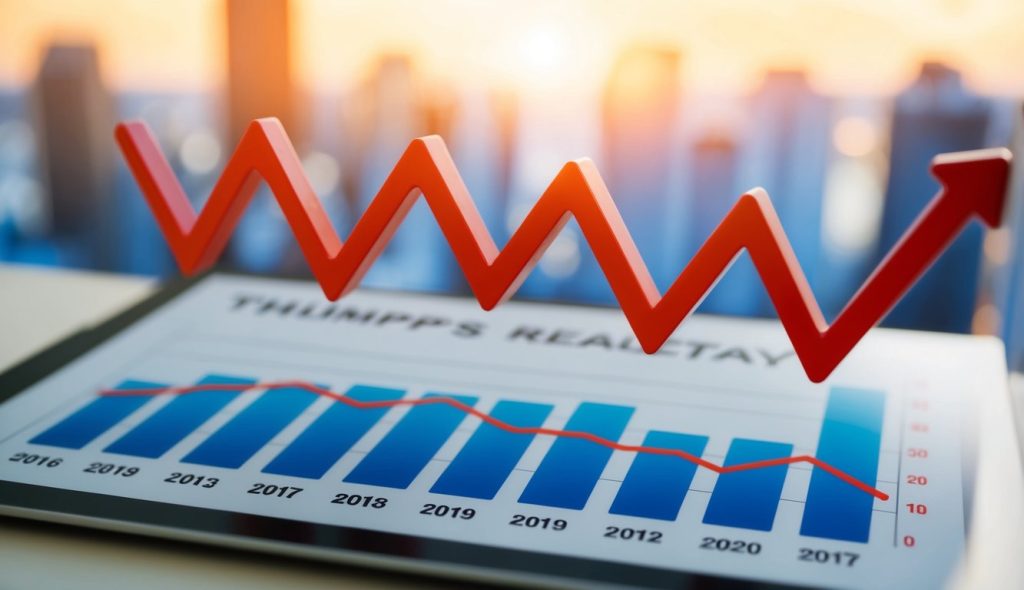
Commercial mortgage-backed securities (CMBS) serve as vital financial instruments that provide liquidity to the real estate market. Recent market data reveals a promising trend as the CMBS distress rate declined to 10.6% in March 2025, marking the second consecutive monthly decrease and signaling potential market stabilization. The commercial real estate landscape continues to evolve, with…
Read MoreRental Property Portfolio Secrets: What No One Tells You

Building a real estate portfolio requires more than just purchasing properties and collecting rent checks. Many aspiring investors focus solely on acquisition while overlooking crucial elements that determine long-term success. Your rental property portfolio success depends on strategic planning, proper financial structuring, and implementing systems that allow for sustainable growth. The path to creating wealth…
Read MoreReal Estate Loan Clawback Rules Tighten Up

Real estate loan clawbacks represent a significant financial risk for mortgage brokers and professionals in the lending industry. When borrowers refinance or pay off their mortgages early, typically within two years of settlement, lenders can demand brokers return their previously earned commissions through clawback provisions. The practice has gained increased attention as industry forecasts predict…
Read MoreReal Estate Portfolio Growth Strategies for 2025

A real estate portfolio represents more than just owning property – it’s a strategic collection of real estate investments that can generate multiple income streams. Building a real estate portfolio requires starting capital between $25,000 to $50,000 for your first investment property, along with careful planning and market research to ensure sustainable growth. You can…
Read MoreCreative Deal Structures for Real Estate Short Sales

Real estate short sales offer unique opportunities for buyers and investors seeking properties below market value. These transactions occur when a property sells for less than the outstanding mortgage balance, requiring lender approval. Creative deal structures in short sales can help you acquire properties with minimal cash outlay through methods like seller financing arrangements and…
Read More