Rental Property Expenses Spreadsheet for Landlords + Free Download

A rental property expenses spreadsheet is one of the simplest tools a landlord can use to stay organized, protect cash flow, and prepare cleaner records for tax season. Even if you only own one rental home, expenses can quickly become difficult to track once mortgage payments, repairs, utilities, insurance, property taxes, and tenant-related costs start piling up.
The goal is not to create a complicated accounting system. The goal is to build a clear record of what was spent, when it was paid, which property it belongs to, and how that expense affects the performance of the rental.
For many small landlords, a spreadsheet is the right starting point because it is flexible, inexpensive, and easy to update.
Get the Free Rental Property Expenses Spreadsheet
Download the free Rental Property Expenses Spreadsheet and make expense tracking easier. Sign up for our 2X weekly newsletter to get the Excel template, plus practical landlord tips for managing rentals, reducing costly mistakes, and improving property performance.
Why Landlords Need an Expense Spreadsheet
Rental property expenses are not just numbers for tax time. They help you understand whether your property is actually performing well.
A rental may look profitable when rent is collected each month, but the real picture becomes clearer after accounting for repairs, vacancy, insurance, taxes, professional fees, and capital improvements. Without a reliable expense tracker, landlords often underestimate the true cost of ownership.
A good spreadsheet helps you:
- Track operating expenses by category
- Separate repairs from improvements
- Monitor cash flow by month and year
- Prepare better records for your accountant
- Compare property performance over time
- Identify unusual cost increases early
The IRS explains that residential rental property owners generally report rental income, expenses, and depreciation, and that records should be organized by property when reporting rental activity. IRS Publication 527 is a useful starting point for understanding how rental income and expenses are treated.
What to Include in a Rental Property Expenses Spreadsheet
A useful spreadsheet should be simple enough to maintain but detailed enough to support real decisions. Each expense entry should include the basic information needed to verify and categorize the transaction.
Core Spreadsheet Columns
At minimum, include these columns:
Date paid
Property address
Vendor or payee
Expense category
Description
Payment method
Amount paid
Receipt or invoice reference
Tax category
Notes
The “property address” column is especially important if you own more than one rental. Even landlords with only one property may benefit from keeping this column, because it makes the spreadsheet easier to expand later.
The “receipt or invoice reference” column can be used to note where backup documentation is stored. For example, you might write “Google Drive folder,” “email invoice,” “bank statement,” or “paper receipt.”
Common Rental Property Expense Categories
Your expense categories should be specific enough to be useful, but not so detailed that the spreadsheet becomes difficult to maintain.
Mortgage Interest
If the property has financing, mortgage interest is often one of the largest expenses. Do not confuse the full mortgage payment with the deductible interest portion. Principal repayment affects equity and loan balance, but it is not typically treated the same way as interest for expense tracking.
Property Taxes
Property taxes should be tracked separately because they can change significantly over time. This is especially important in markets with reassessments, rising values, or changing local tax rates.
Insurance
Include landlord insurance, umbrella coverage, flood insurance, or any other policy connected to the rental property. Track renewal dates in the notes column so you can review premiums before automatic renewal.
Repairs and Maintenance
Repairs and maintenance are ordinary costs needed to keep the property in operating condition. Examples may include plumbing repairs, appliance service, pest control, landscaping, HVAC maintenance, lock changes, and minor patching or painting.
Consistent maintenance records also help landlords spot recurring issues. For example, repeated plumbing calls may point to a larger system problem that should be addressed before it becomes more expensive.
Utilities
Track any utilities paid by the landlord, including water, sewer, electricity, gas, trash, or internet. This is especially important during vacancies or in properties where some utilities remain in the owner’s name.
Property Management Fees
If you use a property manager, include monthly management fees, leasing fees, renewal fees, inspection fees, and any other administrative charges.
Legal and Professional Fees
This category may include attorney fees, accounting fees, bookkeeping support, eviction filing costs, lease preparation, or consulting related to the rental.
Advertising and Leasing Costs
Include listing fees, photography, tenant screening costs paid by the landlord, signage, and other costs related to finding or placing tenants.
Repairs vs. Improvements
One of the most important reasons to keep detailed records is to distinguish ordinary repairs from improvements. Repairs generally maintain the property in usable condition, while improvements usually add value, extend useful life, or adapt the property to a new use.
For example, fixing a broken window may be a repair. Replacing every window in the property may be an improvement. Replacing a worn part on an HVAC system may be a repair. Installing a new HVAC system may be an improvement.
This distinction matters because improvements may need to be capitalized and depreciated rather than treated as a current-year expense. The IRS discusses depreciation and rental property reporting in Publication 527, including how residential rental property owners account for certain costs over time.
How to Structure the Spreadsheet
A simple rental property expenses spreadsheet can be organized with separate tabs.
Monthly Expense Log
This is the main tab where every expense is entered. Each row should represent one transaction.
Category Summary
This tab can total expenses by category. For example, it can show how much was spent on repairs, insurance, taxes, utilities, and property management during the year.
Property Summary
If you own multiple rentals, this tab can show income, expenses, and net operating cash flow by property.
Capital Improvements Log
This tab should track larger improvements separately. Include the project description, vendor, date completed, total cost, and supporting documents.
Receipt Tracker
Use this tab to confirm that backup documentation exists for each major expense. A spreadsheet is helpful, but receipts, invoices, statements, and contractor documentation are what support the numbers.
Example Spreadsheet Layout
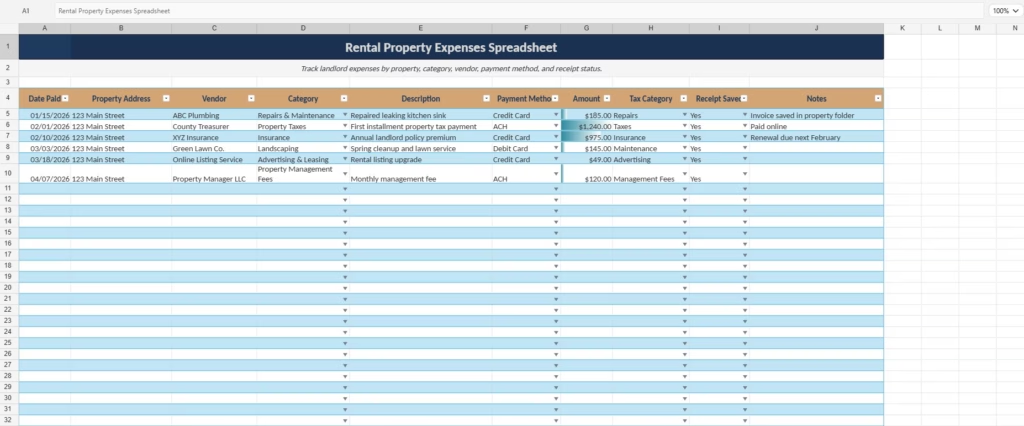
This structure is intentionally simple. It can be expanded later, but it gives landlords enough information to manage records more effectively from the start.
Get the Free Rental Property Expenses Spreadsheet
Download the free Rental Property Expenses Spreadsheet and make expense tracking easier. Sign up for our 2X weekly newsletter to get the Excel template, plus practical landlord tips for managing rentals, reducing costly mistakes, and improving property performance.
Using the Spreadsheet for Tax Preparation
A spreadsheet does not replace a tax professional, but it can make tax preparation much easier. Instead of sorting through bank statements, email receipts, and contractor invoices at the end of the year, the landlord has a categorized expense record ready for review.
Schedule E is the IRS form generally used by individuals to report income or loss from rental real estate. The IRS notes that Schedule E is used for rental real estate and related supplemental income or loss reporting. IRS Schedule E is worth reviewing before setting up categories.
The key is consistency. Enter expenses throughout the year instead of waiting until tax season. A spreadsheet updated monthly is far more reliable than one reconstructed from memory.
Best Practices for Landlords
A rental property expenses spreadsheet works best when it is part of a broader recordkeeping habit.
Update the spreadsheet at least once per month. Save receipts immediately. Use consistent category names. Keep personal and rental expenses separate. Reconcile the spreadsheet against bank or credit card statements.
Landlords should also review maintenance expenses for patterns. The National Center for Healthy Housing notes that a healthy home should be kept dry, clean, safe, well-ventilated, pest-free, well-maintained, and thermally controlled, which reinforces the value of proactive maintenance records. NCHH Healthy Homes Maintenance Checklist
Get the Free Rental Property Expenses Spreadsheet
Download the free Rental Property Expenses Spreadsheet and make expense tracking easier. Sign up for our 2X weekly newsletter to get the Excel template, plus practical landlord tips for managing rentals, reducing costly mistakes, and improving property performance.
Are You Looking To Connect With Property Owners, Landlords, and Real Estate Investors?
Grow your business by connecting with property professionals with our cost-effective advertising options.

Master the art of real estate investing with The Real Estate Property Management Guide: Premium Edition – your comprehensive roadmap to successful property management.
Whether you’re a novice investor or seasoned professional, this guide covers everything from selecting the right investment properties to tenant management and property marketing.
The author, Jeff Rohde writing as Jeffrey Roark, is a professional with over 25 years of real estate experience.
This Premium Edition includes the valuable bonus book Investment Real Estate Analysis: A Case Study to help you identify hidden opportunities and evaluate properties like a professional.
Access practical, actionable strategies for both residential and commercial properties, from single-family homes to office buildings and shopping centers.