Posts Tagged ‘Residential Investors’
Real Estate Notes: Your Guide to Private Lending Investments

Investing in real estate doesn’t always mean owning physical properties. You could invest in AI, for example. On the other hand, real estate notes represent a unique opportunity to earn passive income from property debt instead of direct ownership. These promissory notes are legal documents that outline the terms of a real estate loan, allowing…
Read MoreShort Sales vs Foreclosures: Key Differences for Investors

When homeowners face financial difficulties, their properties often end up as either short sales or foreclosures. These situations create opportunities for real estate investors to acquire properties below market value. A short sale occurs when lenders allow the property to sell for less than the mortgage balance, while a foreclosure happens after the bank takes…
Read MoreWhat Is the 80% Rule in Real Estate Investing?

The 80/20 rule, also known as the Pareto Principle in real estate investment, reveals a powerful insight into maximizing your investment returns. 20% of your real estate investment efforts generate approximately 80% of your total returns, making it essential to identify and focus on the most impactful activities. This principle applies across multiple aspects of…
Read MoreCan Building Permit Trends Reveal Housing Market Hotspots?

Building permits serve as a powerful economic indicator, revealing crucial insights into future real estate market conditions. Monthly building permit data shows historical averages of 1,373,300 units since 1960, with significant fluctuations that can help you identify emerging market opportunities. The U.S. Census Bureau’s Building Permits Survey tracks new privately-owned residential construction across the country,…
Read MorePrefab Hotel Investing: Passive Income in Modular Hospitality
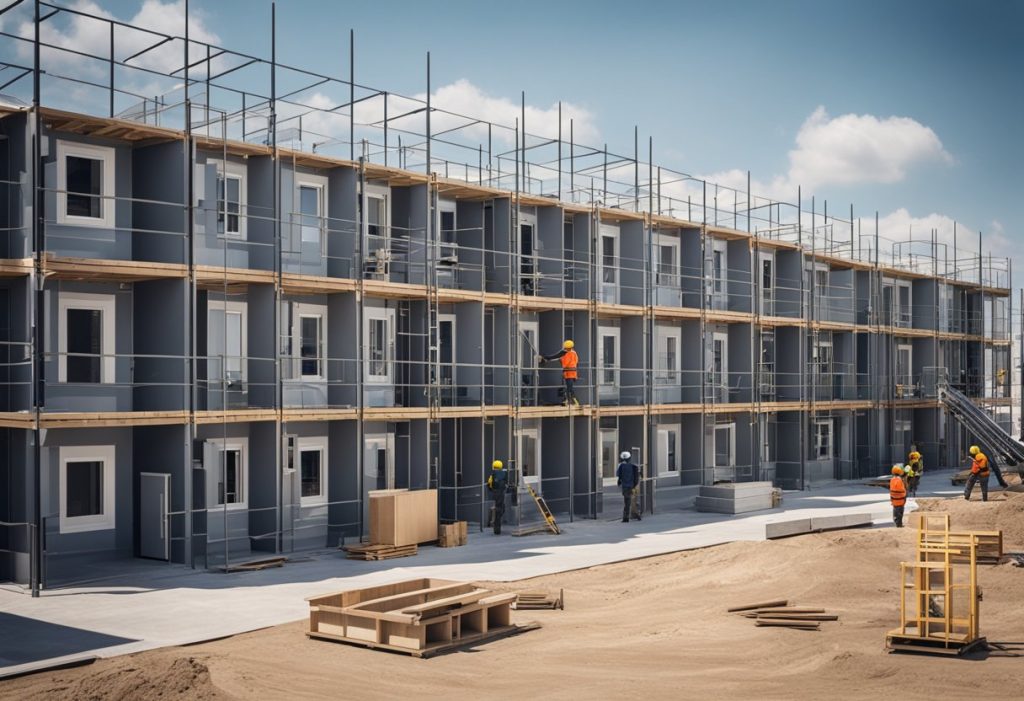
Prefab hotel construction is transforming the hospitality industry with innovative building methods that slash construction timelines and costs. Investing in modular hotel projects can yield 30% faster completion times while maintaining quality standards comparable to traditional construction methods. Modular hotel construction offers a compelling investment opportunity in the hospitality sector. The approach requires significant upfront…
Read MoreHow to Scale a Real Estate Investment Business for Rapid Growth

Building a thriving real estate investment business requires more than just purchasing properties. It demands strategic thinking, efficient systems, and the right partnerships to create sustainable growth. To successfully scale your real estate investment business, focus on establishing a clear investment strategy, leveraging existing assets for expansion, and developing reliable operational processes that support portfolio…
Read MoreFair Market Value and Assessed Value: What’s the Difference?

When evaluating investment properties, knowing the difference between fair market value and assessed value can significantly impact your investment decisions. These two distinct valuations serve different purposes and are calculated using separate methodologies. The fair market value represents what a property would sell for under normal market conditions between a willing buyer and seller, while…
Read MoreRemote Real Estate Sales: The Ultimate Investor’s Guide

Remote real estate investing has transformed how property transactions occur in today’s digital age. You can now buy and sell investment properties from anywhere in the world, with real estate deals worth $100,000 to $150,000 and more being closed entirely online. The rise of digital platforms and virtual tools has made it possible to evaluate…
Read More