Posts Tagged ‘Tenant damages’
How to Handle Tenant Lease Termination: A Landlord’s Guide

Managing tenant lease terminations requires careful attention to legal requirements and proper documentation. When ending a residential lease agreement, landlords must follow specific procedures to protect their interests and maintain compliance with state laws. A lease termination must include proper written notice, typically through a formal termination letter that specifies the intended end date and…
Read MoreHow Property Inspections Differ for Rentals vs. Homebuyers
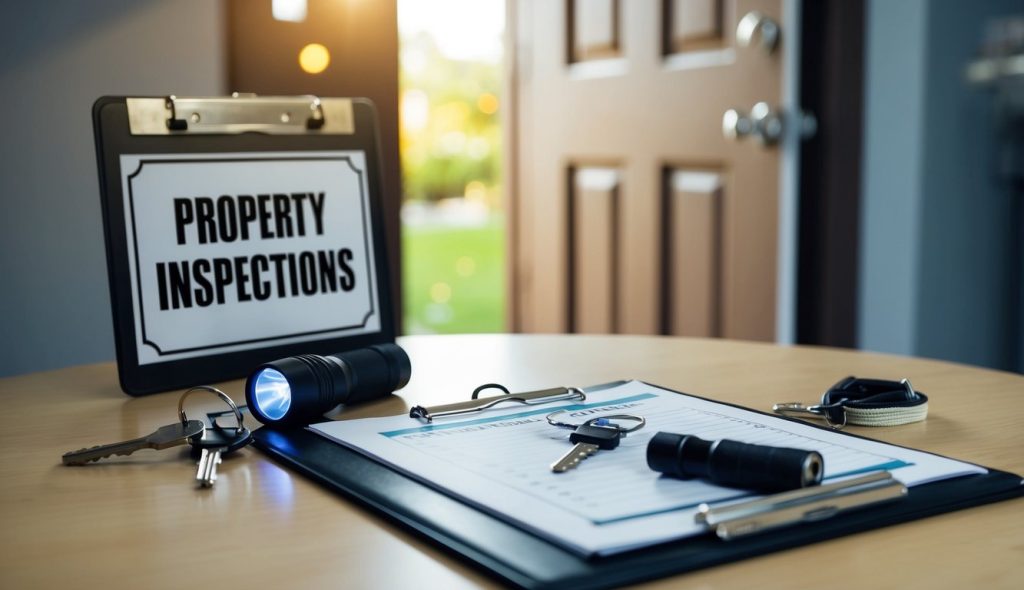
Navigating the world of property inspections as a real estate investor requires a different approach than what homebuyers typically experience. While homebuyers focus on the property as a place to live, investors need to evaluate properties through the lens of profitability, tenant safety, and long-term sustainability. A comprehensive rental property inspection helps investors identify potential…
Read MoreSecurity Deposit Accounting: Best Practices for Landlords

Security deposits play a vital role in protecting rental property investments. As a landlord, proper accounting of these funds ensures both legal compliance and financial organization. A security deposit is classified as a long-term asset under “Other Assets” on your balance sheet, not as rental income. When you receive a security deposit from a tenant,…
Read MoreHow Investors Can Avoid Costly Property Damage Expenses

Protecting your investments as a landlord means staying proactive about managing and maintaining your properties. Recognizing the distinction between normal wear and tear and actual property damage is crucial to avoid unnecessary costs and disputes over tenant responsibilities. By implementing thorough property management practices and ensuring your tenants understand their responsibilities, you can minimize repair…
Read More