REAL ESTATE
FUNDAMENTALS
FOR PROS.
The premier educational platform for investors, property managers, and landlords.
No fluff, just facts.
LATEST INSIGHTS
-
When you apply for a mortgage, lenders evaluate multiple factors to determine your eligibility and loan terms. One of the most critical metrics they examine is the loan-to-value ratio, which…
-
Foreclosure investment offers substantial returns, but auction processes, deal structures, and exit strategies require specialized knowledge. Foreclosure investment mentorship delivers hands-on guidance through real deals, enabling you to master auction…
-
Developers and investors increasingly recognize the value of combining multiple property types within single developments. Mixed-use real estate integrates residential, commercial, retail, and office spaces into unified projects that serve…
-
Foreclosure property valuation requires specialized methodologies distinct from traditional real estate appraisals. When evaluating distressed properties, adjust standard valuation approaches to account for limited access, property condition issues, and market…
-
A ground lease is a long-term agreement where you lease land for 50 to 99 years and gain the right to develop buildings on it, while the landowner retains ownership…








LEARN ABOUT REAL ESTATE
Curated content tailored specifically to your interest in the real estate industry.
HOW TO FIND & KEEP GREAT TENANTS

A practical guide to tenant marketing, screening, leasing structure, and long-term stability.
This book focuses on attracting better tenants, controlling the leasing process, and reducing costly mistakes that lead to turnover, vacancy, and operational headaches.
INVESTMENT REAL ESTATE ANALYSIS

A detailed case study showing how experienced professionals evaluate real estate investments.
This book walks through a complete, real-world analysis. You'll learn how data, market context, and disciplined assumptions shape investment outcomes.
ACHIEVING SUCCESS AS A PM

An experience-based guide to building a sustainable, financially sound property management business.
This book examines fee structures, services, client selection, and revenue strategy. Learn how property management actually works.
MANAGEMENT IN A MARKET CRASH
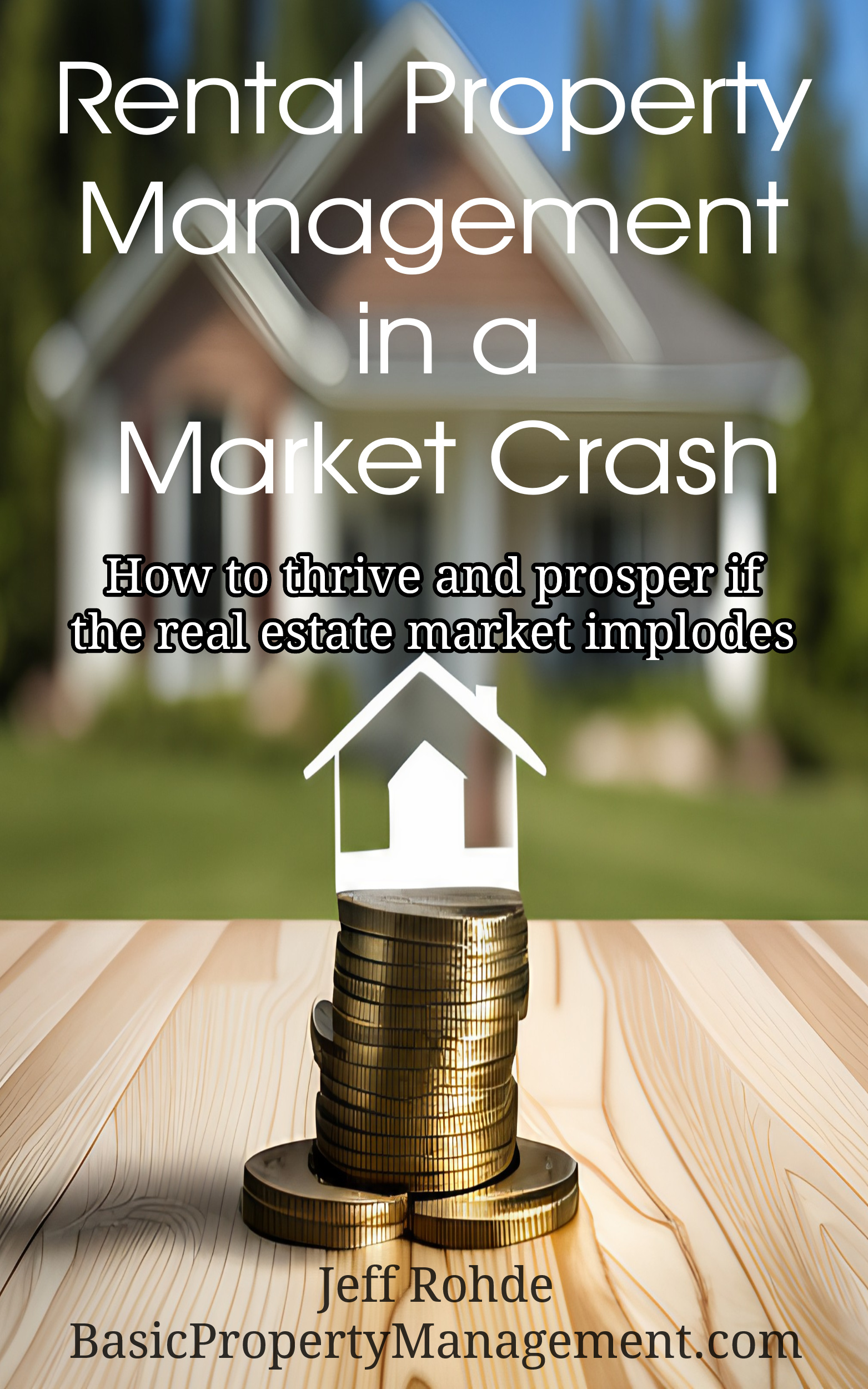
A practical operating framework for managing rental property during market downturns.
This book addresses leasing, expense control, tenant retention, and communication when market conditions deteriorate and assumptions no longer hold.
THE PROPERTY MANAGEMENT GUIDE
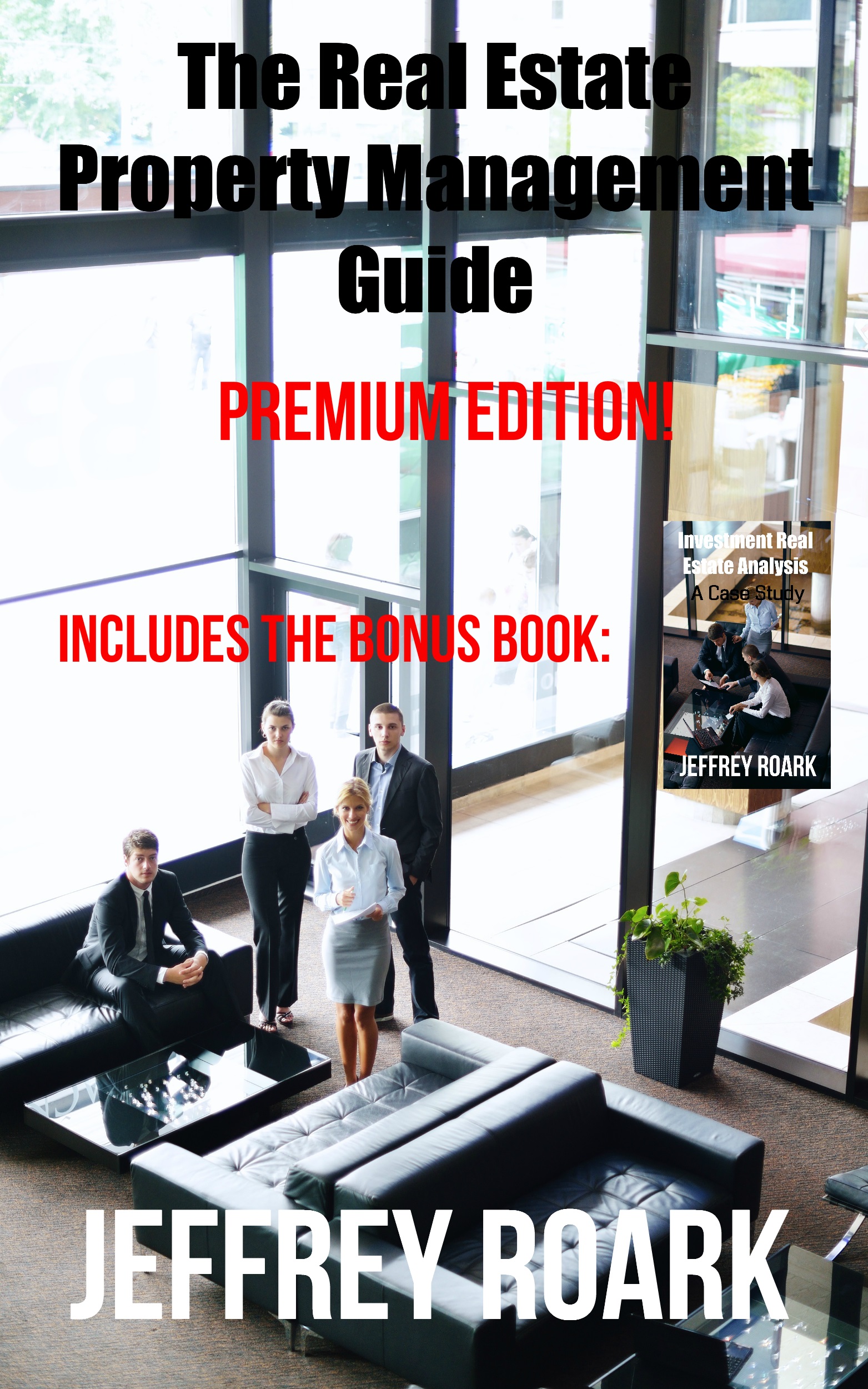
A comprehensive reference covering the full property management lifecycle.
This guide brings together leasing, operations, maintenance, financial controls, and long-term strategy into an integrated framework for managing rentals as a business.