Home Inspection for Investment Property Secrets
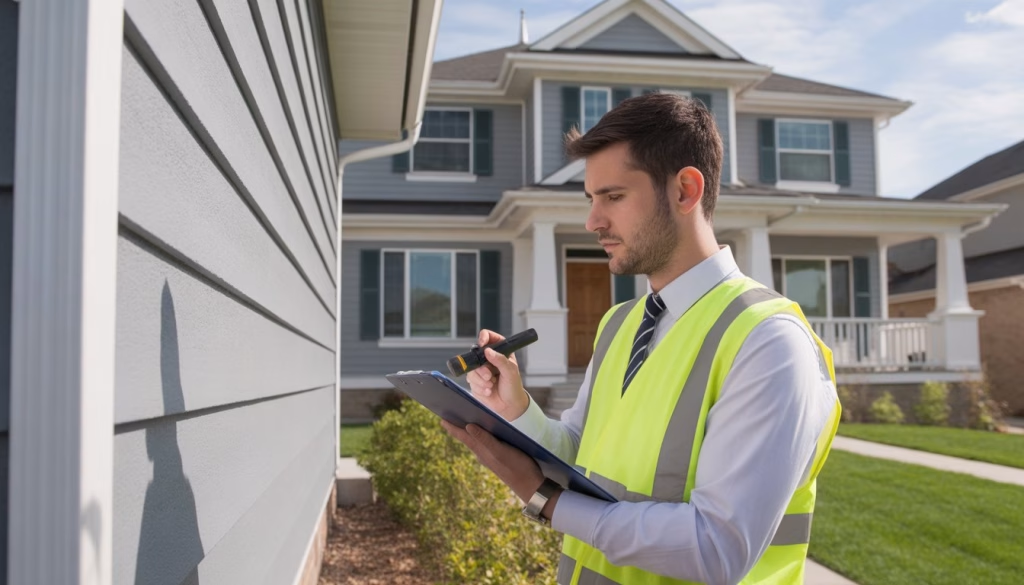
Buying an investment property without a thorough inspection exposes you to costly surprises that can diminish your returns. A comprehensive home inspection reveals the true condition of a property before you commit your capital, allowing you to avoid expensive repairs and negotiate a fair purchase price.
For real estate investors, accurately calculating repair costs, estimating After Repair Value, and determining projected cash flow are critical. A thorough inspection supports these calculations and strengthens your negotiating position.
A comprehensive inspection should cover all major elements, from the foundation to the roof. This process creates negotiation leverage and enables you to build realistic renovation budgets. The following guide outlines actionable strategies for investment property inspections.
Key Takeaways
- Home inspections uncover hidden issues that can impact investment returns and negotiations
- A detailed inspection checklist enables you to assess structural systems, major components, and repair costs
- Inspection findings support data-driven decisions on whether to proceed with a purchase
Key Aspects of Home Inspection for Investment Property
A thorough property inspection evaluates the condition of major systems, structural integrity, and potential repair costs that directly affect your return on investment. Knowing what inspectors examine and how to interpret findings helps you determine if a property aligns with your investment criteria.
Purpose and Benefits for Investors
Home inspections provide real estate investors with a detailed assessment of a property’s current condition before purchase. When inspectors identify issues, you gain leverage to negotiate repairs or price reductions. Inspection reports also help you estimate renovation budgets and assess whether the asking price reflects the property’s true condition.
Professional inspections protect you from acquiring properties with costly hidden defects. The documentation supports repair planning and accurate ROI calculations. Use inspection findings to prioritize repairs and adjust your investment strategy as needed.
Major Systems and Structural Review
Inspectors review the foundation, roof, electrical systems, plumbing, and HVAC to assess current functionality and estimate remaining lifespan. Foundation issues such as cracks, settling, and moisture intrusion threaten stability and require immediate attention. Inspectors check grading, drainage, and signs of water damage around the foundation.
Structural assessments focus on load-bearing walls, floor joists, roof framing, and support beams. Inspectors look for sagging, wood rot, termite damage, and unauthorized modifications. Electrical systems are checked for code compliance, capacity, outdated wiring, and safety hazards.
Plumbing inspections include checking pipes for leaks, corrosion, water pressure, and proper drainage. Inspectors test HVAC systems for operational efficiency and estimate replacement timelines. Roof inspections cover shingle condition, flashing, ventilation, and potential leak points.
Identifying Hidden Repair Costs and Risks
Hidden structural issues often appear as minor cosmetic problems but can indicate expensive repairs. Water damage may show as stains, warping, or odors, signaling roof leaks, plumbing failures, or poor drainage. Distinguish between minor cosmetic issues and defects that require significant investment.
Outdated electrical panels or wiring increase safety risks and renovation costs. Mold, asbestos, and lead paint create health hazards and require specialized remediation. Foundation cracks, basement moisture, or structural settling can cost tens of thousands to repair.
Inspectors identify these issues and provide severity estimates. Obtain contractor quotes for repair costs before closing to avoid unexpected expenses and negotiate appropriate price reductions based on documented defects.
Investment Property Inspection Checklist and Strategies
Use a systematic approach to property inspections to protect your capital and uncover maintenance costs before acquisition. Detailed checklists and partnerships with professional inspectors support sound decisions for rental property investments.
Comprehensive Inspection Checklist
Begin your property inspection checklist with the foundation, looking for cracks, moisture, and settlement patterns that signal structural problems. Assess roof condition, age, and remaining lifespan, as replacements often range from $5,000 to $15,000.
Inspect exterior elements such as siding for rot or damage, gutters for drainage, and lot grading to ensure water flows away from the foundation. Examine windows and doors for proper seals, functional locks, and air leaks that raise energy costs.
Inside, check walls and ceilings for water stains, flooring for damage, and basements for moisture. Document appliance, countertop, and cabinet conditions to estimate renovation budgets. Test faucets, toilets, and drains to identify plumbing concerns before closing.
Electrical, Plumbing, and HVAC Considerations
Pay close attention to electrical systems, as outdated wiring presents fire hazards and renovation expenses. Verify electrical panel capacity—typically 100 to 200 amps for residential properties—and check for aluminum or knob-and-tube wiring that may require replacement.
Plumbing inspections should include pipe material assessment, water pressure testing, and drain checks. Properties over 50 years old with galvanized pipes often need replacement, while copper and PEX systems provide longer service lives.
HVAC evaluations determine immediate replacement needs and ongoing operating costs. Record the age of furnaces and air conditioners; units older than 15 years often require replacement. Test heating and cooling output, inspect ductwork for leaks, and assess ventilation throughout the property.
Partnering with a Qualified Home Inspector
A qualified home inspector brings technical expertise and liability protection that self-inspections cannot match. Licensed inspectors complete comprehensive evaluations of structural, mechanical, and safety components within 2-4 hours depending on property size.
Request inspection reports with photographs, detailed descriptions, and cost estimates for recommended repairs. Professional inspectors identify code violations, safety hazards, and deferred maintenance issues that directly impact negotiating leverage and projected returns.
Attend the inspection to ask targeted questions and clarify maintenance priorities for your rental property. Leverage inspection findings to negotiate price adjustments, secure seller repairs, or refine renovation budgets prior to closing.
Wondering Where the Savviest Investors Find Their Best Deals?
Access the largest database of foreclosure properties nationwide and discover below-market deals before other investors. Start your search today!

Are you a contrarian investor with the foresight to spot opportunities where others see only chaos?
Rental Property Management in a Market Crash is your essential guide to navigating turbulent economic waters.
Learn how to capitalize on market downturns that inevitably occur, drawing parallels between the Global Financial Crisis of 2007-09 and current market conditions.
This book offers invaluable insights into the dynamics of the housing market during a downturn, equipping you with the knowledge to make informed decisions and build a resilient investment portfolio.
Don’t just weather the storm – thrive in it!