Navigating Foreclosure Investment Legal Issues

Foreclosure investment offers significant profit opportunities but also presents complex legal challenges that can turn a promising deal into a costly mistake. Understanding title issues, liens, eviction procedures, and regulatory compliance requirements is essential for protecting your investment and avoiding expensive legal disputes. Successful investors pay careful attention to legal details and seek professional guidance…
Read MoreProperty Insurance Premium: What Impacts Your Rates?

A property insurance premium is the amount you pay to your insurance company to maintain coverage for your home, business, or other real estate assets. This recurring payment keeps your policy active and provides financial protection against damage, theft, and liability claims that could otherwise cost thousands of dollars out of pocket. The national average…
Read MoreEssential Foreclosure Property Inspection Checklist

Foreclosure property inspections provide real estate professionals and investors with essential information about a property’s condition before acquisition. Always engage a qualified inspector for foreclosure properties, as these homes often have deferred maintenance, structural problems, or hidden damage that could significantly impact your investment returns. Foreclosed homes often sell below market value, presenting a prime…
Read MoreHow to Profit from Foreclosure in Real Estate Markets
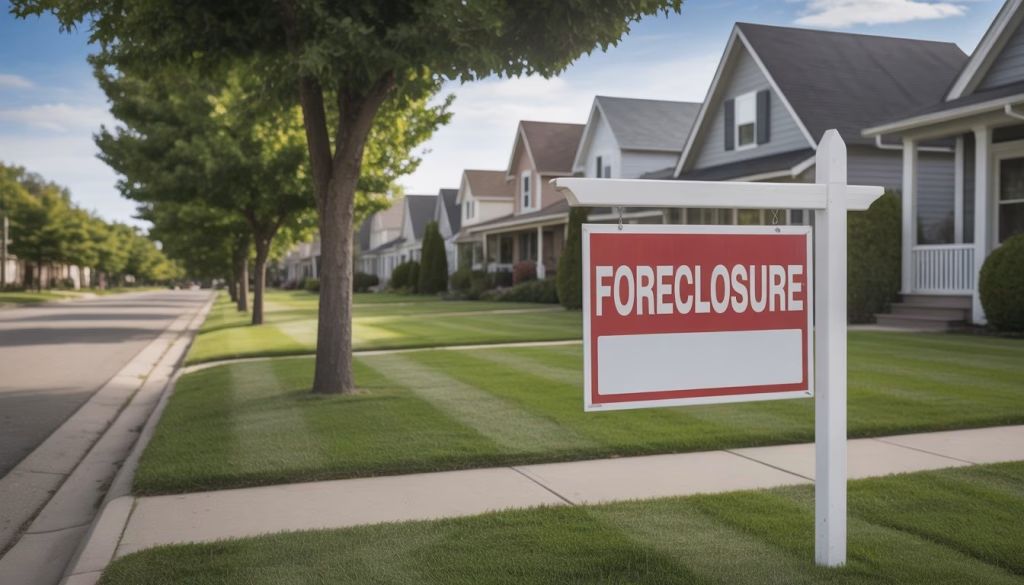
Foreclosure occurs when a lender seizes a property from a homeowner who has failed to make mortgage payments, typically after several months of delinquency. Lenders recover losses by selling the property, often at public auction or through real estate agents. Foreclosure filings have surged 17% nationwide in the third quarter of 2025, with 101,513 US…
Read MoreHow First Right of Refusal in Real Estate Works

A right of first refusal in real estate gives an investor or buyer the legal right to purchase a property before the owner can sell it to anyone else. This contractual agreement activates when the property owner decides to sell, requiring them to offer the opportunity to match any legitimate third-party offer before completing the…
Read MoreYour Guide to Financing a Foreclosure Purchase

Buying a foreclosed home can offer significant savings, but securing financing requires preparation and a clear understanding of your options. If a foreclosed property is in decent condition and you have a strong credit history, financing can work like a traditional home purchase. The key is to identify which loan products best suit foreclosure purchases…
Read MoreWhat Is Real Estate Eviction by Landlord Process?
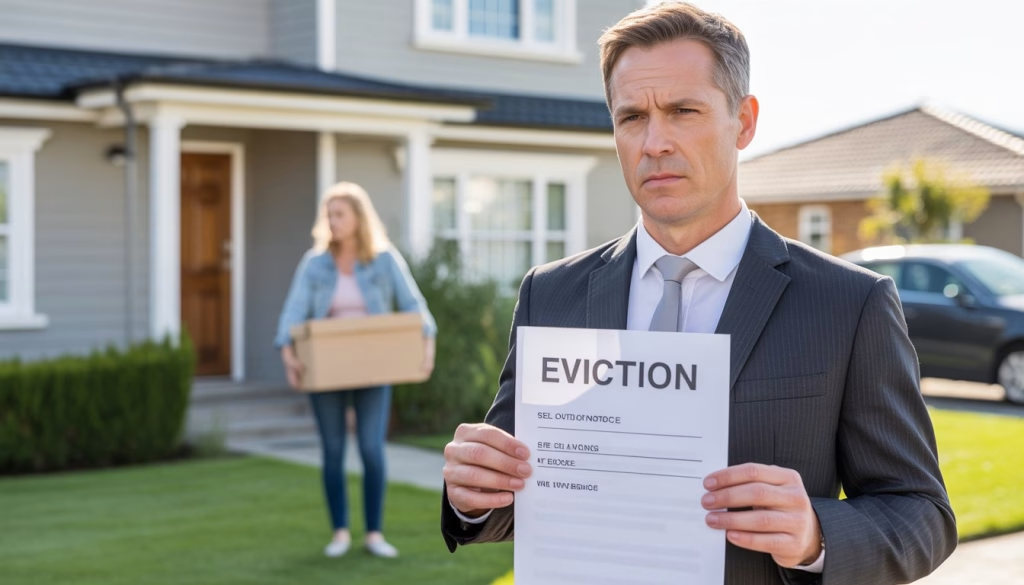
Real estate eviction is a complex legal process that landlords must handle when tenant relationships break down. Whether you face non-payment of rent, lease violations, or property damage, understanding the proper legal framework protects your investment and ensures compliance with housing laws. Landlords must follow specific legal procedures including proper notice requirements, court filings, and…
Read MoreForeclosure Renovation Costs: What to Expect and Budget For
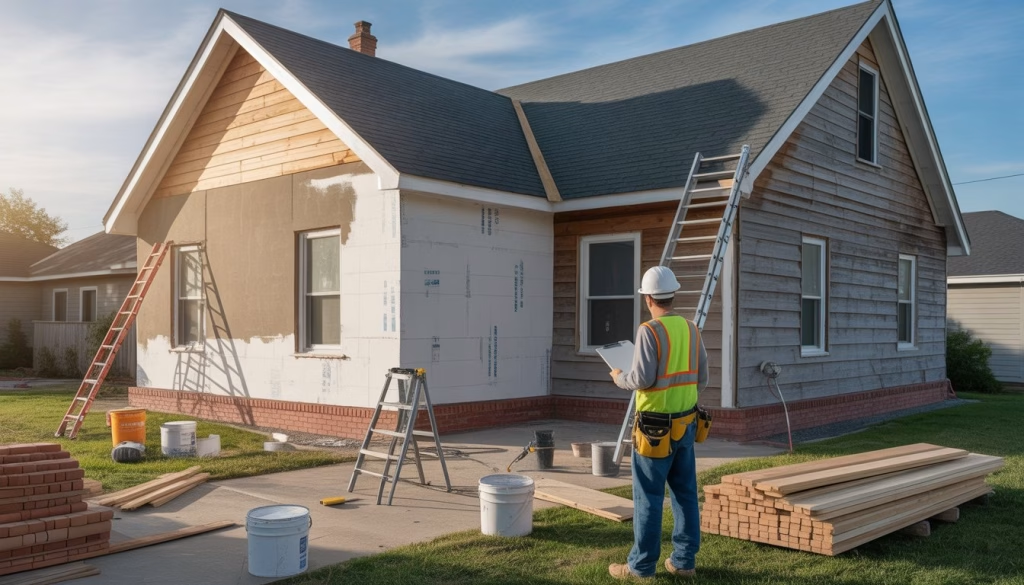
Renovating a foreclosed property can generate strong returns, but you need to understand the true costs upfront to ensure profitability. Foreclosure renovation costs typically range from $15,000 to $100,000, with whole home renovations costing $15 to $60 per square foot depending on the extent of work required. These properties often require substantial repairs due to…
Read More