Posts Tagged ‘Landlords’
What Affects Rental Property Performance Most?

Rental property performance depends on several critical factors that directly impact your investment returns and long-term wealth building. Location, property condition, market demand, and your management approach are the primary drivers that determine whether your rental property generates strong cash flow or becomes a financial burden. Knowing these performance factors helps you make smart choices…
Read MoreWhich Markets Have a Glut of Vacant Apartments?

A glut of vacant apartments is reshaping rental markets across the United States, creating both challenges and opportunities for commercial real estate investors. Aggressive development, changing demographics, and economic disruptions have led to oversupply in key metropolitan areas. Several major markets are experiencing historically high vacancy rates, with cities like Las Vegas facing apartment vacancies…
Read MoreWhy Multifamily Investment 2025 Will Surprise You

The multifamily investment market in 2025 has surprised many experts. While most investors expected continued market struggles due to high interest rates and economic uncertainty, multifamily properties show resilience with rising rents, better occupancy rates, and renewed investor confidence in select markets. Your investment decisions this year will likely face a market that looks very…
Read MoreTop Tips for Effective Blockchain-Powered Property Management

Property management has traditionally relied on paper-based systems and manual processes that create inefficiencies, delays, and security vulnerabilities. Blockchain-powered property management transforms these operations by automating lease payments, securing property records, and enabling transparent transactions through smart contracts and decentralized data storage. Property management systems based on blockchain can streamline every step of the process…
Read MoreAvoid Risks with a Contingency Fund in Real Estate Investing

Real estate investing offers many opportunities for building wealth, but unexpected expenses can quickly disrupt even the best investment plans. Market downturns, emergency repairs, extended vacancies, and surprise legal costs can all affect your property’s cash flow and profitability. A contingency fund acts as your financial safety net, giving you cash reserves to handle surprises…
Read MoreWhy Investors Love Buy-and-Hold Real Estate

Buy-and-hold real estate is one of the most popular investment strategies for building long-term wealth, attracting everyone from first-time investors to seasoned professionals. This strategy means you purchase rental properties and keep them for years to generate steady monthly income and benefit from property appreciation. Unlike house flipping or other short-term methods, buy-and-hold investing focuses…
Read MoreWhat Is a CRE Strategic Default? A Complete Guide

Commercial real estate markets face significant stress as property values drop and refinancing options shrink. When properties are underwater, more borrowers decide to walk away from their loans even if they can still make payments. A CRE strategic default happens when a borrower chooses to stop making mortgage payments on a commercial property, not because…
Read MoreData Center Real Estate: Key Trends, Investment Insights

Data center real estate stands out as a top investment opportunity in commercial real estate, fueled by soaring demand for digital infrastructure and artificial intelligence. The global data center market will likely grow from 60 gigawatts of capacity today to 170-220 gigawatts by the end of the decade, more than tripling according to McKinsey’s proprietary…
Read MoreUse Restrictions in Real Estate: How Zoning Impacts Your Property
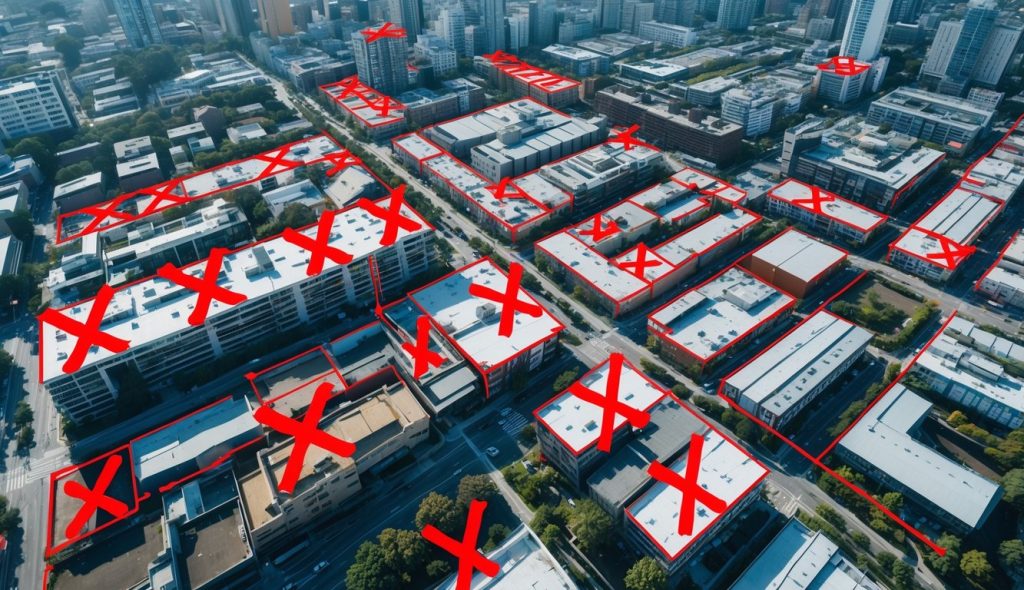
When you’re buying or leasing real estate, it’s important to know how zoning laws and other use restrictions will impact your property plans to avoid costly surprises. Use restrictions are legal limitations that dictate how you can and cannot use your property, ranging from zoning ordinances that designate residential, commercial, or industrial uses to private…
Read MoreWhat Drives Real Estate Appreciation? Key Investor Insights

Real estate appreciation means a property’s value goes up over time, serving as one of the main drivers of investment returns in real estate portfolios. Knowing what causes properties to appreciate helps you make smart investment choices and get the most from your investments. Several factors influence how much and how quickly your properties gain…
Read MoreAI Real Estate Management: Transforming Property Operations

Artificial intelligence is changing how real estate investors manage properties, analyze market data, and boost investment returns. AI-powered property management systems cut manual tasks from eight hours to just one, while offering predictive insights that help investors make smarter decisions and avoid costly maintenance emergencies. The technology now goes far beyond basic document processing, offering…
Read More