REAL ESTATE
FUNDAMENTALS
FOR PROS.
The premier educational platform for investors, property managers, and landlords.
No fluff, just facts.
LATEST INSIGHTS
-
Property management has traditionally relied on paper-based systems and manual processes that create inefficiencies, delays, and security vulnerabilities. Blockchain-powered property management transforms these operations by automating lease payments, securing property…
-
Real estate investing offers many opportunities for building wealth, but unexpected expenses can quickly disrupt even the best investment plans. Market downturns, emergency repairs, extended vacancies, and surprise legal costs…
-
Buy-and-hold real estate is one of the most popular investment strategies for building long-term wealth, attracting everyone from first-time investors to seasoned professionals. This strategy means you purchase rental properties…
-
Artificial intelligence infrastructure investment is one of the fastest-growing sectors in commercial real estate, with companies pouring unprecedented amounts of capital into data centers, power facilities, and specialized computing infrastructure.…
-
Commercial real estate markets face significant stress as property values drop and refinancing options shrink. When properties are underwater, more borrowers decide to walk away from their loans even if…
-
Data center real estate stands out as a top investment opportunity in commercial real estate, fueled by soaring demand for digital infrastructure and artificial intelligence. The global data center market…
-
When you’re buying or leasing real estate, it’s important to know how zoning laws and other use restrictions will impact your property plans to avoid costly surprises. Use restrictions are…










LEARN ABOUT REAL ESTATE
Curated content tailored specifically to your interest in the real estate industry.
HOW TO FIND & KEEP GREAT TENANTS

A practical guide to tenant marketing, screening, leasing structure, eviction prevention, and long-term stability.
This book focuses on attracting better tenants, the leasing process, and reducing costly mistakes that lead to turnover, vacancy, and operational headaches.
INVESTMENT REAL ESTATE ANALYSIS

A detailed case study showing how experienced professionals evaluate real estate investments.
This book walks through a complete, real-world analysis. You'll learn how data, market context, and disciplined assumptions shape investment outcomes.
ACHIEVING SUCCESS AS A PM

An experience-based guide to building a sustainable, financially sound property management business.
This book examines fee structures, services, client selection, and revenue strategy. Learn how property management actually works.
MANAGEMENT IN A MARKET CRASH
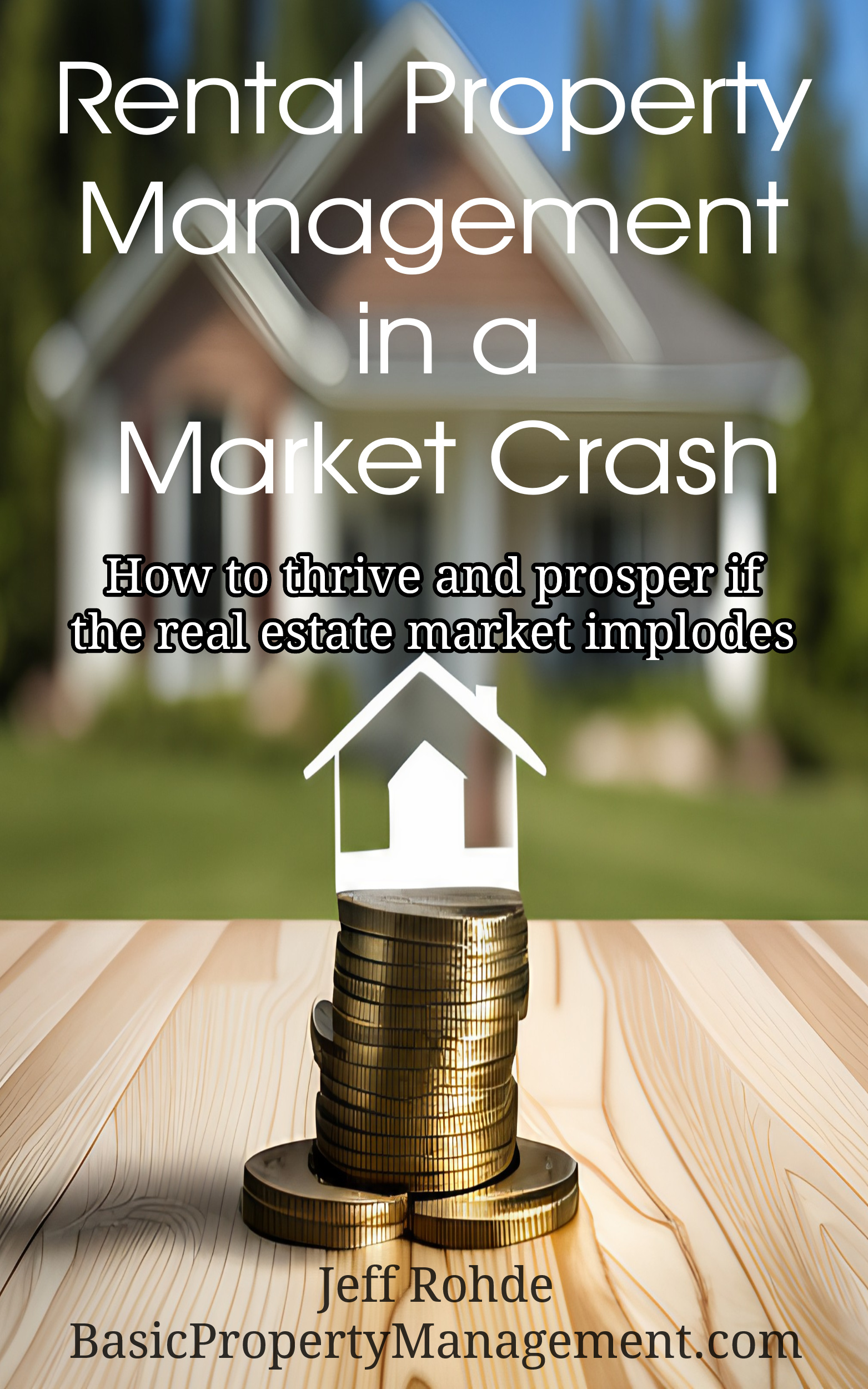
A practical operating framework for managing rental property during market downturns.
This book addresses leasing, expense control, tenant retention, and communication when market conditions deteriorate and assumptions no longer hold.
THE PROPERTY MANAGEMENT GUIDE

A comprehensive reference covering the full property management lifecycle.
This guide brings together leasing, operations, maintenance, financial controls, and long-term strategy into an integrated framework for managing rentals as a business.