Uncategorized
Real Estate Escrow: A Step-by-Step Guide

Real estate escrow is a straightforward process that protects both buyers and sellers during property transactions. Escrow is a financial arrangement where a neutral third party holds funds or assets on behalf of two parties involved in a real estate deal until all conditions are met. When you buy or sell a home, an escrow…
Read MoreHow a Good Faith Deposit in Real Estate Works

When you buy a house, you will likely encounter the term “good faith deposit” during negotiations with sellers. A good faith deposit, also known as earnest money, is a financial pledge that demonstrates your serious commitment to purchasing a property and signals to sellers that you are a genuine buyer rather than someone casually browsing…
Read MoreEffective Rent vs. Asking Rent: Know the Difference

When evaluating rental properties or comparing lease offers, the monthly rent listed in advertisements does not reflect the full financial picture. Effective rent is the average monthly rent paid or received over the entire lease term after accounting for concessions, incentives, and free rent periods. This calculation shows the true cost of renting and the…
Read MoreProtect Yourself with Contingency Clauses in Real Estate

In real estate transactions, contingency clauses in contracts serve as critical protections for buyers and sellers. These contractual conditions must be met within specific timeframes for the sale to proceed, providing legal safeguards and negotiation leverage. Contingency clauses allow parties to exit a real estate contract without financial penalty if certain conditions aren’t satisfied, such…
Read MoreA Guide to Understanding CRE Loan Spreads

Commercial real estate loan spreads represent the difference between the interest rate charged on CRE loans and a benchmark rate, typically Treasury securities or LIBOR. These spreads serve as a critical pricing mechanism that reflects perceived risk, market conditions, and lender competition in commercial real estate financing. CRE loan spreads have widened significantly in recent…
Read MoreThe Ins and Outs of Earnest Money in Real Estate

When making an offer on a property, buyers submit earnest money to show serious intent to purchase, usually ranging from 1% to 5% of the purchase price. Earnest money is a deposit that signals commitment to a transaction and provides financial assurance to sellers. This good faith deposit in real estate transactions demonstrates that buyers…
Read MoreHot Returns: Cold Storage Property Investing Guide

Cold storage property investing means purchasing or developing temperature-controlled warehouses for perishable goods such as food and pharmaceuticals. These facilities require advanced refrigeration systems and serve as essential infrastructure for grocery stores, restaurants, and pharmaceutical companies. Cold storage investments offer attractive returns by combining stable cash flows from essential services with increasing demand from e-commerce…
Read MoreDown Payment in Real Estate: Key Facts for Buyers

Buying a home represents one of the largest financial decisions you’ll make, and understanding the down payment requirement is crucial for success. A down payment is cash you pay at closing to take ownership of a house, typically ranging from 3-20% of the purchase price. This upfront investment directly impacts your mortgage terms, monthly payments,…
Read MoreDon’t Be a Victim of Real Estate Appraisal Fraud

Real estate appraisal fraud occurs when parties deliberately misrepresent property values to inflate loan amounts or manipulate transactions. This practice poses a significant threat to the mortgage industry, with schemes growing more sophisticated and widespread across multiple states. Appraisal fraud creates systemic risks that can lead to loan defaults, lender losses, and market instability. Investigations…
Read MoreHUD Healthcare Lending Surge Creates New Opportunities

HUD healthcare lending offers long-term, low-cost capital for healthcare facility owners and developers. The Federal Housing Administration’s healthcare programs lower financing costs for hospitals, nursing homes, assisted living facilities, and other residential care properties through government-backed loan insurance. HUD lending for healthcare properties reached $10.42 billion through the first nine months of fiscal year 2025,…
Read MoreDo Build-to-Rent Properties Generate Higher ROI?
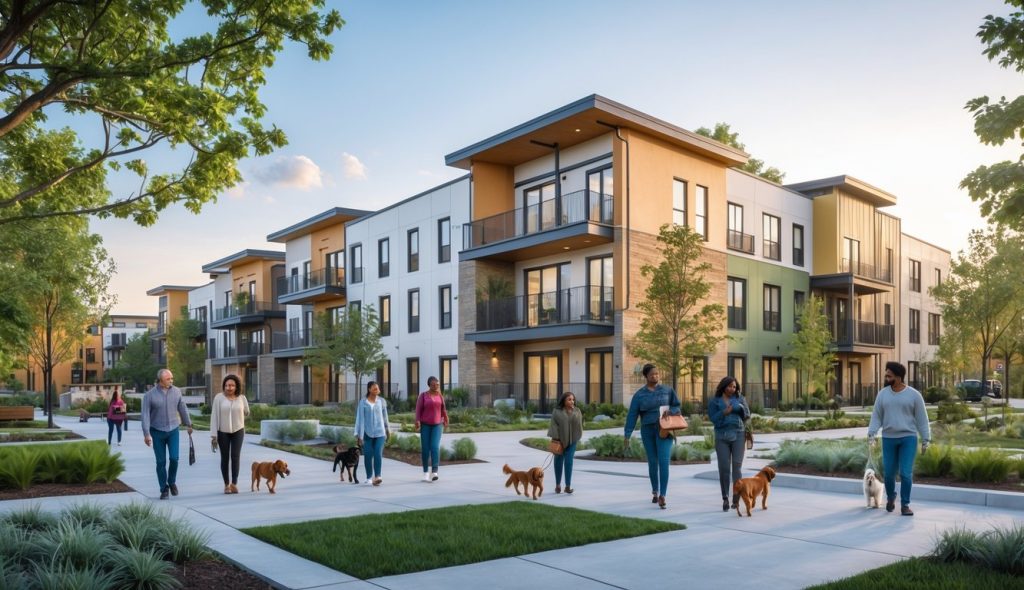
Build-to-rent properties represent a growing segment of the real estate market where residential communities are constructed specifically for rental rather than sale. These developments typically feature single-family homes, townhomes, or duplexes within professionally managed communities that offer modern amenities and services similar to traditional apartment complexes. Build-to-rent communities have experienced significant growth, with nationwide home…
Read More