Property Analysis
Complete Foreclosure Due Diligence Process Guide

Buying foreclosed properties can offer significant investment opportunities, but the process requires thorough investigation to avoid costly mistakes. A comprehensive foreclosure due diligence process allows investors to identify potential risks, verify property conditions, and secure clean title transfers before committing capital to distressed properties. Without proper research, you risk inheriting unpaid liens, structural problems, or…
Read MoreNeed Property Inspection Software? Start Here

Real estate investors require accurate property records and efficient inspection processes to protect and maximize asset performance. Property inspection software automates the process of conducting physical property inspections through digital checklists, photo documentation, and automated report generation. This technology streamlines manual inspections into digital workflows. Modern property inspection software replaces paper-based systems while providing documentation…
Read MoreProperty Insurance Premium: What Impacts Your Rates?
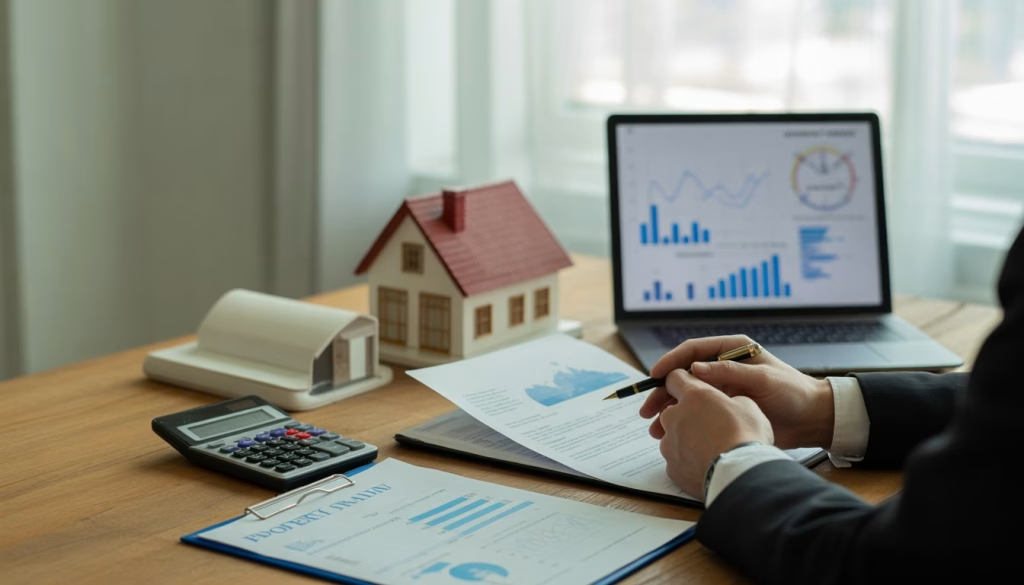
A property insurance premium is the amount you pay to your insurance company to maintain coverage for your home, business, or other real estate assets. This recurring payment keeps your policy active and provides financial protection against damage, theft, and liability claims that could otherwise cost thousands of dollars out of pocket. The national average…
Read MoreEssential Foreclosure Property Inspection Checklist

Foreclosure property inspections provide real estate professionals and investors with essential information about a property’s condition before acquisition. Always engage a qualified inspector for foreclosure properties, as these homes often have deferred maintenance, structural problems, or hidden damage that could significantly impact your investment returns. Foreclosed homes often sell below market value, presenting a prime…
Read MoreForeclosure Renovation Costs: What to Expect and Budget For
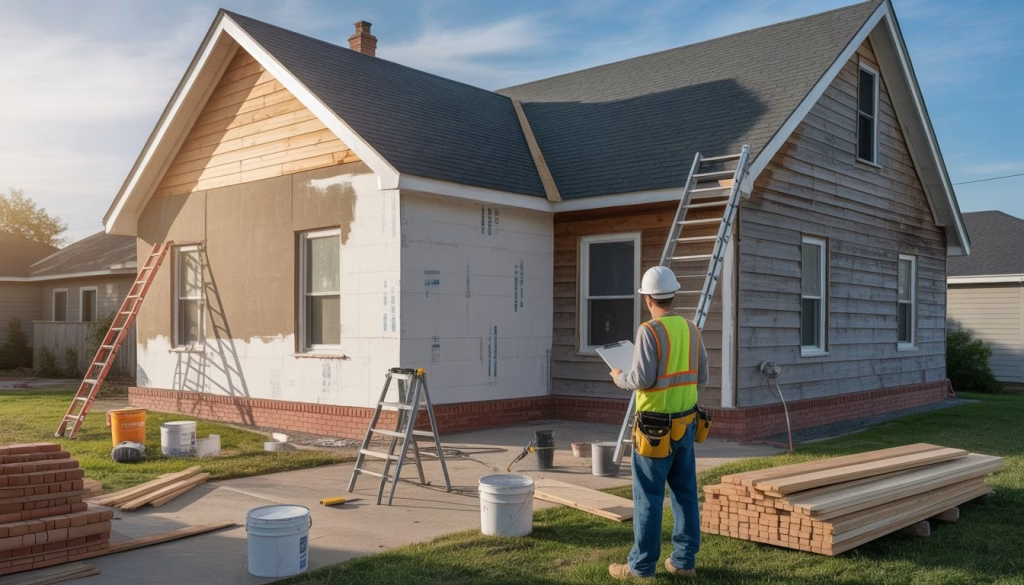
Renovating a foreclosed property can generate strong returns, but you need to understand the true costs upfront to ensure profitability. Foreclosure renovation costs typically range from $15,000 to $100,000, with whole home renovations costing $15 to $60 per square foot depending on the extent of work required. These properties often require substantial repairs due to…
Read MoreReal Estate Equity: Key Concepts, Investment Methods & Value

Real estate equity represents the portion of a property you actually own after subtracting any outstanding mortgage debt from its current market value. Real estate equity is calculated as the difference between your property’s market value and your outstanding mortgage balance, representing your true ownership stake in the property. This financial concept forms the foundation…
Read MoreBuying From Distressed Home Sellers: Risks and Rewards

Buying from distressed home sellers offers real estate professionals the opportunity to acquire properties below market value. Sellers in these situations face urgent issues such as foreclosure, financial hardship, or inherited properties they cannot maintain, which creates favorable scenarios for buyers who are prepared. To purchase from distressed sellers, understand their motivations, secure cash or…
Read MoreESG Commercial Real Estate: Maximizing Value and Sustainability

The commercial real estate industry is undergoing a major transformation as Environmental, Social, and Governance (ESG) principles become central to investment decisions and property management strategies. ESG in commercial real estate covers environmental sustainability measures, social impact considerations, and governance practices that create measurable value through reduced operating costs, improved tenant satisfaction, and higher asset…
Read MoreCap Rate Calculation: Essential Guide for Real Estate Investors

Real estate investors use cap rate calculation to evaluate rental property investments and compare opportunities across different markets. The cap rate calculation divides a property’s net operating income by its current market value to determine your annual return on investment as a percentage. This metric helps you decide which properties may be worth your investment.…
Read MoreWhy As-Is Condition Properties Scare Most Investors
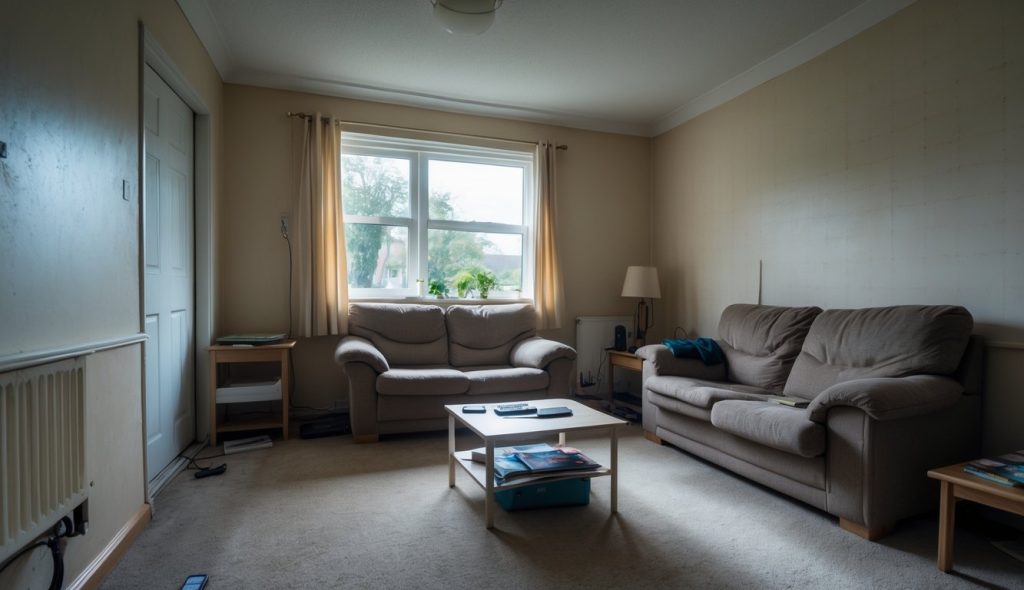
Most real estate investors avoid as-is properties like the plague, because of uncertainty about hidden costs, extensive repairs, and the risks of buying a property without seller warranties or guarantees. This fear often leads them to overlook deals that could offer strong returns. When a property is sold “as-is,” the seller offers it in its…
Read MoreWhat Affects Rental Property Performance Most?
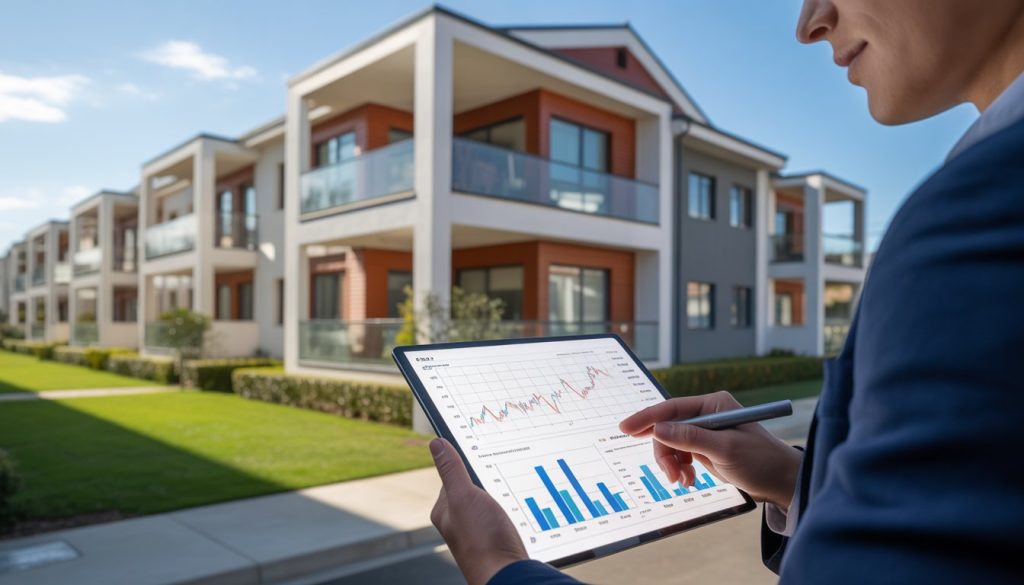
Rental property performance depends on several critical factors that directly impact your investment returns and long-term wealth building. Location, property condition, market demand, and your management approach are the primary drivers that determine whether your rental property generates strong cash flow or becomes a financial burden. Knowing these performance factors helps you make smart choices…
Read More