Landlords
How First Right of Refusal in Real Estate Works

A right of first refusal in real estate gives an investor or buyer the legal right to purchase a property before the owner can sell it to anyone else. This contractual agreement activates when the property owner decides to sell, requiring them to offer the opportunity to match any legitimate third-party offer before completing the…
Read MoreYour Guide to Financing a Foreclosure Purchase

Buying a foreclosed home can offer significant savings, but securing financing requires preparation and a clear understanding of your options. If a foreclosed property is in decent condition and you have a strong credit history, financing can work like a traditional home purchase. The key is to identify which loan products best suit foreclosure purchases…
Read MoreWhat Is Real Estate Eviction by Landlord Process?

Real estate eviction is a complex legal process that landlords must handle when tenant relationships break down. Whether you face non-payment of rent, lease violations, or property damage, understanding the proper legal framework protects your investment and ensures compliance with housing laws. Landlords must follow specific legal procedures including proper notice requirements, court filings, and…
Read MoreUsing the BRRRR Method with Foreclosures for Your Portfolio
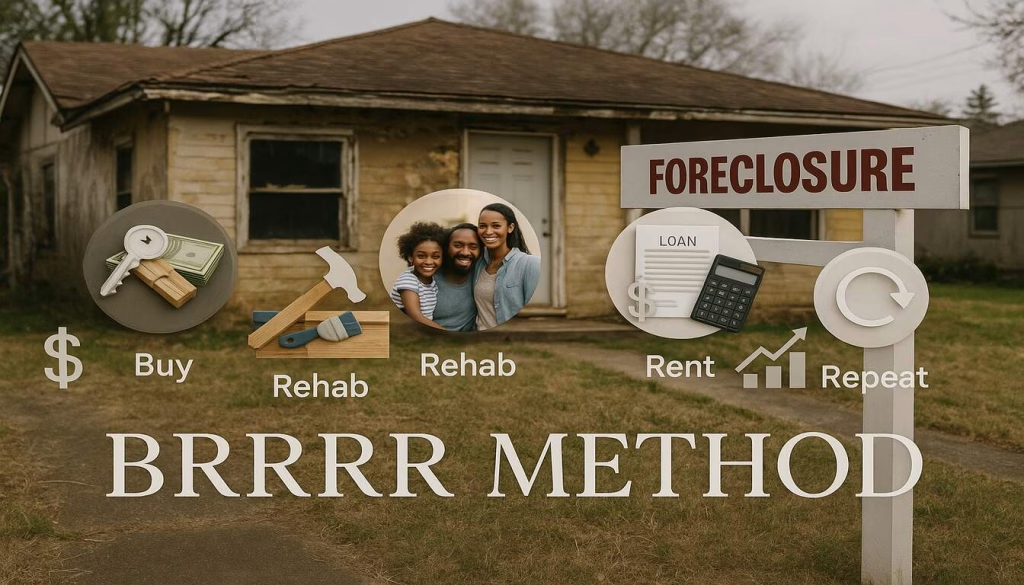
Real estate investors are always looking for new ways to build their portfolios. The BRRRR method is a popular strategy for acquiring and growing a rental portfolio. When combined with purchasing foreclosed properties, it can be a powerful combination. This article will explore how to use the BRRRR method with foreclosures. We will cover the…
Read MoreUnderstanding Rent Stabilization A Guide for Landlords

Rent stabilization is a system of laws that limits how much a landlord can increase rent. Its primary goal is to keep housing affordable for tenants. These regulations provide a measure of predictability for renters. It is important to distinguish rent stabilization from rent control. Rent control is typically a stricter set of regulations that…
Read MoreIs The Retail Real Estate Recovery Here to Stay?

The retail commercial real estate sector shows a selective recovery in 2025, with transaction volumes down 14.2% year-over-year despite strong pricing momentum. Retail property prices have surged 18.5% annually, reaching $141 per square foot, indicating that while fewer properties are trading, investor confidence in quality retail assets is returning. This divergence between volume and pricing…
Read MoreWhy an Estoppel Certificate in Real Estate Matters

An estoppel certificate is a legally binding document that confirms the current terms and status of a lease agreement between a tenant and landlord. This document plays a critical role in commercial real estate transactions, providing essential verification for buyers, lenders, and other parties who need accurate information about existing lease arrangements. The certificate prevents…
Read MoreRent Abatement in Real Estate: What Landlords Should Know

When a rental property becomes uninhabitable due to fire, flooding, or other disasters, tenants should not pay full rent for unusable space. Rent abatement is a lease provision that allows tenants to suspend rent payments or pay only a portion until landlords complete necessary repairs to restore the property to livable conditions. This measure applies…
Read MoreEffective Rent vs. Asking Rent: Know the Difference

When evaluating rental properties or comparing lease offers, the monthly rent listed in advertisements does not reflect the full financial picture. Effective rent is the average monthly rent paid or received over the entire lease term after accounting for concessions, incentives, and free rent periods. This calculation shows the true cost of renting and the…
Read MoreHot Returns: Cold Storage Property Investing Guide
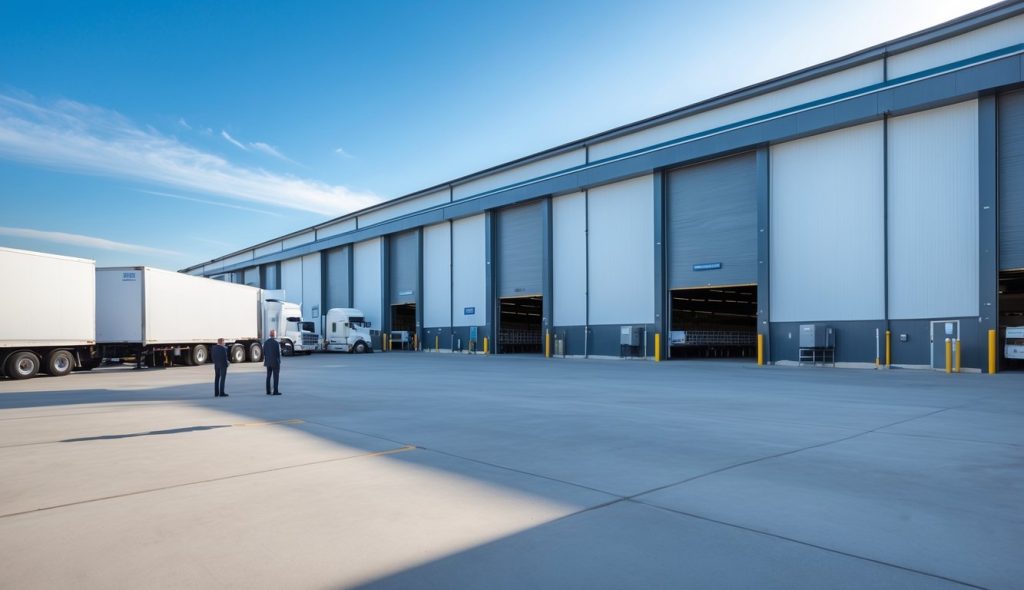
Cold storage property investing means purchasing or developing temperature-controlled warehouses for perishable goods such as food and pharmaceuticals. These facilities require advanced refrigeration systems and serve as essential infrastructure for grocery stores, restaurants, and pharmaceutical companies. Cold storage investments offer attractive returns by combining stable cash flows from essential services with increasing demand from e-commerce…
Read MoreDo Build-to-Rent Properties Generate Higher ROI?
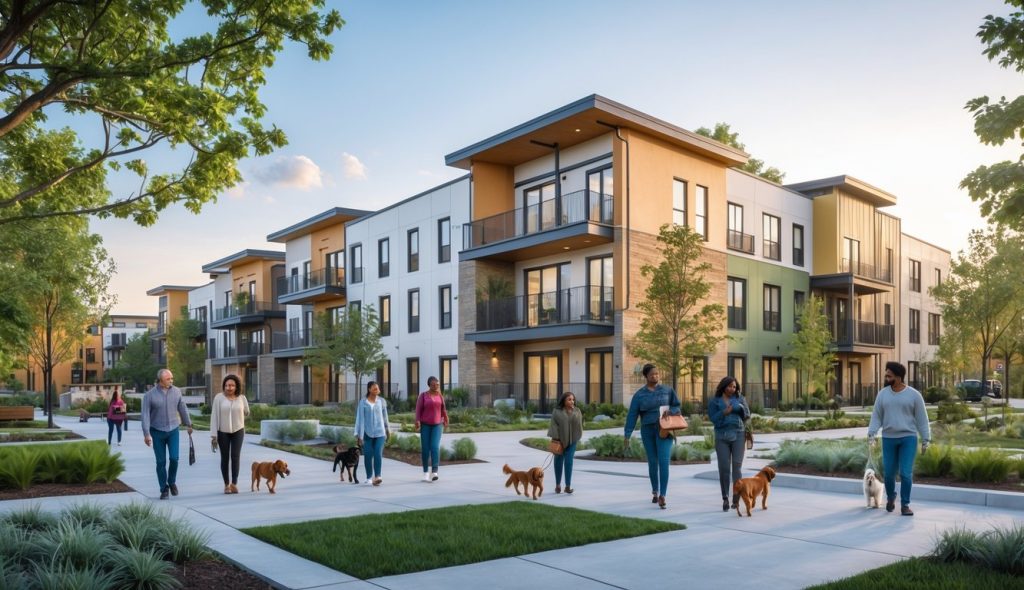
Build-to-rent properties represent a growing segment of the real estate market where residential communities are constructed specifically for rental rather than sale. These developments typically feature single-family homes, townhomes, or duplexes within professionally managed communities that offer modern amenities and services similar to traditional apartment complexes. Build-to-rent communities have experienced significant growth, with nationwide home…
Read More