How to Remotely Manage Real Estate
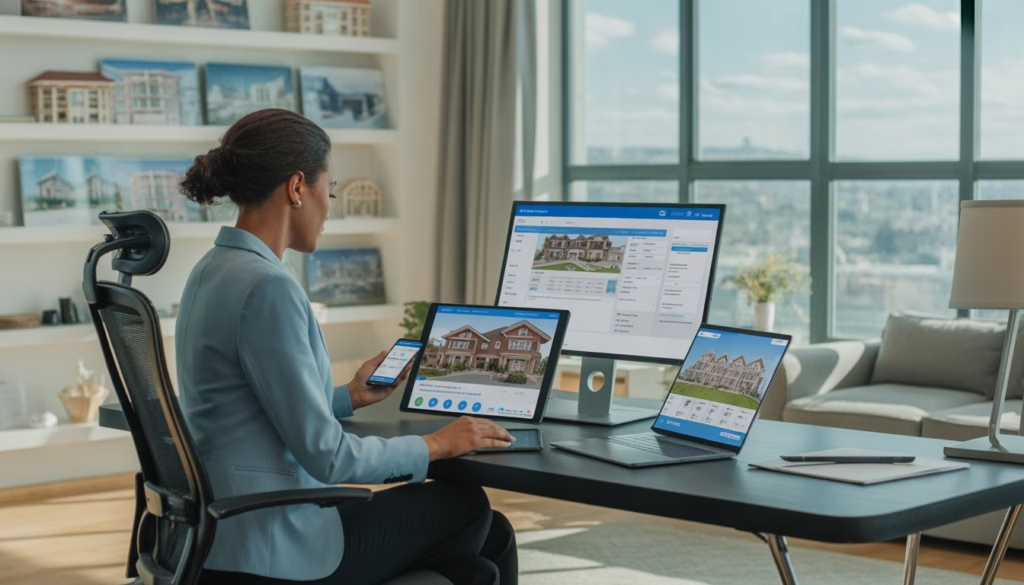
Owning rental properties in different cities or states can expand your investment portfolio, but managing assets from afar requires effective systems to maintain property standards and tenant satisfaction.
To manage rental properties remotely, build a reliable local team, automate routine tasks with technology, and establish clear communication channels with tenants and service providers. Managing property remotely requires an integrated approach that enables your portfolio to operate smoothly regardless of your location.
Combine digital tools with trusted local representatives to handle emergencies and inspections. From tenant screening solutions to automated rent collection, modern technology minimizes the impact of distance on property operations.
Key Takeaways
- Build a local team of trusted professionals to address day-to-day property needs when you cannot be on-site
- Leverage technology platforms to automate rent collection, maintenance requests, and financial tracking
- Maintain regular communication with tenants and schedule periodic property visits to protect your investment
Core Strategies to Remotely Manage Real Estate
Remote property management requires reliable local support, robust digital systems for oversight, and streamlined processes for tenant selection and lease execution. These pillars help you maintain control of your real estate investments from any location.
Building a Trusted Local Property Management Team
Identify a local property manager or management company with strong references and a proven track record with remote investors. Interview multiple candidates, verify licensing, insurance coverage, and prior experience managing similar assets.
If a full-service property management company does not fit your budget, assemble a local team that covers essential roles: a reliable handyperson for routine repairs, licensed contractors for specialized work, and a real estate attorney for legal compliance. Assign a local representative to schedule visits, conduct inspections, and respond to emergencies within 24 hours.
Set clear communication protocols with your team. Define response times, reporting frequency, and decision-making authority. Clarify which tasks require your approval and which your local manager can handle independently. Use regular video calls and photo documentation to maintain oversight.
Leveraging Property Management Software for Remote Oversight
Property management software centralizes operations and enables remote management through cloud-based platforms. Solutions such as Buildium, AppFolio, Yardi, Avail, and Rentec Direct provide tools for tracking rent collection, maintenance requests, and financial reporting.
Monitor rent payments in real-time, automate late payment reminders, and generate portfolio-wide financial reports. Store lease agreements, tenant communications, and digital records accessible from any device. Integrate these systems with accounting software to streamline tax preparation and expense tracking.
Choose platforms with tenant portals for maintenance requests, online rent payments, and document access. This reduces your involvement in routine management and improves tenant satisfaction. Mobile apps allow you to approve work orders, communicate with your team, and review inspection reports while away.
Tenant Screening and Digital Leasing Processes
Use dedicated tenant screening platforms like SmartMove or integrated software tools to run comprehensive background checks, credit reports, and eviction history searches. Verify employment and landlord references through documented communications.
Digital document signing tools facilitate lease execution without in-person meetings. Choose software with built-in digital signing for lease terms, addendums, and move-in checklists. Include clauses in your leases that address inspections, maintenance responsibilities, and communication protocols suitable for remote management.
Create standardized application processes that comply with fair housing laws. Your local manager or agent can conduct property showings and answer applicant questions, but retain control over final tenant selection. Document your screening criteria to ensure consistent application and mitigate discrimination risk.
Remote Maintenance, Communication, and Financial Management
Automating Maintenance Requests and Repairs
Implement a digital system that allows tenants to submit maintenance requests via a portal or mobile app. This process documents all issues and eliminates miscommunication.
Develop a network of trusted contractors for common needs:
- Plumbers for leaks and drainage
- HVAC technicians for climate control
- Electricians for electrical issues
- Pest control for infestations
- Landscapers for exterior upkeep
Schedule seasonal inspections and routine servicing for major systems. Use security cameras and smart locks to monitor properties and provide access to contractors as needed.
Establish vendor accounts with local service providers who offer emergency response. Pre-approved contractors reduce response times and help maintain tenant satisfaction.
Online Rent Collection and Financial Oversight
Adopt digital payment systems to collect rent and reduce delays. Automated platforms send reminders and process payments on scheduled dates to stabilize income.
Track these financial metrics to assess property performance:
| Metric | What It Measures |
|---|---|
| Cash flow | Monthly income minus expenses |
| Vacancy rate | Percentage of time units sit empty |
| ROI | Total return compared to investment cost |
Use rental property financial software and cloud tools to automate bookkeeping, categorize expenses, generate reports, and prepare tax documentation. These systems track maintenance costs, improvements, and operating expenses that affect your taxable income.
Partner with a tax advisor experienced in rental property deductions to maximize returns and maintain regulatory compliance.
Effective Tenant Communication and Satisfaction
Strong tenant communication reduces misunderstandings and builds trust that decreases tenant turnover. Establish multiple communication platforms so tenants can reach you through their preferred method, whether email, text, or a dedicated app.
Respond to tenant communications within 24 hours, even if only to acknowledge receipt and provide a timeline for resolution. Quick responses show you value their concerns and take property maintenance seriously.
Use video conferencing for virtual property showings and lease signings. Virtual tours and 3D models allow prospective renters to view properties remotely, expanding your applicant pool beyond the local area.
A tenant portal centralizes all interactions. Tenants can pay rent, submit maintenance requests, review lease documents, and receive property updates in one location. This transparency improves tenant satisfaction by giving them control over routine tasks without waiting for your response.
Send quarterly surveys to gather feedback on tenant experience and identify potential issues before they escalate into move-out decisions.
Looking for Deeply Discounted Properties Others Don’t Know About?
Don’t miss out on the next great investment opportunity! Search millions of foreclosure listings and get daily alerts for new properties in your target market.