REAL ESTATE
FUNDAMENTALS
FOR PROS.
The premier educational platform for investors, property managers, and landlords.
No fluff, just facts.
LATEST INSIGHTS
-
Landlord vendor management is one of the most underrated parts of owning rental property. A good vendor can protect your property, keep tenants satisfied, and prevent small repairs from becoming…
-
Rental property inspection frequency is not one-size-fits-all. Some properties may need only a few scheduled inspections each year. Others may need closer oversight because of age, tenant history, maintenance problems,…
-
A lease termination letter is one of the most important written notices a landlord may need to send during the rental relationship. It documents that the lease is ending, explains…
-
A rental property lease renewal strategy should not be a last-minute decision made a few days before the lease expires. It should be a planned review of rent, tenant performance,…
-
A rental property maintenance budget should do more than cover the occasional repair call. It should help you plan for routine wear, seasonal service, tenant turnover, and larger capital expenses…
-
Property management reporting for owners should do more than summarize last month’s activity. A good monthly report helps you understand whether tenant screening is being done properly, rent is being…
-
Finding the right tenant is one of the most important decisions a landlord makes. A strong tenant can pay rent on time, care for the property, communicate professionally, and stay…









LEARN ABOUT REAL ESTATE
Curated content tailored specifically to your interest in the real estate industry.
HOW TO FIND & KEEP GREAT TENANTS
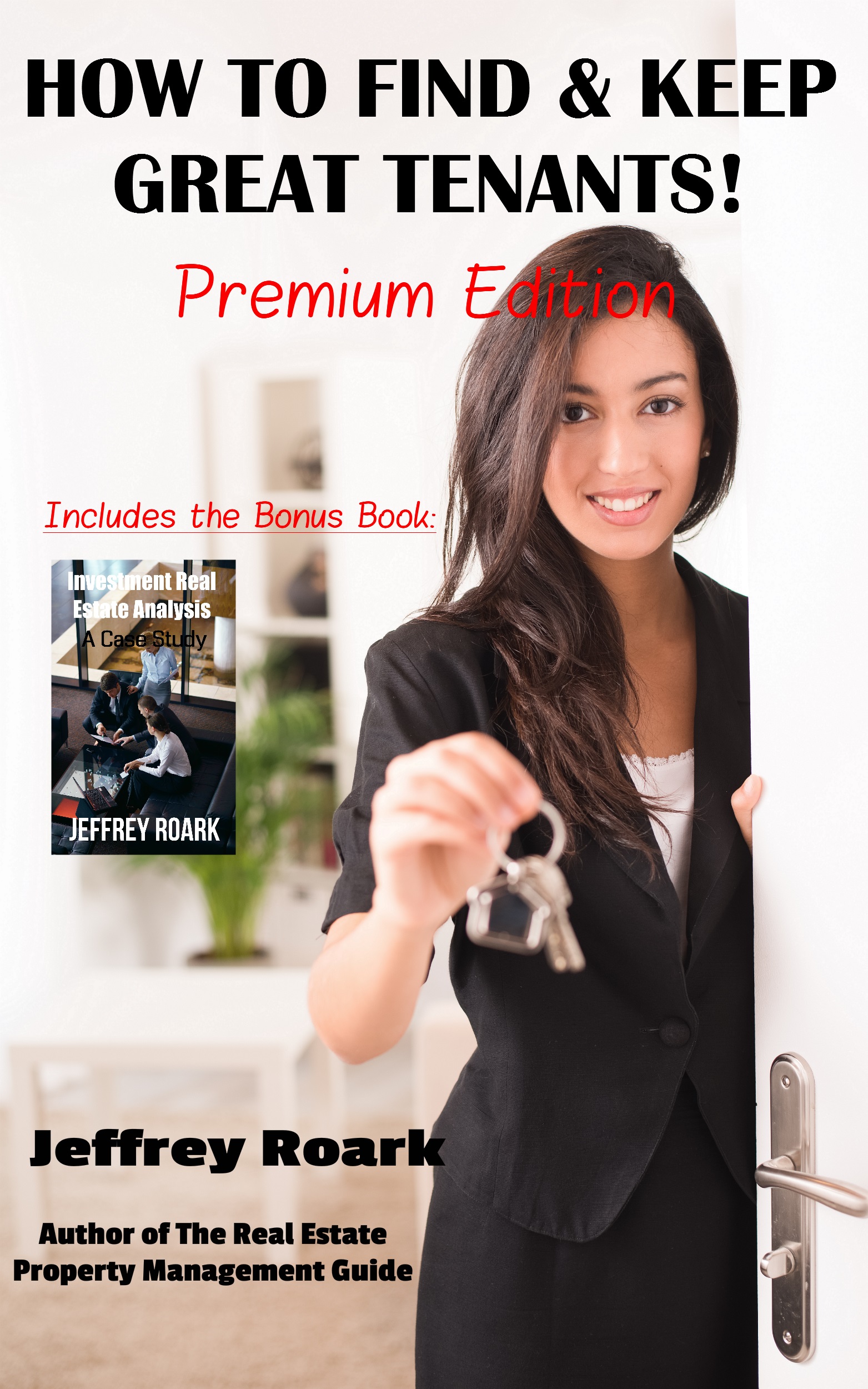
A practical guide to tenant marketing, screening, leasing structure, eviction prevention, and long-term stability.
This book focuses on attracting better tenants, the leasing process, and reducing costly mistakes that lead to turnover, vacancy, and operational headaches.
INVESTMENT REAL ESTATE ANALYSIS

A detailed case study showing how experienced professionals evaluate real estate investments.
This book walks through a complete, real-world analysis. You'll learn how data, market context, and disciplined assumptions shape investment outcomes.
ACHIEVING SUCCESS AS A PM
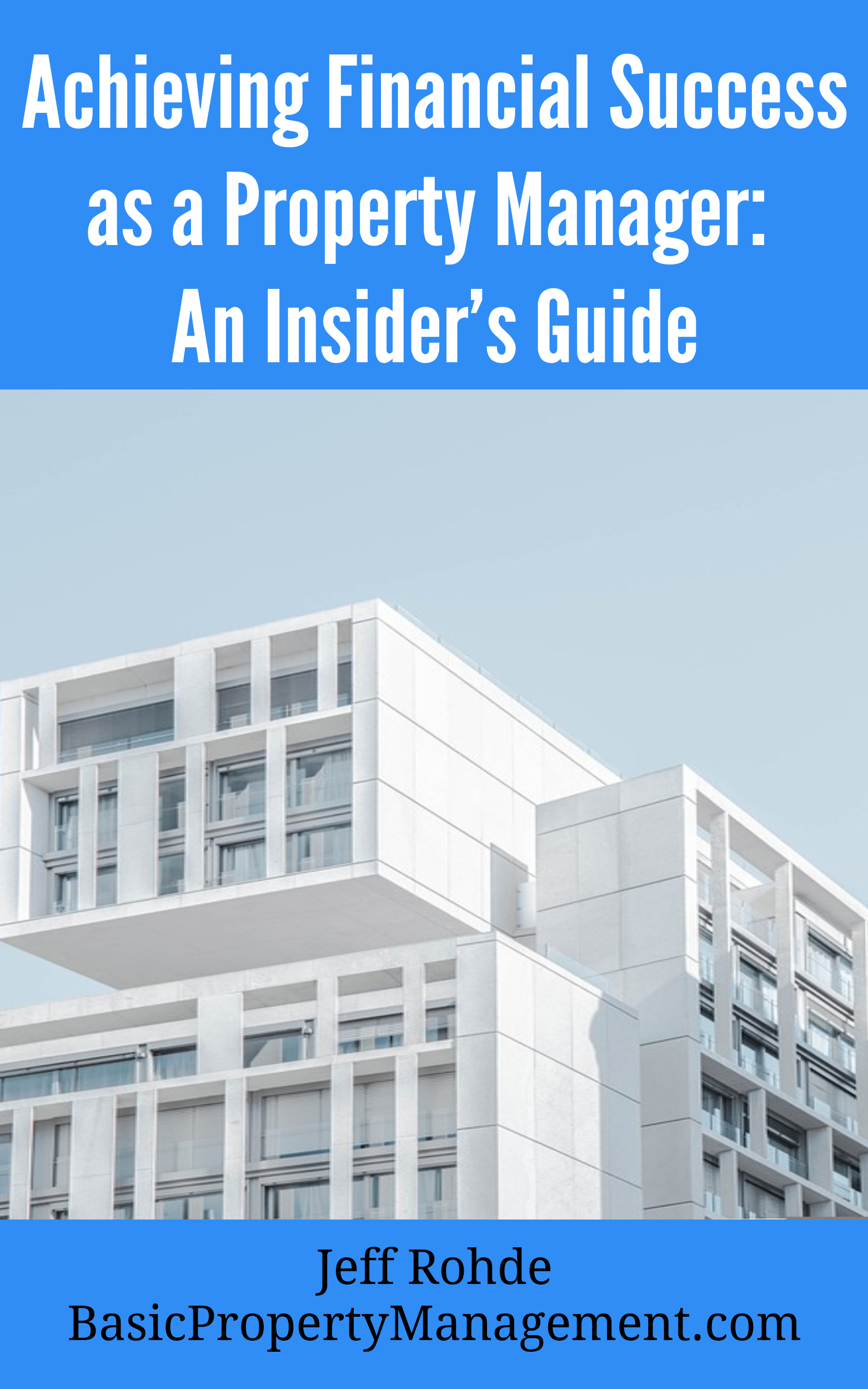
An experience-based guide to building a sustainable, financially sound property management business.
This book examines fee structures, services, client selection, and revenue strategy. Learn how property management actually works.
MANAGEMENT IN A MARKET CRASH
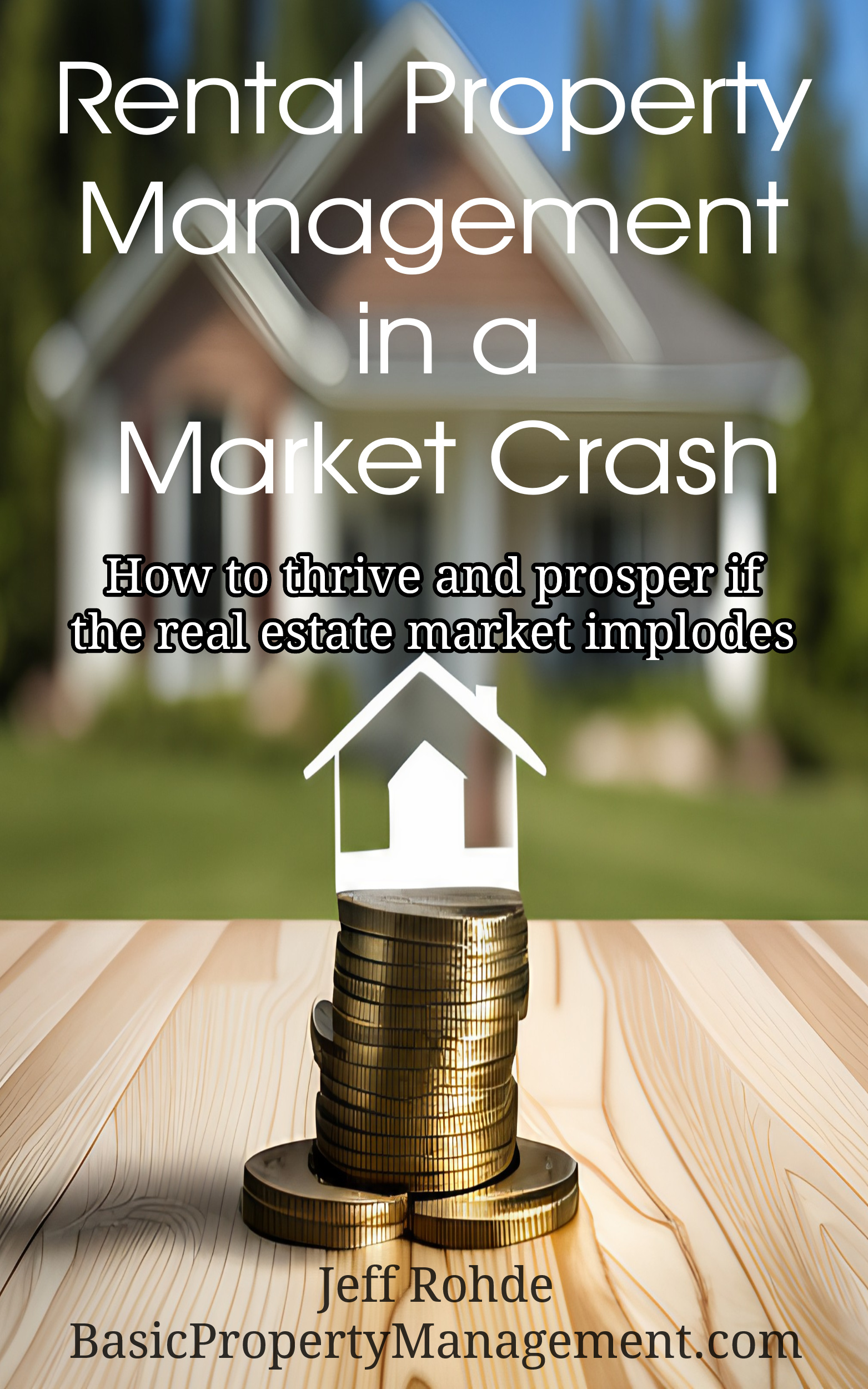
A practical operating framework for managing rental property during market downturns.
This book addresses leasing, expense control, tenant retention, and communication when market conditions deteriorate and assumptions no longer hold.
THE PROPERTY MANAGEMENT GUIDE
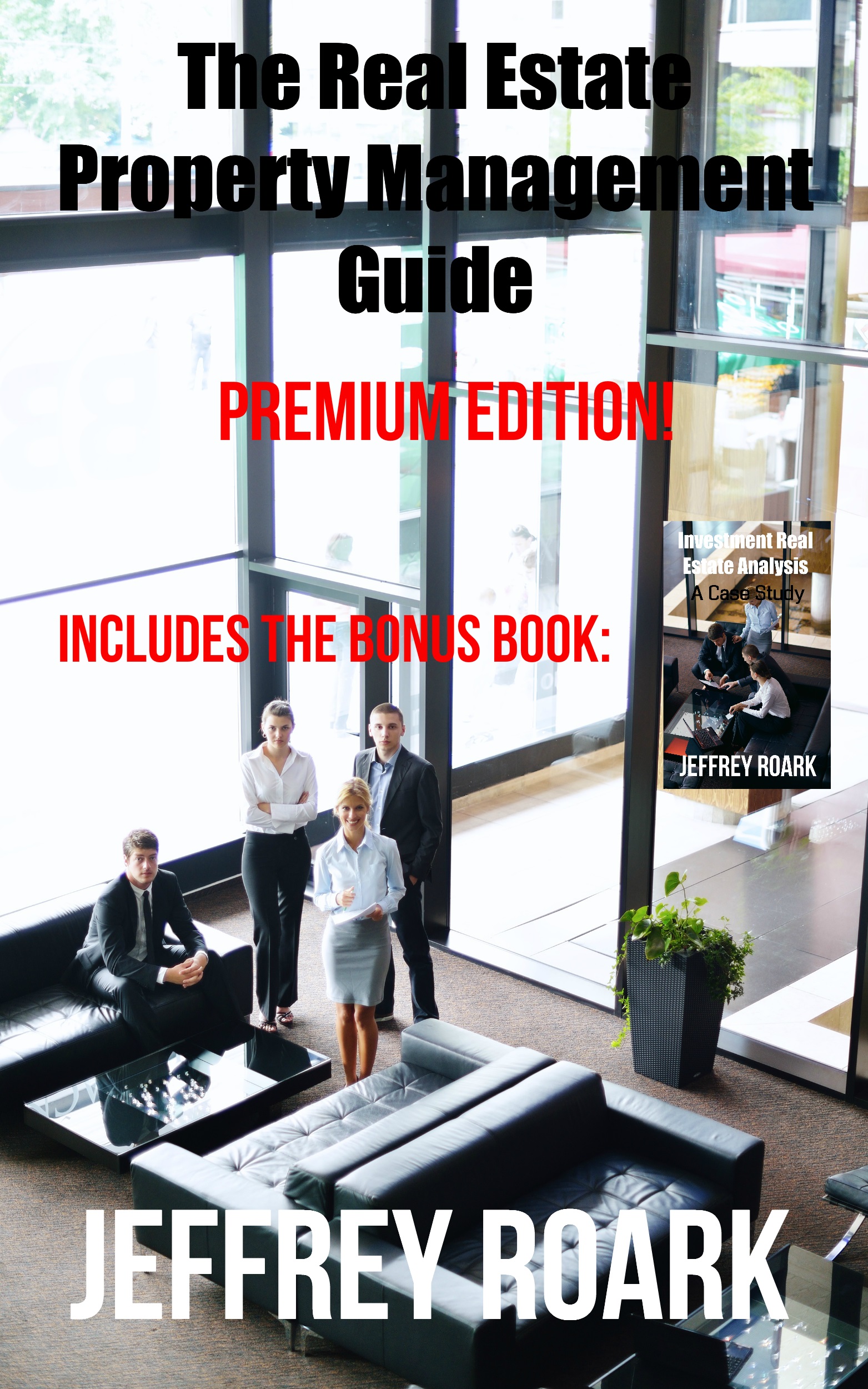
A comprehensive reference covering the full property management lifecycle.
This guide brings together leasing, operations, maintenance, financial controls, and long-term strategy into an integrated framework for managing rentals as a business.