Posts Tagged ‘Residential Investors’
Do Build-to-Rent Properties Generate Higher ROI?
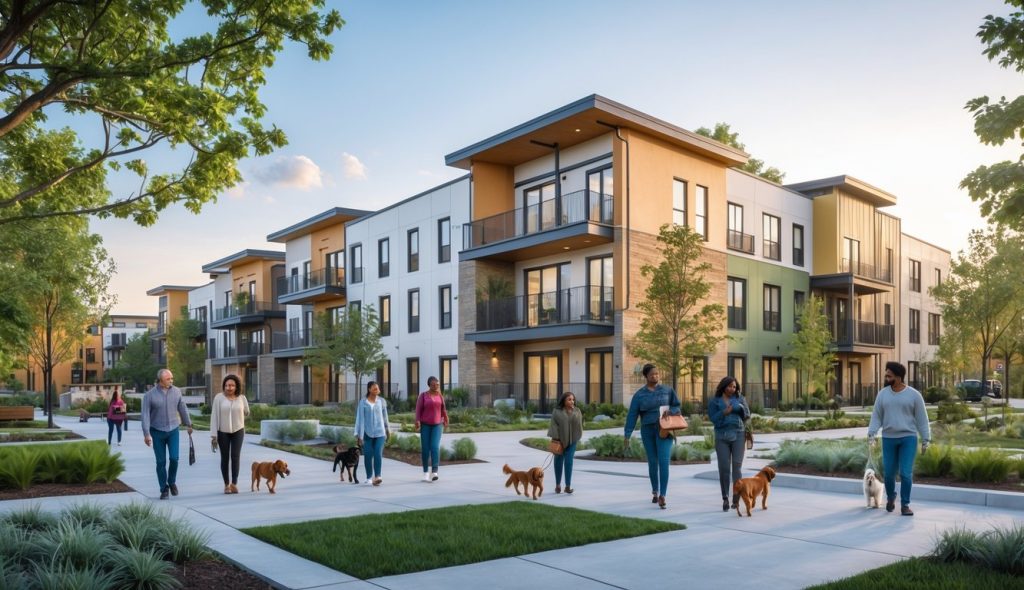
Build-to-rent properties represent a growing segment of the real estate market where residential communities are constructed specifically for rental rather than sale. These developments typically feature single-family homes, townhomes, or duplexes within professionally managed communities that offer modern amenities and services similar to traditional apartment complexes. Build-to-rent communities have experienced significant growth, with nationwide home…
Read MoreHow to Do a Comparative Market Analysis Like a Pro

A comparative market analysis estimates a home’s value by comparing it to similar properties that have recently sold in the same area. Real estate agents use this analytical tool to help sellers price their homes competitively and guide buyers in making offers based on market data. The CMA process involves gathering detailed property data, selecting…
Read MoreWhat’s Driving the SFR Market 2025 Growth?

The single-family rental market is transforming in 2025 due to persistent housing shortages, shifting renter preferences, and new institutional investment strategies. The SFR market shows improved performance in 2025, with robust deliveries across SFR and build-to-rent sectors creating new opportunities for investors and developers. With 57% of single-family investors expecting mortgage rates above 6.5% over…
Read MoreBuying From Distressed Home Sellers: Risks and Rewards

Buying from distressed home sellers offers real estate professionals the opportunity to acquire properties below market value. Sellers in these situations face urgent issues such as foreclosure, financial hardship, or inherited properties they cannot maintain, which creates favorable scenarios for buyers who are prepared. To purchase from distressed sellers, understand their motivations, secure cash or…
Read MoreSingle Family Rental Investment: Strategies and Opportunities

Single family rental investment offers real estate professionals a practical path to building wealth, combining passive income with property appreciation. Compared to commercial real estate or large apartment complexes, single family rentals provide a more manageable entry point for investors seeking portfolio diversification. Single family rental homes are expected to appreciate 2.5% annually according to…
Read MoreWhat Is Debt Service in Investment Real Estate?

Debt service is the cash you need to cover both principal and interest payments on your investment property loans over a set period. This concept directly affects your property’s cash flow, profitability, and overall investment success. Knowing how debt service works helps you make smart financing choices and keep your real estate investments profitable. The…
Read MoreHow To Invest in Crowdfunded Real Estate

Real estate investing has traditionally required substantial capital and market knowledge, keeping many potential investors on the sidelines. Crowdfunded real estate lets you invest in commercial and residential properties with as little as $10 to $1,000, opening up previously exclusive investment opportunities through online platforms. These real estate crowdfunding platforms pool money from multiple investors…
Read MoreTariff Impact Real Estate on Housing Market and Prices

Tariffs ripple through the real estate market by raising construction material costs and making homes less affordable. Trump’s tariffs targeting more than 65 countries have already started to affect homebuilders and buyers across the United States. Import taxes on building materials push up construction costs, and builders pass these increases to homebuyers through higher purchase…
Read MoreGreen Real Estate 2025: Trends, Financing, and Market Dynamics

Green real estate has grown from a niche market segment to a major force shaping the property industry in 2025. Sustainable properties now command premium prices while offering lower operational costs, enhanced resilience, and superior long-term investment returns compared to traditional buildings. This change shows how developers, investors, and consumers now approach real estate decisions…
Read MoreIs Sustainable Building Investment Worth It?

Sustainable building investment means developing, acquiring, or upgrading properties with features that lower energy use, water consumption, and carbon emissions. As climate concerns grow and regulations increase, real estate investors now evaluate whether green building strategies offer strong returns. Properties with green credentials attract more tenants and achieve higher rental premiums worldwide, making sustainability important…
Read MoreWhen Should Landlords Offer Cash-for-Keys Deals?

If you face problematic tenants, lengthy eviction processes, or need to regain possession of your property quickly, you might weigh expensive legal options against faster alternatives. Cash-for-keys is a financial incentive strategy where you pay tenants to voluntarily vacate your property in exchange for turning over the keys, often saving both time and money compared…
Read More