Posts Tagged ‘Property Managers’
How to Leverage a Virtual Assistant for Real Estate Investing

Managing properties and growing your real estate portfolio comes with daily challenges and time-consuming tasks. Hiring a virtual assistant for real estate investing can help you handle essential administrative work, streamline operations, and free up your valuable time to focus on acquiring and managing profitable properties. With skilled support handling everything from tenant communications to…
Read MoreSmart Home Solutions for Real Estate Investors: Boosting ROI

If you’re searching for practical ways to grow your real estate portfolio’s value, smart home technology is quickly shifting from a luxury to a must-have for investors who want to stay ahead. Adding smart home solutions to your properties can boost your returns, lower operational costs, and attract tenants who’ll pay a premium for convenience.…
Read MoreThe Truth About Real Estate in a Financial Reset

The financial world is shifting, and real estate is at the center of this transformation. In a financial reset, real estate values adjust in response to changing economic forces, and understanding these shifts can help you protect or grow your portfolio. You might be wondering if a reset is on the horizon for 2025, and…
Read MoreCreating and Using a Real Estate Appraisal Template

Real estate appraisals play a vital role in property investment decisions, lending processes, and portfolio management. A real estate appraisal template is a standardized document that helps you systematically evaluate properties, ensuring consistent and professional valuation reports that meet industry standards and regulatory requirements. Professional appraisers use specific forms designed for different property types, from…
Read MoreHow to Handle Tenant Lease Termination: A Landlord’s Guide

Managing tenant lease terminations requires careful attention to legal requirements and proper documentation. When ending a residential lease agreement, landlords must follow specific procedures to protect their interests and maintain compliance with state laws. A lease termination must include proper written notice, typically through a formal termination letter that specifies the intended end date and…
Read MoreBlocksquare Real Estate Tokenization: $1B US Property Deal

Real estate investing is transforming through blockchain technology, bringing unprecedented access to premium commercial properties. Blocksquare and Vera Capital have partnered to tokenize $1 billion worth of US real estate assets, creating new opportunities for you to own fractional shares in high-value properties. The partnership launched with the successful tokenization of a $5.4 million commercial…
Read MoreCommercial Real Estate Credit Spreads Widen Amid Tariffs

Credit spreads in commercial real estate lending are experiencing significant shifts in 2025, impacting your borrowing costs and investment decisions. Commercial mortgage spreads declined 49 basis points compared to last year, showing volatility in lending markets. These fluctuations directly affect your ability to secure financing and determine the ultimate cost of your commercial property investments.…
Read MoreDistressed Office Sales: Smart Investing in a Changing Market

The commercial office market faces a significant transformation as distressed property sales reach 10.8% of total transactions. This shift creates unique opportunities for investors seeking value in a challenging market. Office building sales at discounted prices have jumped from 386 properties in 2023 to 600 properties in 2024, representing more than one-third of all office…
Read MoreReal Estate Easement 101: Essential Tips for Investors

When you own property, you might be surprised to learn that others may have certain legal rights to use parts of your land. This concept, known as an easement in real estate, plays a crucial role in property ownership and neighboring relationships. An easement grants specific access or usage rights to another person or entity…
Read MoreAre Bonded Warehouses the Next Big Investment Trend?

A bonded warehouse represents a specialized type of commercial real estate where imported goods can be stored without immediate payment of duties. These secure facilities serve as critical infrastructure in international trade, creating unique opportunities for property investors. Real estate investors who target bonded warehouses can tap into a growing market segment that commands premium…
Read MoreRental Market Growth: Investment Strategies for 2025
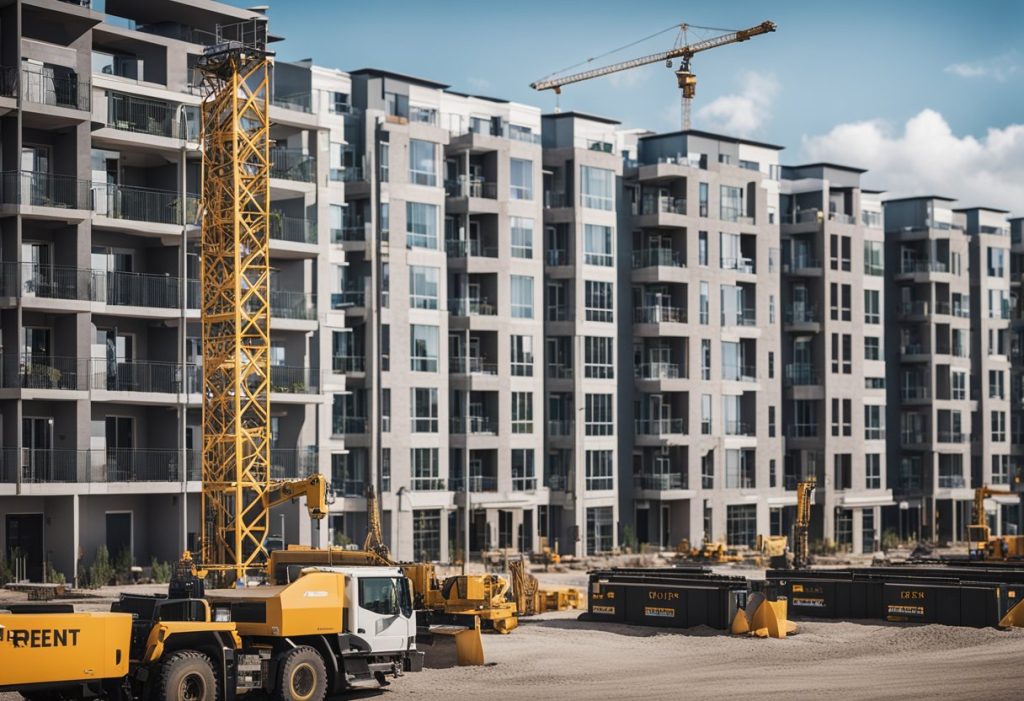
The rental market continues to evolve in 2025, shaped by shifting demographics and economic conditions. Rental prices have climbed 34.7% since pre-pandemic levels, creating both challenges for tenants and opportunities for investors in this dynamic landscape. The North American rental market is projected to grow at a more moderate pace of 3.6% through 2025, offering…
Read More