Property Analysis
Why Multifamily Investment 2025 Will Surprise You

The multifamily investment market in 2025 has surprised many experts. While most investors expected continued market struggles due to high interest rates and economic uncertainty, multifamily properties show resilience with rising rents, better occupancy rates, and renewed investor confidence in select markets. Your investment decisions this year will likely face a market that looks very…
Read MoreTop Tips for Effective Blockchain-Powered Property Management

Property management has traditionally relied on paper-based systems and manual processes that create inefficiencies, delays, and security vulnerabilities. Blockchain-powered property management transforms these operations by automating lease payments, securing property records, and enabling transparent transactions through smart contracts and decentralized data storage. Property management systems based on blockchain can streamline every step of the process…
Read MoreWhy Investors Love Buy-and-Hold Real Estate

Buy-and-hold real estate is one of the most popular investment strategies for building long-term wealth, attracting everyone from first-time investors to seasoned professionals. This strategy means you purchase rental properties and keep them for years to generate steady monthly income and benefit from property appreciation. Unlike house flipping or other short-term methods, buy-and-hold investing focuses…
Read MoreAI Infrastructure Investment: Trends, Strategies, and Key Players

Artificial intelligence infrastructure investment is one of the fastest-growing sectors in commercial real estate, with companies pouring unprecedented amounts of capital into data centers, power facilities, and specialized computing infrastructure. Major investments like Trump’s announced $500 billion private sector AI infrastructure initiative and Meta’s $65 billion spending plan show the massive scale of opportunity for…
Read MoreData Center Real Estate: Key Trends, Investment Insights

Data center real estate stands out as a top investment opportunity in commercial real estate, fueled by soaring demand for digital infrastructure and artificial intelligence. The global data center market will likely grow from 60 gigawatts of capacity today to 170-220 gigawatts by the end of the decade, more than tripling according to McKinsey’s proprietary…
Read MoreUse Restrictions in Real Estate: How Zoning Impacts Your Property
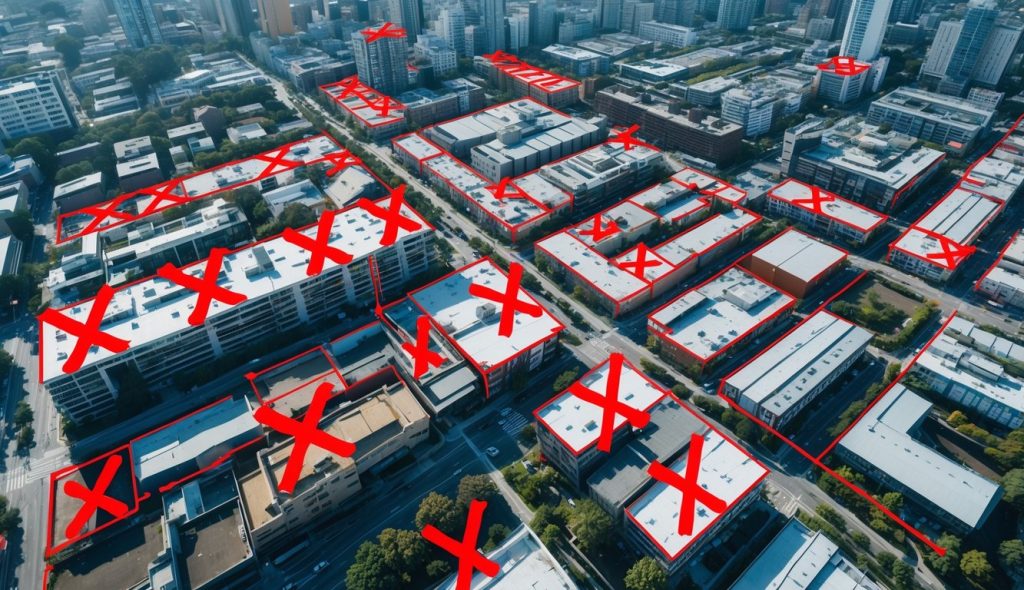
When you’re buying or leasing real estate, it’s important to know how zoning laws and other use restrictions will impact your property plans to avoid costly surprises. Use restrictions are legal limitations that dictate how you can and cannot use your property, ranging from zoning ordinances that designate residential, commercial, or industrial uses to private…
Read MoreThe Ultimate Guide to CAGR in Real Estate Investing

Real estate investing success depends on your ability to measure investment performance accurately over time. The Compound Annual Growth Rate (CAGR) is a metric that annualizes the returns of an investment over a specific period, showing you the constant rate at which your property investment would have grown. CAGR provides a standardized way to compare…
Read MoreProperty Technology Trends Shaping Investment Real Estate

Property technology is changing how real estate investors and landlords manage their portfolios in 2025. AI-driven analytics platforms, smart building technologies, and blockchain solutions are making property management more efficient and opening up new revenue opportunities for investment properties. These digital tools help with everything from tenant screening to predictive maintenance, making operations smoother. Artificial…
Read MoreHow to Invest Smartly in Hybrid Work Real Estate Today

Hybrid work has changed commercial real estate investment opportunities, bringing both challenges and new prospects for investors. Office space demand fell by 41% for companies requiring only one day per week in-office, while properties serving businesses with 4-5 day requirements grew by 1%, according to research on hybrid work’s commercial real estate impact. This shift…
Read MoreWhat Does Time on Market Really Mean for Investors?

When you evaluate investment properties, one metric consistently appears across every listing: time on market. This number shows how long a property has been actively listed for sale, but its importance for your investment decisions goes much deeper than you might expect. Time on market shapes your negotiating power, reveals market conditions, and can signal…
Read MoreWhy Real Estate Due Diligence Can Make or Break Your Next Deal

Real estate investing success depends on one critical factor that separates good deals from costly mistakes. Due diligence is the process that lets you evaluate a property’s true condition, financial performance, and legal compliance before you buy. This careful review can reveal hidden problems that could cost thousands or uncover opportunities to boost your return…
Read More