Maintenance & Repairs
How To Use Predictive Maintenance Data in Property Management

Property management has historically operated on two primary maintenance models. The first is reactive maintenance—waiting for something to break and then rushing to fix it. The second is preventive maintenance—scheduling routine service based on a calendar, regardless of whether the equipment actually needs it. Both models have significant flaws. Reactive maintenance leads to expensive emergency…
Read MoreProperty Management Cost Control Strategies

Operating costs are climbing. Insurance premiums rise year after year. Maintenance expenses keep growing. Labor costs increase. Vendor fees seem to multiply. For property managers and landlords, the pressure to control costs while maintaining property quality has never been more intense. The challenge is real: operating costs are projected to rise 3.8% to 5.9% annually…
Read MoreHow to Remotely Manage Real Estate

Owning rental properties in different cities or states can expand your investment portfolio, but managing assets from afar requires effective systems to maintain property standards and tenant satisfaction. To manage rental properties remotely, build a reliable local team, automate routine tasks with technology, and establish clear communication channels with tenants and service providers. Managing property…
Read MoreSmart Building Technology Secrets Big Firms Use

Smart buildings revolutionize how structures operate by integrating Internet of Things sensors, artificial intelligence, and automation systems to create self-regulating environments. Smart buildings are self-regulating, energy-efficient, and data-driven powerhouses that adapt to occupants’ needs in real time while optimizing energy consumption and operational costs. These intelligent structures go far beyond basic automation by converging various…
Read MoreWhat Is Fix-and-Flip Real Estate Investing?

Fix-and-flip real estate investing remains a popular strategy for generating quick profits in real estate. Fix-and-flip investing involves purchasing distressed properties at below-market prices, renovating them to increase their value, and selling them quickly for a profit. This approach attracts investors seeking substantial returns within a shorter timeframe compared to traditional buy-and-hold strategies. Television shows…
Read MoreForeclosure Renovation Costs: What to Expect and Budget For
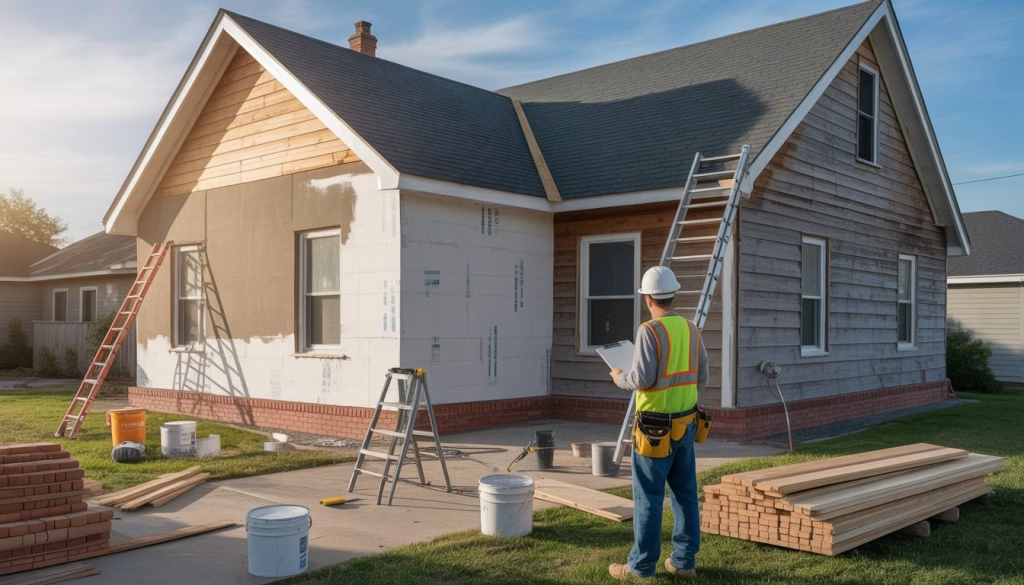
Renovating a foreclosed property can generate strong returns, but you need to understand the true costs upfront to ensure profitability. Foreclosure renovation costs typically range from $15,000 to $100,000, with whole home renovations costing $15 to $60 per square foot depending on the extent of work required. These properties often require substantial repairs due to…
Read MoreWhat is Common Area Maintenance in Commercial Real Estate?

When you lease commercial space, you’ll encounter Common Area Maintenance fees that can impact your total occupancy costs. CAM charges are fees that cover the costs of operating and maintaining shared spaces within a commercial property, such as lobbies, parking lots, elevators, and landscaped areas. These components of commercial real estate leases let landlords bill…
Read MoreWhy As-Is Condition Properties Scare Most Investors

Most real estate investors avoid as-is properties like the plague, because of uncertainty about hidden costs, extensive repairs, and the risks of buying a property without seller warranties or guarantees. This fear often leads them to overlook deals that could offer strong returns. When a property is sold “as-is,” the seller offers it in its…
Read MoreWhat Affects Rental Property Performance Most?
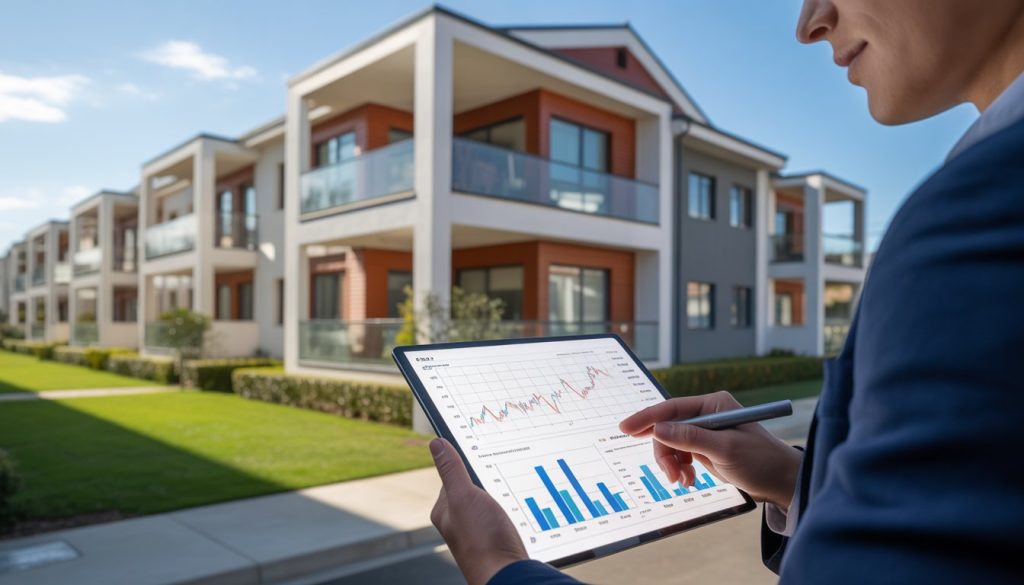
Rental property performance depends on several critical factors that directly impact your investment returns and long-term wealth building. Location, property condition, market demand, and your management approach are the primary drivers that determine whether your rental property generates strong cash flow or becomes a financial burden. Knowing these performance factors helps you make smart choices…
Read MoreTop Tips for Effective Blockchain-Powered Property Management

Property management has traditionally relied on paper-based systems and manual processes that create inefficiencies, delays, and security vulnerabilities. Blockchain-powered property management transforms these operations by automating lease payments, securing property records, and enabling transparent transactions through smart contracts and decentralized data storage. Property management systems based on blockchain can streamline every step of the process…
Read MoreAvoid Risks with a Contingency Fund in Real Estate Investing

Real estate investing offers many opportunities for building wealth, but unexpected expenses can quickly disrupt even the best investment plans. Market downturns, emergency repairs, extended vacancies, and surprise legal costs can all affect your property’s cash flow and profitability. A contingency fund acts as your financial safety net, giving you cash reserves to handle surprises…
Read More