Foreclosure Renovation Costs: What to Expect and Budget For
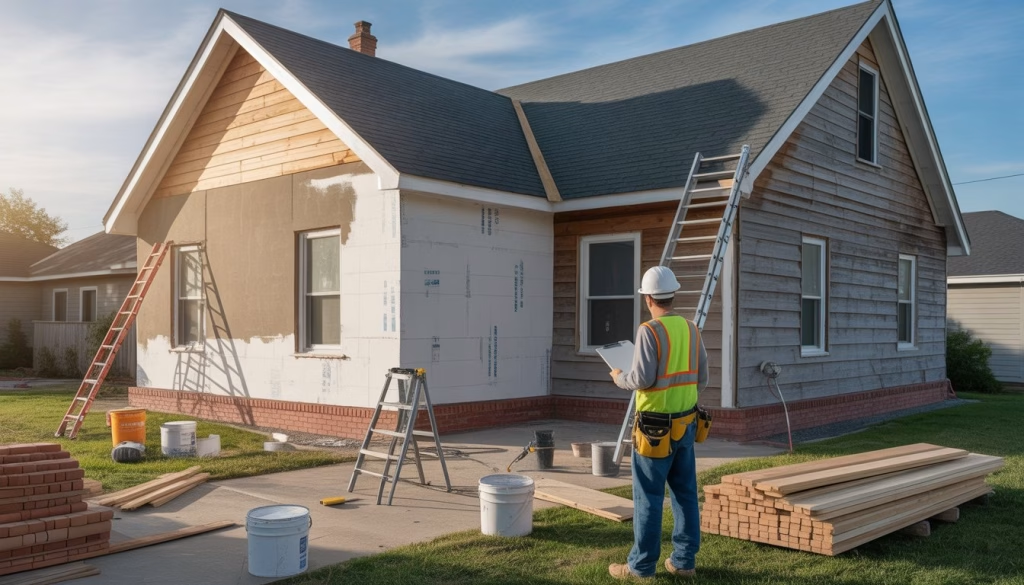
Renovating a foreclosed property can generate strong returns, but you need to understand the true costs upfront to ensure profitability. Foreclosure renovation costs typically range from $15,000 to $100,000, with whole home renovations costing $15 to $60 per square foot depending on the extent of work required. These properties often require substantial repairs due to…
Read MoreUsing the BRRRR Method with Foreclosures for Your Portfolio
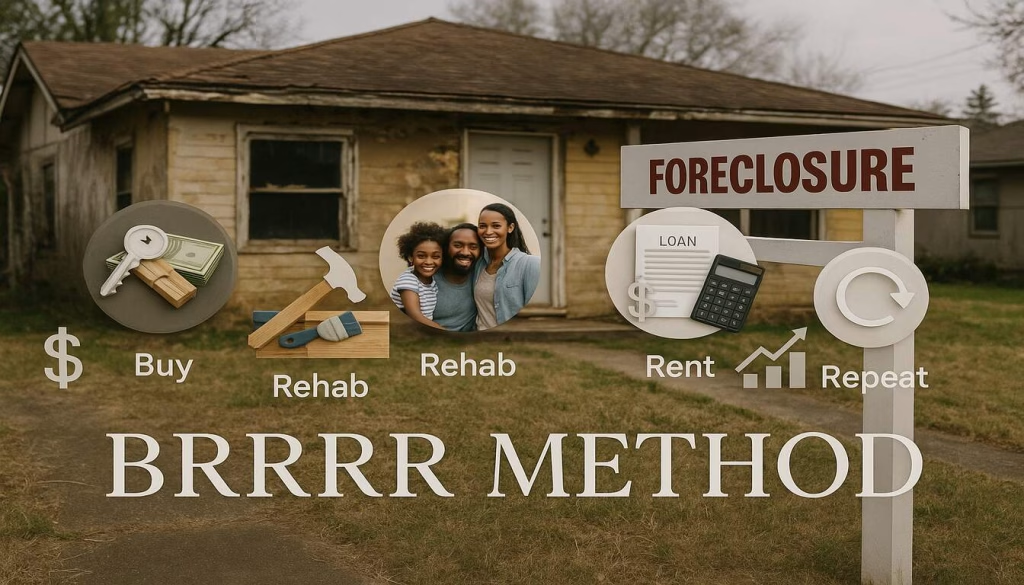
Real estate investors are always looking for new ways to build their portfolios. The BRRRR method is a popular strategy for acquiring and growing a rental portfolio. When combined with purchasing foreclosed properties, it can be a powerful combination. This article will explore how to use the BRRRR method with foreclosures. We will cover the…
Read MoreUnderstanding Rent Stabilization A Guide for Landlords

Rent stabilization is a system of laws that limits how much a landlord can increase rent. Its primary goal is to keep housing affordable for tenants. These regulations provide a measure of predictability for renters. It is important to distinguish rent stabilization from rent control. Rent control is typically a stricter set of regulations that…
Read MoreWholesaling Foreclosed Homes for Profit
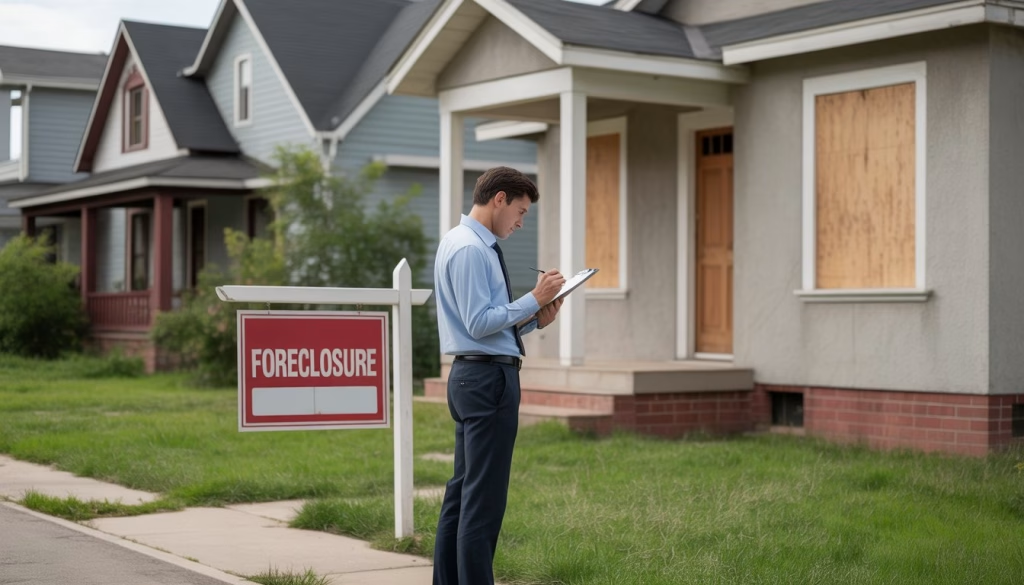
Foreclosed homes present unique opportunities for real estate investors seeking to build wealth through wholesaling. These distressed properties often sell at significant discounts, creating profit margins that traditional real estate transactions cannot match. Wholesaling foreclosed homes involves securing distressed properties under contract at below-market prices and assigning those contracts to cash buyers for a fee,…
Read MoreReal Estate Equity: Key Concepts, Investment Methods & Value

Real estate equity represents the portion of a property you actually own after subtracting any outstanding mortgage debt from its current market value. Real estate equity is calculated as the difference between your property’s market value and your outstanding mortgage balance, representing your true ownership stake in the property. This financial concept forms the foundation…
Read MoreA Beginner’s Guide to REO Properties Investing

Real Estate Owned (REO) properties are bank-owned properties that failed to sell at foreclosure auctions, creating unique investment opportunities for buyers seeking discounted assets. Lenders often offer these properties at significant discounts to quickly convert non-performing assets into cash. REO properties can offer substantial profit margins because they are frequently priced below market value, giving…
Read MoreIs The Retail Real Estate Recovery Here to Stay?

The retail commercial real estate sector shows a selective recovery in 2025, with transaction volumes down 14.2% year-over-year despite strong pricing momentum. Retail property prices have surged 18.5% annually, reaching $141 per square foot, indicating that while fewer properties are trading, investor confidence in quality retail assets is returning. This divergence between volume and pricing…
Read MoreHow to Qualify for VA Mortgages

VA mortgages offer qualifying veterans, service members, and surviving spouses a path to homeownership with significant financial advantages. These government-backed loans remove many traditional barriers that prevent military families from purchasing homes. VA home loans require no down payment and don’t require private mortgage insurance, making homeownership more accessible and affordable for those who served.…
Read MoreWhy an Estoppel Certificate in Real Estate Matters

An estoppel certificate is a legally binding document that confirms the current terms and status of a lease agreement between a tenant and landlord. This document plays a critical role in commercial real estate transactions, providing essential verification for buyers, lenders, and other parties who need accurate information about existing lease arrangements. The certificate prevents…
Read MoreRent Abatement in Real Estate: What Landlords Should Know

When a rental property becomes uninhabitable due to fire, flooding, or other disasters, tenants should not pay full rent for unusable space. Rent abatement is a lease provision that allows tenants to suspend rent payments or pay only a portion until landlords complete necessary repairs to restore the property to livable conditions. This measure applies…
Read MoreUnderstanding CRE Conduit Spreads

Commercial real estate conduit spread represents the difference between the yield on commercial mortgage-backed securities and a benchmark rate, typically Treasury bonds. This spread serves as a critical indicator of investor confidence and risk appetite in the commercial real estate financing market. Understanding these spreads helps investors and lenders gauge market conditions and pricing for…
Read More