How Private Wealth Embraces Institutional Tactics in CRE

Private investors are entering a new era in commercial real estate by adopting strategic methods that were once the domain of large institutions. You are now seeing private wealth adopting professional teams, advanced analytics, and data-driven decision-making to compete on the same level as institutional investors. This approach is changing the landscape, allowing private investors…
Read MoreReal Estate Risk Modeling: Best Practices for Investors

Real estate risk modeling is the discipline of using data-driven tools and techniques to assess, quantify, and manage the uncertainty in property investments. Whether you are working with commercial, residential, or mixed-use properties, understanding potential risks can help you make smarter investment decisions and avoid costly mistakes. By exploring effective strategies for evaluating risk, you…
Read MoreCommercial Real Estate Price Drops: What You Need to Know

Commercial real estate is facing new pressures in 2025, raising important questions for anyone invested in offices, retail, or industrial properties. Many properties across the U.S. are seeing prices fall, with recent data showing commercial real estate values have dropped by about 7% over the past year and by as much as 20% in the…
Read MoreWhat Sets Luxury Fitness Studio Investments Apart?

If you are exploring new opportunities in real estate, luxury fitness studios are standing out as unique investment prospects with specialized appeal. Luxury fitness studios differentiate themselves by offering exclusive amenities, high-end design, and personalized services that attract an affluent clientele willing to pay a premium for a superior experience. This rapidly growing sector combines…
Read MoreHotel Construction Pipeline Trends 2025: Key Markets for Investors

In Q1 2025, the U.S. hotel construction pipeline expanded by 5% in projects and 6% in rooms year-over-year, indicating continued momentum for new developments. Cities across the country are seeing significant activity, opening new possibilities for those keeping a close eye on market shifts. You’ll find that certain metropolitan areas are leading with unprecedented growth,…
Read MoreSingle-Family Home Investment Analysis: Secrets to Success

A successful single-family home investment starts with a solid analysis grounded in the right data and realistic assumptions. Understanding how to properly analyze a potential property gives you a crucial edge, maximizing your ability to find profitable opportunities and avoid costly mistakes. Focusing on straightforward numbers like cash flow, expenses, and local market trends is…
Read MoreCan You Really Benefit From a Lease Assignment?

Commercial leases can be complex, especially if your business needs change before your lease term ends. Whether you’re growing faster than expected, scaling back operations, or simply want to exit a space early, understanding your options is crucial. A lease assignment can allow you to transfer your current lease—and all its obligations—to another tenant, with…
Read MoreHow to Maximize Pre-Tax Cash Flow in Real Estate Investing
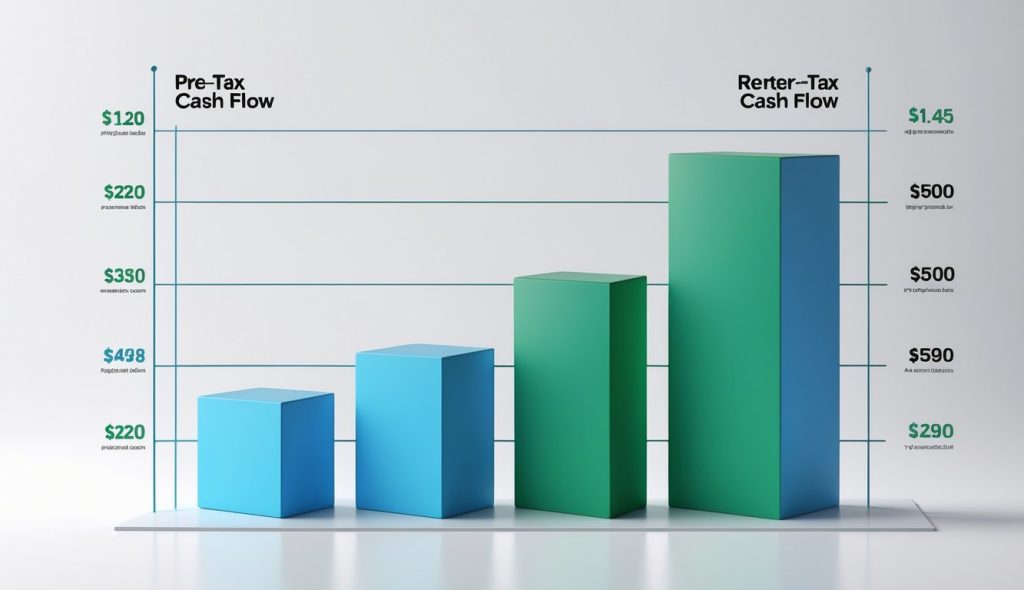
Understanding your property’s pre-tax cash flow can make the difference between a profitable investment and a financial pitfall. Pre-tax cash flow is the amount of money your investment generates after accounting for operating expenses and debt service, but before any taxes are paid. Knowing how to calculate and analyze this metric gives you a more…
Read MoreVirtual Property Management Assistant: A Landlord’s Secret Weapon

Managing rental properties involves a constant stream of tasks, from tenant communication to maintenance coordination. The demands on your time can be overwhelming and distract from growing your portfolio or improving profitability. Hiring a virtual property management assistant allows you to delegate routine work to a skilled professional, freeing you to focus on higher-value opportunities.…
Read MoreWill the US always be a renter nation?
Wednesday Wake-Up May 21 2025: Will the US always be a renter nation? One of the ways I relax in the evening after a long day’s work is by watching YouTube videos. But…not the ones with cute pets or music videos. I prefer to focus on continuing education. Which might seem an odd way of…
Read MoreThe Truth About Cash on Cash Return in Today’s Market

Understanding which numbers really matter is crucial when investing in real estate. Cash on cash return is a simple yet powerful way to measure the actual cash income you earn compared to the cash you invest in a property. Knowing how to use this metric can give you a clearer picture of a deal’s potential…
Read More