Real Estate Chart of Accounts: The Ultimate Guide

Whether you manage one rental or oversee multiple investment properties, a real estate chart of accounts is an essential tool for keeping your finances organized. A well-structured real estate chart of accounts gives you a clear picture of your income, expenses, assets, and liabilities, making it easier to track performance and make informed decisions. This…
Read MoreWhat Is an Installment Sale in Real Estate?

If you’re investing in property, understanding various sales methods is essential for maximizing returns and minimizing risk. An installment sale in real estate allows you, as the seller, to receive payments for a property over time, rather than receiving the full amount all at once. This method can offer flexibility for both buyers and sellers,…
Read MoreHow To Evaluate Properties for Long Term Rental Investment

Evaluating a property for long term rental investment requires a different approach than buying a primary residence and demands a clear focus on financial performance, risk, and long-term market potential. As an investor, your main goal is to find rental opportunities that generate steady income and appreciate in value over time. This process involves more…
Read MoreWhy Did My Failed 1031 Exchange Happen?

As a real estate investor, you know the benefits of a 1031 exchange: deferring capital gains taxes and reinvesting in like-kind property. But what happens if the process doesn’t go as planned? A failed 1031 exchange means you could miss out on tax deferral and face immediate reporting of your capital gains. Understanding why your…
Read MoreRental Markets: Current Trends and Forecasts for Summer 2025

The rental market in 2025 continues to evolve, presenting both challenges and opportunities for property owners across the United States. Current trends show regional shifts, with cooling markets in the Sunbelt and growing demand in Midwest locations, creating new investment possibilities for strategic landlords. Property owners need to understand these dynamic rental market conditions to…
Read MoreHow to Create a Solid Real Estate Operating Agreement

When you establish a real estate LLC, your operating agreement becomes one of your most crucial documents. This legally binding contract outlines how your real estate business will function, defining ownership percentages, member responsibilities, and decision-making processes. A well-written real estate operating agreement protects your personal assets from liability while establishing clear guidelines for managing…
Read MoreExcel for Real Estate: Secrets Every Investor Should Know

With the right Excel tools, you can streamline everything from evaluating deals to tracking expenses and forecasting returns. Whether you’re an experienced investor or a DIY owner, mastering these Excel techniques empowers you to make informed decisions and optimize your real estate portfolio. From custom spreadsheets for commissions and market analysis to free templates for…
Read MoreThe Ultimate Guide to Capital Expenses in Real Estate

Capital expenses in real estate are significant investments made to acquire, improve, or extend the life of your property—unlike daily operating costs. Knowing the difference between these types of expenses directly impacts your budgeting, property value, and profitability. Capital expenses are not recurring costs like property taxes or routine maintenance, but rather large, infrequent outlays…
Read MoreHow to Calculate Net Income in Real Estate

Understanding how to calculate net income in real estate is essential if you want to assess the true profitability of your property investments. Net income in real estate is the amount left after subtracting all operating expenses, including maintenance, property management, and taxes, from your total property revenue. Knowing this number helps you make informed…
Read MoreSBA Funding for Real Estate: A Step-by-Step Guide

SBA funding can help you purchase, renovate, or construct commercial properties with longer terms and lower down payments than most traditional loans. Understanding how SBA loans work for real estate gives you a competitive edge over buyers using conventional financing. Through programs like the SBA 7(a) and 504 loans, you gain access to flexible options…
Read MoreRent Comparables: Secrets Every Investor Should Know
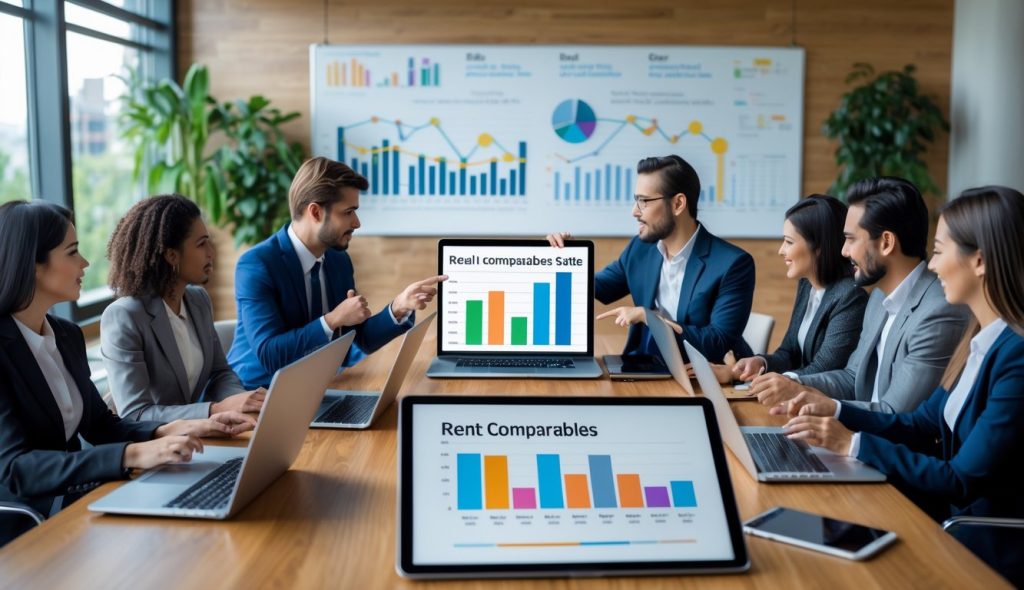
Understanding the true value of your rental property can make or break an investment strategy. Rent comparables are the cornerstone of pricing your rentals accurately and competitively. By properly using rent comps, you can avoid underpricing or overpricing, maximize cash flow, and attract reliable tenants. If you’re serious about growing a real estate portfolio, knowing…
Read More